Niseko powder ski spot guide: Terrain assessment is key
"The mountains offer a vast playground, but the true magic lies in understanding the terrain and the rules that keep the powder fresh and the skiers safe."
To select the best Niseko powder ski spot, you must balance terrain preference with strict adherence to local safety protocols.
This guide covers how to navigate the vast landscapes of Hokkaido, the importance of following avalanche prevention rules, and how to identify the ideal terrain for your skill level.
What defines a great Niseko powder ski spot?
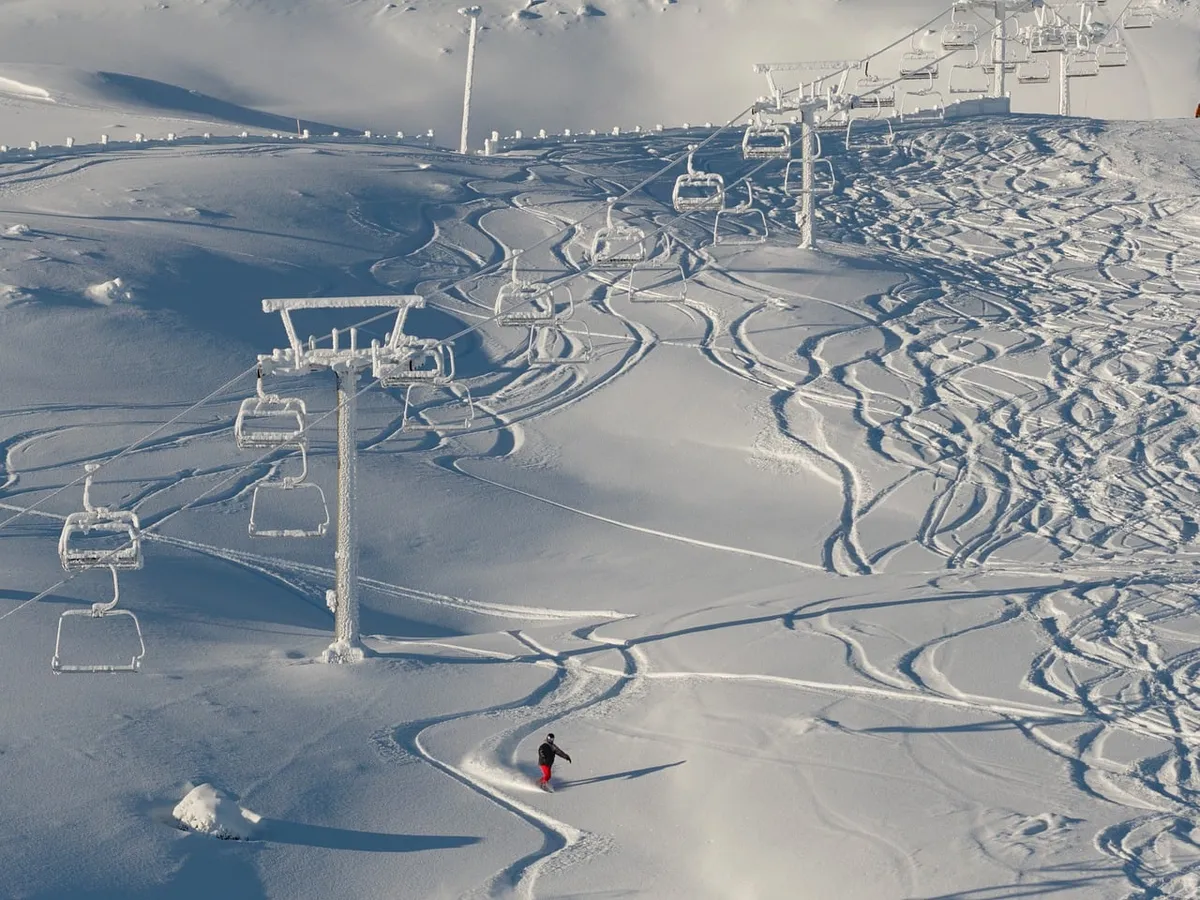
At dawn, I squint against the bright morning sun while scanning the vast niseko slopes for the perfect deep snow.
The morning sun hits the fresh snow, turning the slopes into a sea of white as skiers prepare for their first run. Choosing the right location requires understanding the scale of the island and the specific characteristics of the local mountain ranges.
Hokkaido is 83,423.84 km2 (32,210.12 mi2), making it the second-largest island of Japan. This massive scale ensures that various terrain types are available for different skiing styles.
Finding the perfect powder runs involves looking for slopes that catch the heavy, consistent snowfall characteristic of the region.
The vastness of the island means that different areas offer varying levels of tree cover and open bowls. A Niseko powder skiing guide would suggest that understanding these geographic differences is key to finding your preferred riding style.
A great spot typically features consistent deep snow coverage, manageable slope gradients, and access to varied terrain.
How can I navigate Niseko powder snow locations? Niseko powder ski spot guide

A skier stands at a junction, checking a map while the wind whistles through the pines. Navigating these areas requires more than just looking for deep snow; it requires a plan for movement and safety.
Effective Niseko powder snow locations are often found by moving between different lifts to find untouched tracks. Because the terrain can be expansive, knowing the layout of the mountain is essential for a seamless experience.
When looking for the best Niseko powder spots, riders often seek out specific aspects of the mountain that receive the most direct snowfall. This helps in finding the freshest conditions before the crowds arrive.
- Check the local weather forecast and recent snowfall totals.
- Identify the boundaries of the resort and off-piste areas.
- Consult with local guides regarding current snow stability.
Why are safety rules important when choosing Niseko ski areas?
The sound of a shovel hitting frozen ground echoes through the morning air as we prepare for our trek through the niseko backcountry.
The sound of a shovel hitting frozen ground echoes through the morning air as a group prepares for a trek. Safety is the most critical component of any successful powder run, especially in unpredictable mountain environments.

The rules are issued by the Niseko Annupuri District Avalanche Accident Prevention Committee (ニセコアンヌプリ地区なだれ事故防止対策協議会), whose secretariat is located in the commerce and tourism division of Niseko Town. Following these guidelines is mandatory for anyone venturing into the backcountry.
Understanding the local regulations helps prevent accidents in high-risk zones. Proper terrain selection must always prioritize the safety protocols established by local authorities to ensure a sustainable skiing environment.
In this sequence, the second step is the most critical for survival.
How do I find the perfect powder runs?
A rider leans forward, eyes fixed on a pristine slope that has never been touched by a ski tip. Finding these runs requires timing, patience, and a deep understanding of the local mountain's rhythm.
To begin your search, follow these steps:
- Monitor local weather and snow accumulation reports daily to identify fresh fall. 2. 3. Check the terrain to ensure it matches your ability level before committing to a deep powder run.
I remember checking the morning reports before heading out to ensure the snow was stable enough for the planned route. Always perform a final check of the local advisories before leaving the base area.
Look for north-facing aspects that preserve snow quality and avoid heavily tracked-out trails.
What are the limitations of choosing a specific spot?

The shadows grow long across the valley as the sun begins to set behind the peaks. Even with the best planning, certain factors can limit your ability to access the best powder.
A primary limitation is the unpredictable nature of snow stability and avalanche risks, which can close certain areas regardless of how much powder is present.
Specific spots may have limited accessibility, varying snow depth, or specific wind-loading patterns.
The subject here is Niseko powder ski spot guide.
This part also covers Niseko terrain selection.
How to find best powder
Related
Why is terrain assessment crucial for maximizing the powder experience? The mountains offer a vast playground, and successfully maximizing the powder experience hinges on correctly assessing the terrain before committing to a run. This assessment involves matching the slope's characteristics to the individual skier's capability. A rider must observe the mountain's features to ensure the chosen run aligns with their skill level, thereby enhancing the overall enjoyment and safety of the descent.
Different aspects of the mountain present unique challenges and rewards; therefore, a thorough understanding of the topography is needed. This knowledge allows a skier to transition smoothly between different types of snow conditions while maintaining control.
The scale of Hokkaido allows for such variety, making expert judgment regarding the specific conditions of the powder runs highly valuable.
Navigating the mountain requires continuous situational awareness regarding the snowpack and the slope angle. While the powder is appealing, the underlying structure of the terrain dictates the actual experience.
This awareness is vital for making sound decisions throughout the descent, especially when conditions change rapidly.
Understanding the slope angle and tree density helps you avoid hazards while finding the best snow depth.
Wikipedia: Bruce Munro Based on the retained excerpt mentioning Sharjah Art Museum: 2015: Exhibition at Atlanta Botanical Garden, Atlanta Georgia, Desert Radiance – installation of light works in four locations across Scottsdale, Arizona; Islamic Arts Festival, Sharjah Art Museum, Sharjah, UAE; final exhibition at Waddesdon Manor.





Comments 0