7-Day Immersion: Beyond Fields on Your Hokkaido Drive
"The scent of purple fields is a fleeting promise that requires a perfect plan."
Choosing between a quick dash to a famous farm or a winding journey through the rolling hills of Biei determines whether you see a postcard or live a memory. Your perfect lavender drive depends entirely on whether you are chasing a specific bloom or looking for a lifestyle immersion.
* Timing is Everything: Peak bloom is narrow; matching your arrival to specific cultivar windows is the difference between purple fields and green stalks. * less-than-ideal-route-pairing: Use a "Short Trip" for high-density sightseeing and an "Extended Journey" for a mix of camping and hot springs. * Logistics First: Book your rental car and accommodation months in advance, as the lavender season creates extreme demand in Hokkaido.
When is the bloom perfect? Pinpointing your ideal timing
The sun rose over the Tokachi Plain at 4:45 AM, casting a golden light that turned the distant hills into a sea of soft violet. I stood by the rental car, checking my watch, knowing that if I didn't hit the right farm by 10:00 AM, the midday heat might make the fragrance too heavy to enjoy.
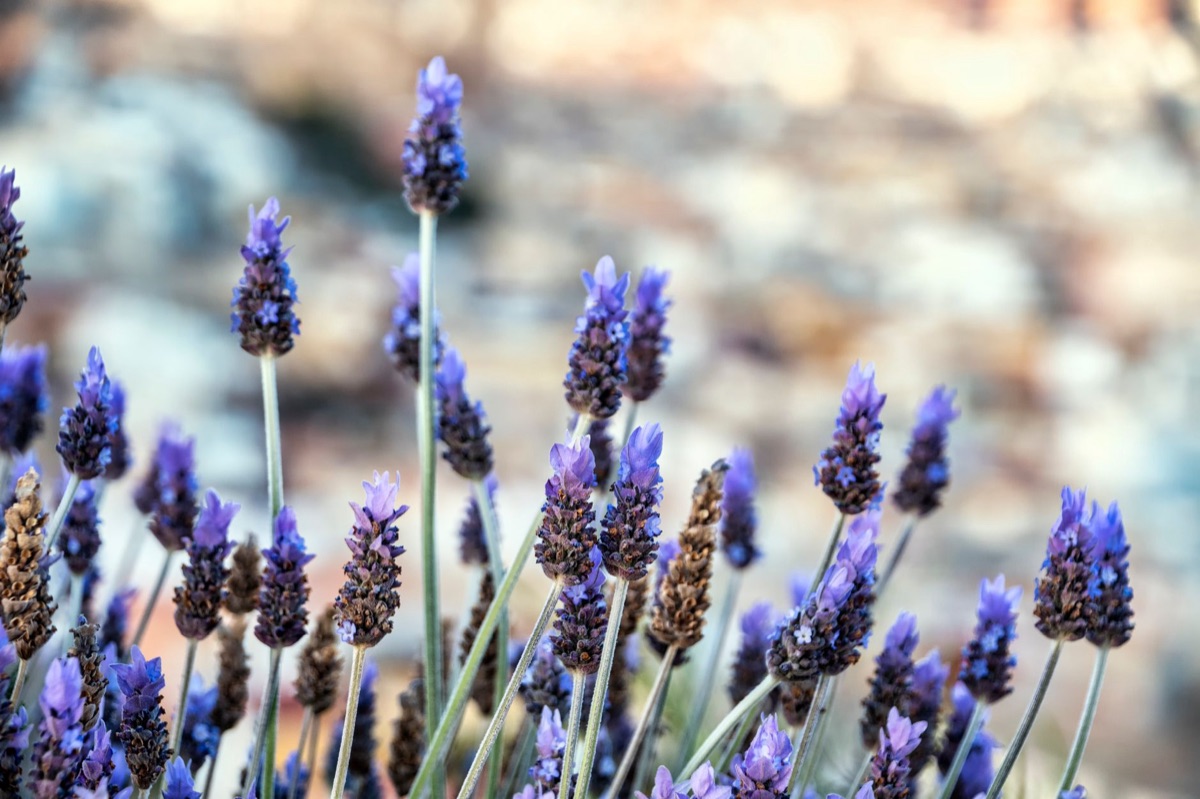
The window for peak lavender bloom in Hokkaido is notoriously fickle, often lasting only two to three weeks. While early-blooming varieties might appear in late June, the iconic, deep purple displays most travelers seek usually hit their stride in mid-to-late July.
Because different cultivars bloom at different times, a "chase" strategy is often necessary. If you arrive in early July, you might find yourself in Biei looking at beautiful but still-developing greenery, whereas late July might offer the heavy, fragrant peaks in Furano.
To maximize your chances, a 3-to-5-day window is the minimum required to account for weather-induced delays. If the bloom is late, you can pivot to higher elevations; if it is early, you can head toward coastal areas. Always check local farm reports before finalizing your driving route.
But timing is only half the battle; choosing how to move through these fields is where most travelers lose their way.
Why does the right pace matter? Matching your drive to the destination
I remember looking at a paper map spread across a wooden table in a small cafe in 2025, tracing lines between Furano and Biei. The distances looked short on paper, but the winding, narrow roads meant every thirty miles felt like a significant journey.
Your itinerary should be dictated by your available time and your tolerance for driving. A short 1-to-2-day trip should focus on a single base, such as Furano, to minimize time behind the wheel and maximize time in the fields.
This is perfect for travelers who want to see the highlights without the exhaustion of constant transit.
For a medium trip of 3 to 5 days, you can realistically explore the relationship between Furano and Biei. This allows for a balance of high-density sightseeing and enough breathing room to enjoy a slow lunch or a quiet walk through a nursery.
An extended journey of 7 days or more allows for a true Hokkaido immersion. With this much time, you can integrate secondary activities like visiting the volcanic landscapes of Daisetsuzan National Park or heading toward the lakes.
This is the only way to truly experience the "lifestyle" aspect of Hokkaido, blending floral beauty with rugged nature. However, even the best route can fail if you don't know what to do when you step out of the car.
What lies beyond the fields? Pairing your drive with Hokkaido experiences
The steam from the outdoor onsen rose to meet the cool evening air at 7:00 PM, smelling faintly of sulfur and pine. As I soaked, looking out toward the dark silhouettes of the mountains, I realized that the lavender fields were only one chapter of this trip.
A successful lavender drive is often better when paired with diverse accommodations. Staying at a farm-stay allows you to wake up to the sight of fields right outside your window, providing an intimacy that a city hotel cannot match.
Conversely, using a luxury hotel in a larger hub provides a stable base for day trips.
You can also pair your floral exploration with other Hokkaido staples. Adding an onsen (hot spring) stop to your route provides a perfect way to relax after a morning of walking through dusty farm paths.
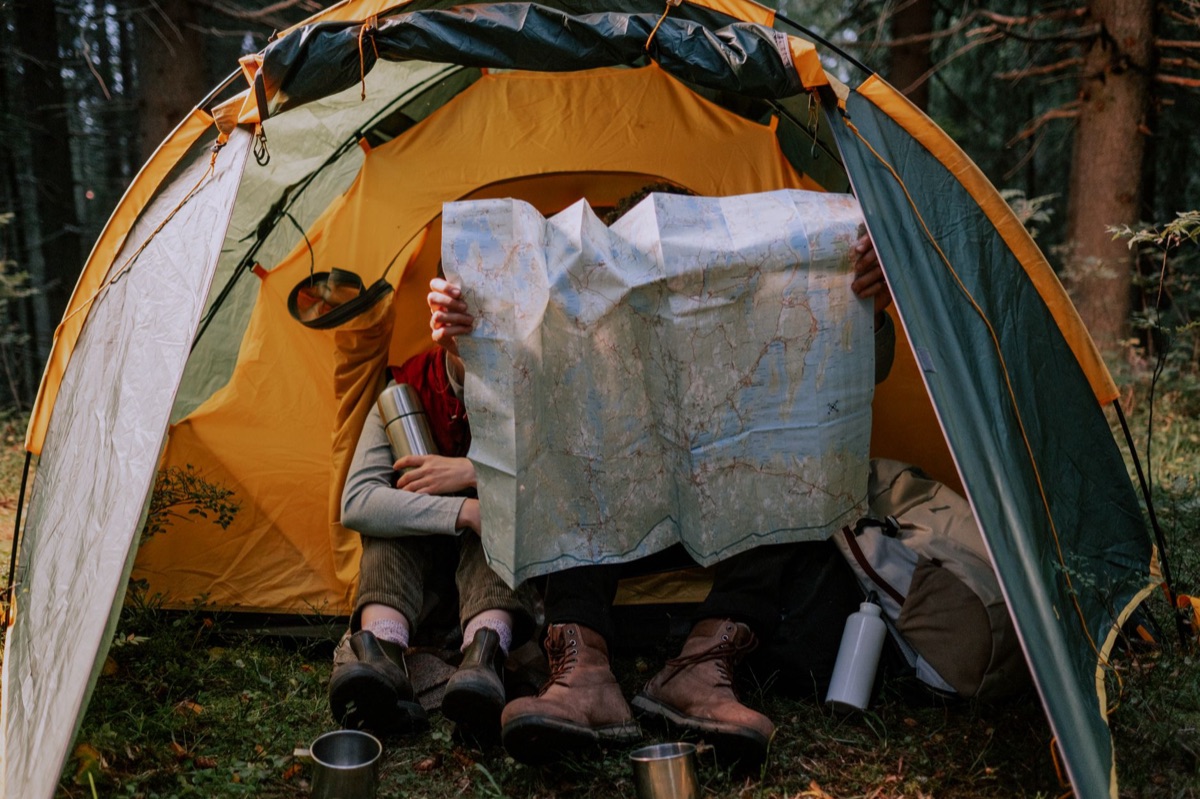
For those who prefer adventure, integrating camping trips near the hills allows for sunrise photography sessions that are impossible to catch from a hotel.
Dining is another crucial element of the drive. Instead of looking for restaurants in the middle of nowhere, plan your meals around established hubs. Use the morning for the fields when the light is soft, and head into town for high-quality dairy, melon, and seafood-based lunches.
But as beautiful as the scenery is, the logistics of the road can make or break the magic.
How do you navigate the journey? Logistics for a seamless drive
The rental car hummed quietly as we navigated a narrow, winding road lined with thick hedges at noon. Every turn revealed a new perspective, but I had to stay alert for local cyclists and sudden patches of gravel on the shoulder.
Driving in Hokkaido requires specific preparation, especially during the summer months when tourist traffic increases. While highways are excellent, many of the best lavender-viewing spots are accessed via narrow, two-lane country roads.
A compact car is often easier to maneuver through these tight spaces than a large SUV.
You must also understand the reality of driving distances. While Hokkaido is vast, the distances between major sightseeing spots can be deceptive. A 50-kilometer drive might take much longer than expected if you are navigating through winding mountain passes or slow-moving agricultural vehicles.
Timing your visits is a strategic necessity. Mid-day sun can be harsh, and the crowds at famous farms can be overwhelming. Aim for sunrise or early morning visits to capture the best lighting and avoid the heaviest traffic.
If the bloom is not where you expected, don't panic; use the time to explore local markets or smaller, lesser-known orchards. But how do you actually structure these days to ensure you don't miss a single petal?
How should you structure your trip? The ultimate itinerary blueprint
I sat in the driver's seat, looking at three different marked routes on my GPS. One was a loop, one was a straight line, and one was a zig-zag; choosing the right one would define the entire mood of my vacation.
To help you decide, here are three distinct ways to approach your lavender journey:
| Route Type | Best For | Typical Duration | Primary Focus |
|---|---|---|---|
| The Classic | First-timers | 2-3 Days | Major landmarks & ease of access |
| The Deep Dive | Photography enthusiasts | 5-7 Days | Variety of blooms & scenic vistas |
| The Micro-Adventure | Relaxed travelers | 1-2 Days | Single-base exploration |
Route A: The Classic (The First-Timer's Loop) This route starts from a central hub like Asahikawa or Sapporo, moving into Furano. It focuses on the most famous, high-density lavender farms.
It is designed to be manageable, with paved roads and clear landmarks, making it perfect if you want to see the "must-see" sights without excessive driving.
Route B: The Deep Dive (The Explorer's Path) This is a longer, more winding route that moves between Furano, Biei, and potentially toward Kamifurano. It is designed for those who want to see different stages of the bloom.
You might visit early-season varieties in one area and late-season ones in another, requiring a more flexible, 7-day itinerary.
Route C: The Micro-Adventure (The Single-Base Trip) This is a series of day trips from a single location, such as staying in a hotel in Furano for four days. You don't move your luggage; instead, you use your rental car to visit different fields each morning.
This is the most relaxing option, perfect for families or those who want to avoid constant packing and unpacking.
A Note on Limitations It is important to note that these routes and timings are subject to the unpredictable nature of Hokkaido's climate. A sudden heavy rainstorm or an unusually cold snap can shift bloom dates by several days.
These plans work best when you remain flexible and do not over-schedule your transit.





Comments 0