Niseko powder snow texture: Understanding the vastness now
"The white blanket stretches toward the horizon, a silent landscape of frozen beauty."
The Niseko powder snow texture is defined by its unique depth and soft consistency found in the northernmost regions of Japan. This guide explores how to navigate deep snow environments and understand the vastness of the landscape.
You will learn about regional geography, ways to experience deep snow, and the limitations of traveling through such environments.
What defines the Niseko powder snow texture?

A traveler stands at the edge of a vast white expanse, feeling the cold air bite at their cheeks. The Niseko powder snow texture is a result of the unique climate and geography found in Hokkaido, where deep snow accumulates over wide plains.
According to the Development Commission, when establishing the Development Commission (開拓使, Kaitakushi), the Meiji government introduced a new name, Hokkaido, which can be translated to "northern sea route".
The sheer scale of the region provides a massive canvas for this snow. For instance, the Ishikari Plain covers 3,800 km2 (1,500 mi2), while the Tokachi Plain spans 3,600 km2 (1,400 mi2). These expansive areas contribute to the vastness of the snow-covered terrain.
The vastness of the island itself is a factor in snow accumulation. Hokkaido is 83,423.84 km2 (32,210.12 mi2), making it the second-largest island of Japan. This significant landmass allows for diverse snow conditions across different elevations and plains.
The unique combination of moisture levels and wind patterns creates a lightweight, consistent texture.
How to experience the best powder experience?
In the early morning, I pull my goggles tight and plunge into the deep niseko drifts.
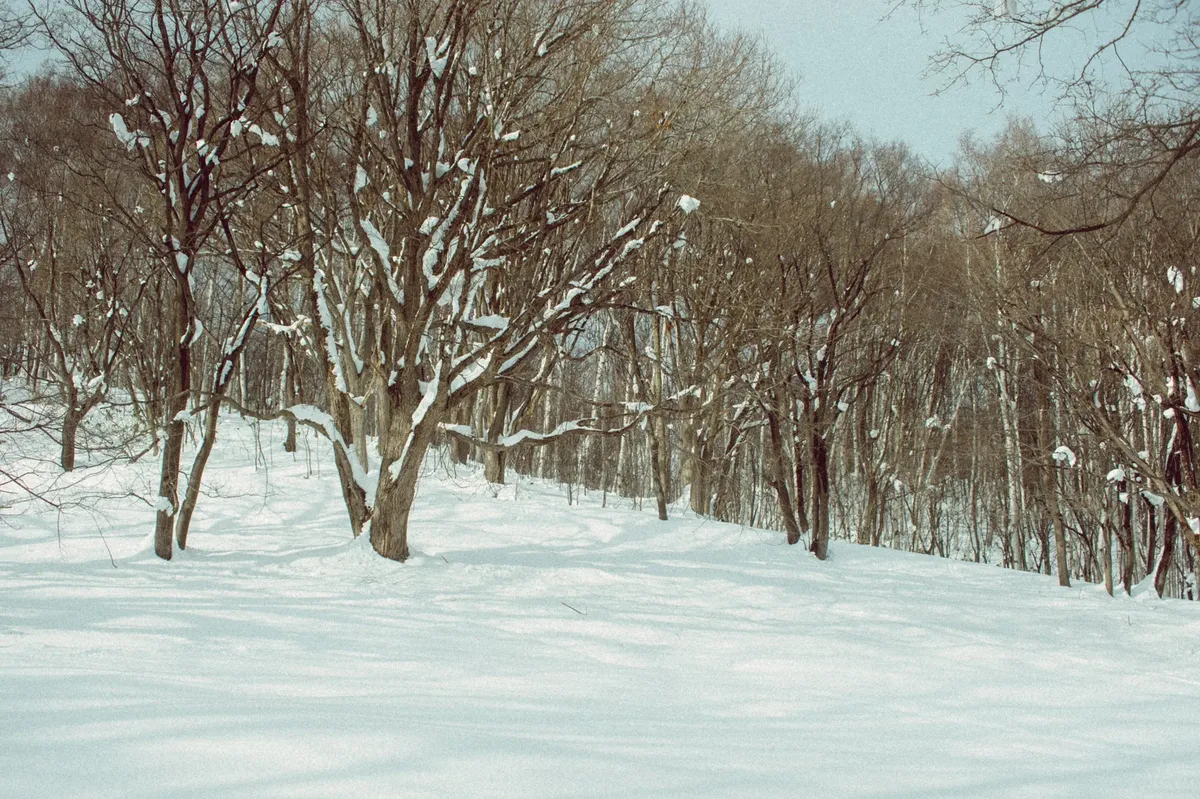
A skier pulls their goggles down, preparing to glide into a fresh drift. To achieve the best powder experience, one must seek out areas with significant snow depth and minimal wind interference.
One way to witness this is through a stay in remote locations. A reviewer spent 72 hours at a remote ryokan in Hokkaido, specifically at Ryounkaku Tokachidake Onsen, surrounded by deep snow. This allowed for a direct immersion into the winter landscape.
The snow-covered plains offer various settings for exploration. The Kushiro Plain covers 2,510 km2 (970 mi2) and contains the largest wetland in Japan, while the Sarobetsu Plain covers 200 km2 (77 mi2). These different environments provide varying snow qualities for enthusiasts.
- Monitor the overnight snowfall totals. 2. Check the wind direction and visibility. 3. Select the appropriate terrain for the depth.
How to feel powder through local travel?
Stepping out of the warm lodge into the evening chill, I track the soft niseko snow with every heavy step through the courtyard.
A traveler steps out of a warm building into a quiet, frozen courtyard. If you want to know how to feel powder through local travel, you should consider the cultural and geographical context of the island.
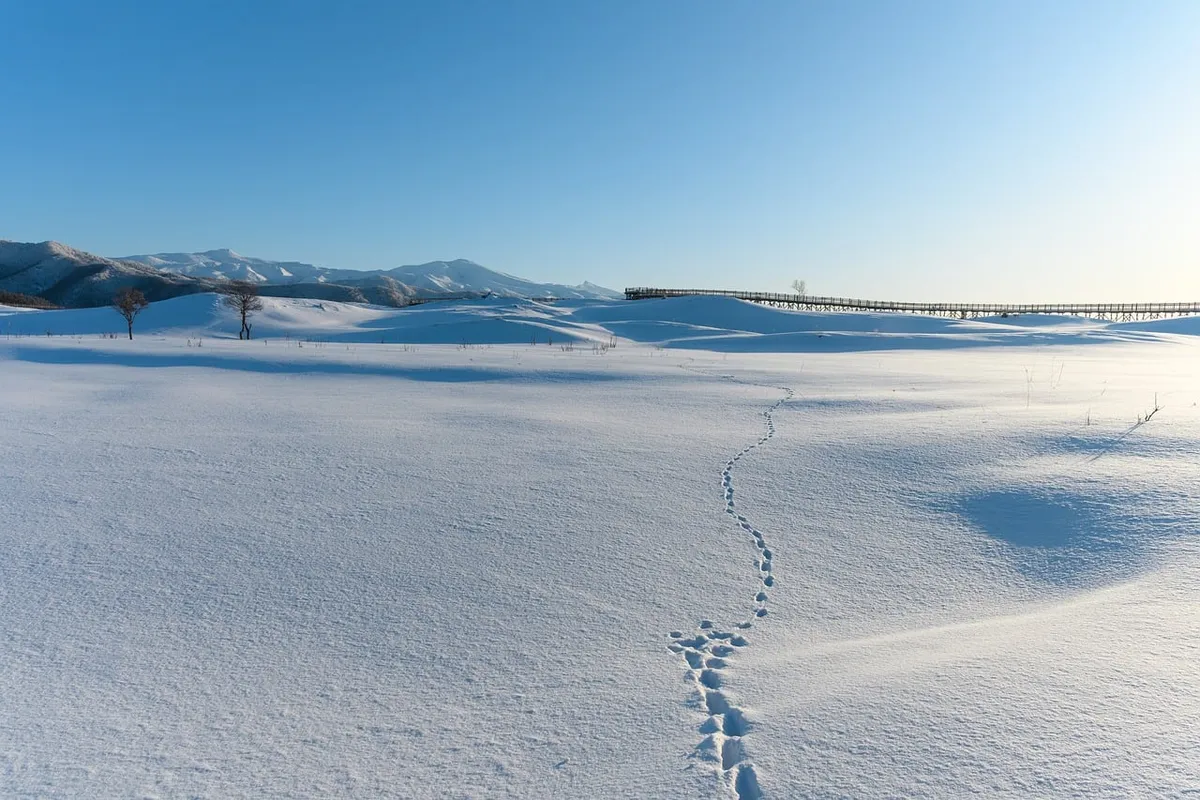
The history of the region provides context for its name. When establishing the Development Commission (Kaitakushi), the Meiji government introduced the name Hokkaido, which can be translated to "northern sea route." This history is tied to the rugged, snowy environment.
The natural landscape is also defined by its forests. Hokkaido accounts for 22% of Japan's forests, which supports a sizable timber industry. This wooded terrain can influence the texture and depth of the snow in different valleys.
I find that the second step in this process is the most significant.
What is the snow condition guide for adventurers?
An adventurer checks their equipment before heading into the white wilderness. A reliable snow condition guide involves understanding the local topography and the scale of the environment.
Understanding the size of the land helps in planning trips. Because Hokkaido is 83,423.84 km2 (32,210.12 mi2), travelers must account for the vast distances between different snow-heavy regions.
Navigating through different plains requires different preparation. Moving from the 3,800 km2 (1,500 mi2) Ishikari Plain to the smaller 200 km2 (77 mi2) Sarobetsu Plain involves changing snow depths and terrain types.
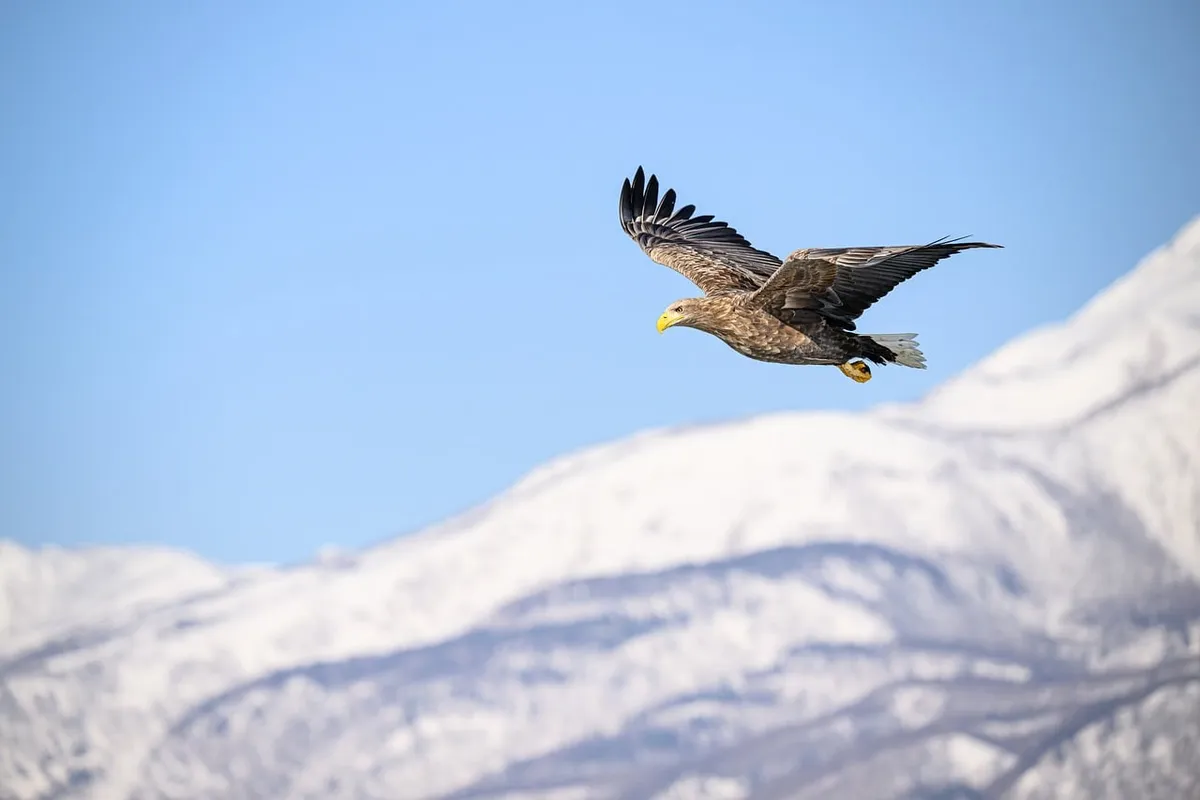
Adventurers should prioritize understanding the stability of the snowpack before heading out.
How to navigate deep snow texture?
A hiker looks up at the towering peaks, checking the stability of the fresh layer. Navigating deep snow texture requires specific physical preparation and the right gear to handle the weight of the snow.
One must be aware of the environment's scale. The massive size of the second-largest island of Japan means snow conditions can change rapidly between the coast and the interior plains.
The depth experienced in remote areas can be intense. For example, staying 72 hours in deep snow at Ryounkaku Tokachidake Onsen provides a sense of how much snow can accumulate in a single location.
Maintain an even weight distribution to prevent sinking too deep into the layer.
A guide to managing snow conditions
A traveler sits by a window, watching the snow fall steadily against the glass. To manage these conditions, follow these steps:
- Assess the local terrain, such as the vastness of the Tokachi Plain (3,600 km2 / 1,400 mi2), to understand travel times. 2. Prepare for the specific density of the Niseko powder snow texture by using appropriate layering. 3. Check local reports regarding the forested areas, which make up 22% of the island's land.
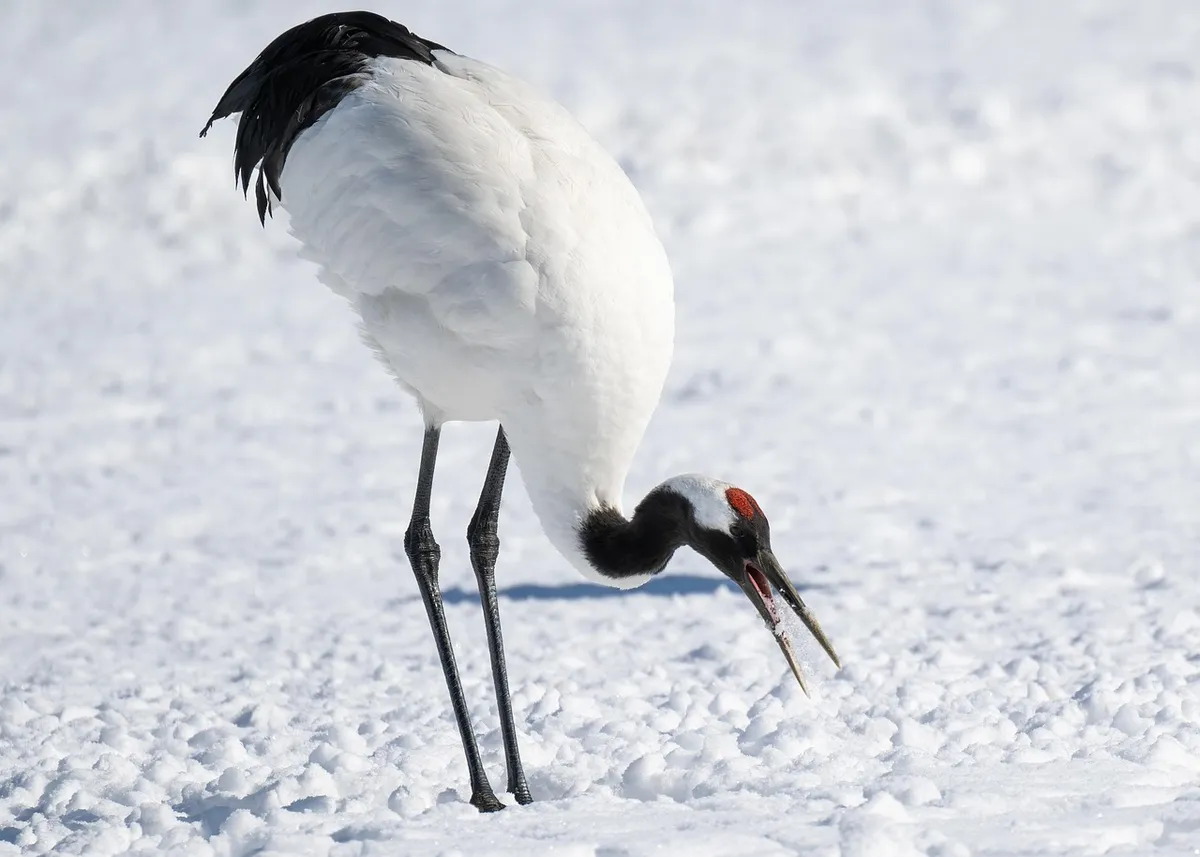
I personally found that checking the specific plain you are visiting is essential for gear selection.
A limitation to these methods is that the scale of the terrain, such as the 83,423.84 km2 (32,210.12 mi2) area, can make real-time condition changes difficult to track.
Always stay updated on local weather changes to ensure safe movement.
- What defines the Niseko powder snow texture?
- How to experience the best powder experience?
- How to feel powder through local travel?
The same subject is also called Niseko snow feel.
The same subject is also called Powder snow quality.
The same subject is also called Fresh snow feeling.
Related
- Furano lavender July guide: Scenic drive through blooms
- Niseko powder ski festival: Guide to deep snow conditions
Why is the white blanket so variable?
The white blanket displays different qualities depending on the specific plain being traversed. The Ishikari Plain, being larger, offers a different scale than the Sarobetsu Plain.
This difference in scale dictates the expected snow depth and the overall feeling of the journey through the white blanket.
The Tokachi Plain, while vast, presents a different accumulation pattern than the Kushiro Plain. These plains, though part of the same island, offer distinct microclimates influencing the snow's consistency.
How does the geography influence the snow?
Regional geography plays a role in how the snow settles across the island. The presence of the forests, which cover a significant portion of Hokkaido, affects how the snow behaves in various valleys.
This wooded terrain interacts with the snow layer, altering its texture as it settles across the wide plains.
Travelers must account for the interplay between the different plains and the island's overall size when experiencing the white blanket.


Comments 0