Spurt Curry Origin: A Deep Dive into This Dish Guide
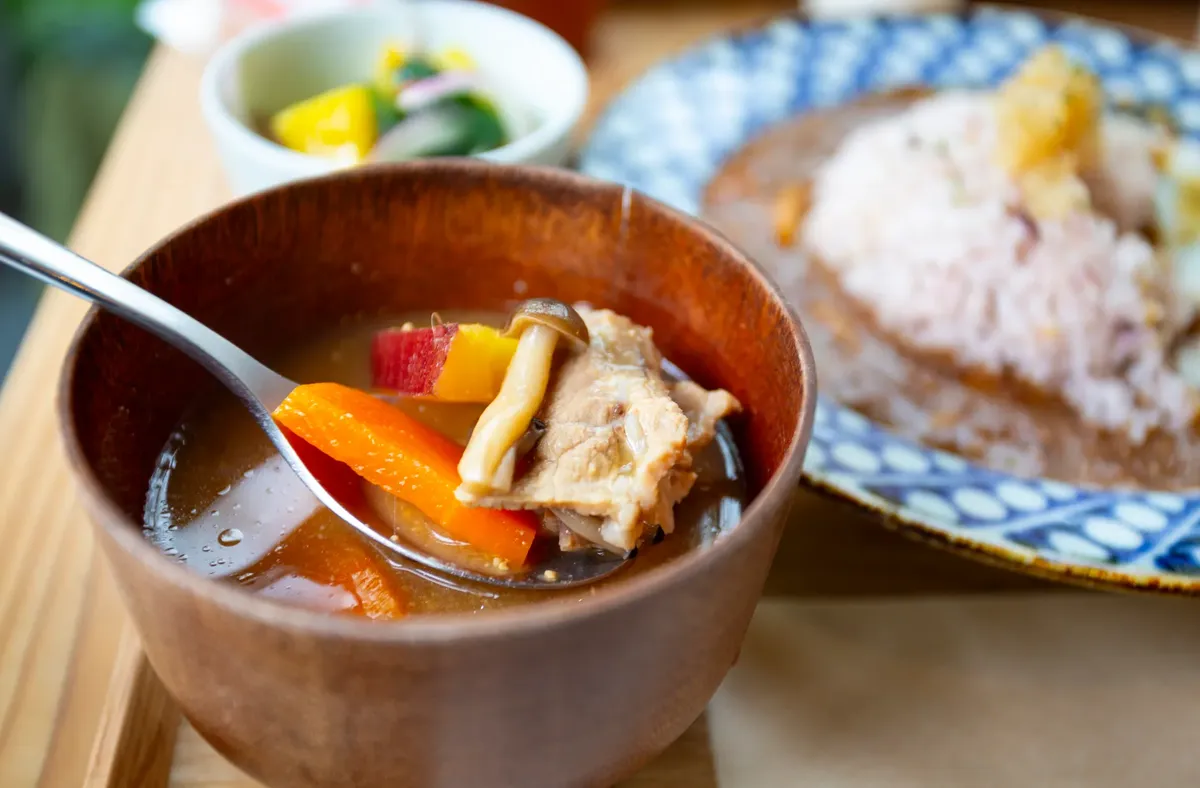
The origin of soup curry is a unique fusion of traditional spices and local culinary creativity developed in Hokkaido. This dish serves as a hearty, liquid-based meal that differs significantly from thick, starch-heavy curry styles.
* The dish features a thin, broth-like consistency rather than a thick sauce. * Large, tenderly cooked vegetables and proteins are the primary focus. * It represents a fusion of Japanese flavors and spice-heavy traditions.
Where did soup curry actually come from?
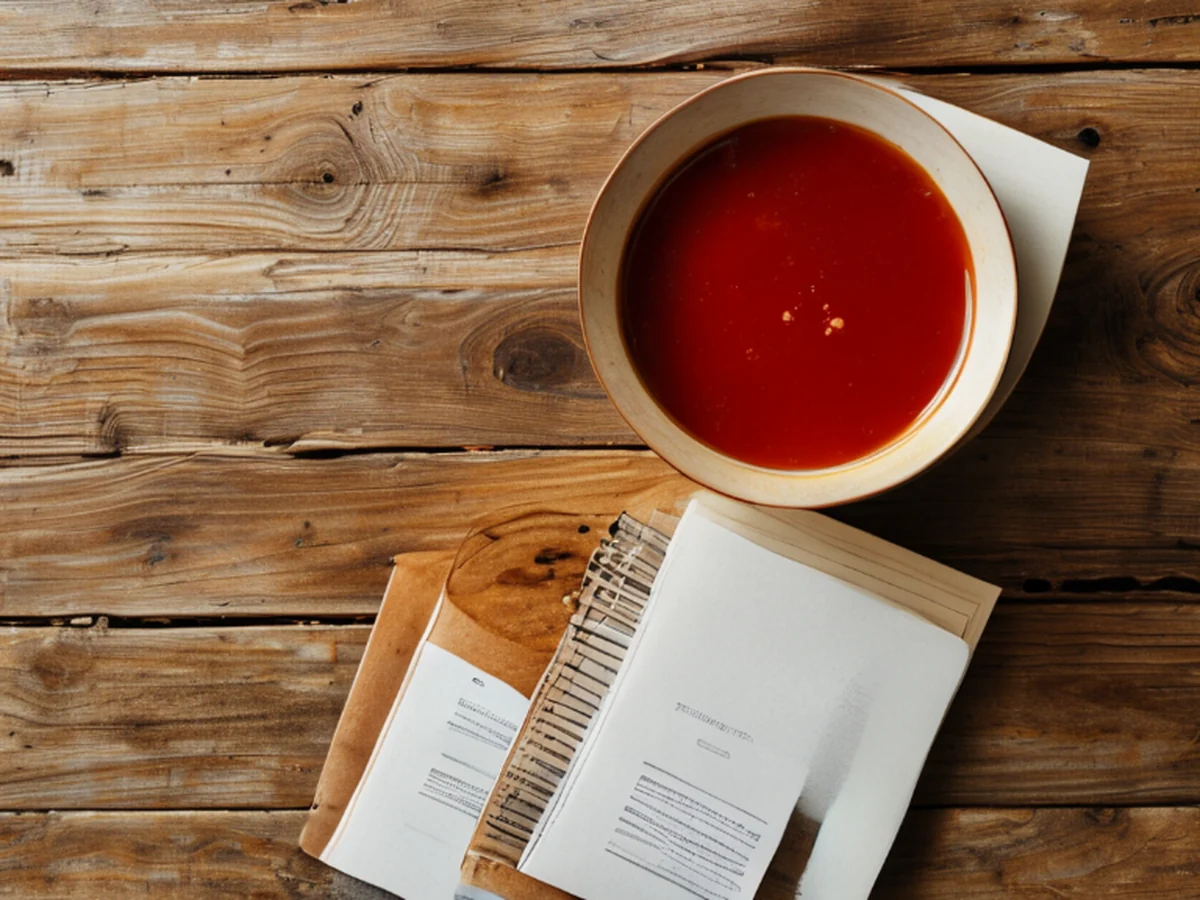
In a dim Sapporo kitchen, a chef watches a sudden spurt of spice-heavy broth splash against the wooden table. A steaming bowl of broth sits on a wooden table as the aroma of toasted spices fills the air. This meal represents a departure from the thick, roux-based curries common in other parts of Japan. Instead, it focuses on a clear, flavorful liquid that allows the natural taste of ingredients to shine.
The development of soup curry is tied to the regional food culture of Hokkaido, where hearty meals are needed to combat the cold. It emerged as a way to combine the comfort of a soup with the bold flavors of curry.
This fusion created a versatile dish that can accommodate a wide variety of seasonal vegetables.
The Spurt Curry Origin is found in the creative culinary shifts within Sapporo. Chefs sought to create a dish that felt lighter yet more satisfying through intense spice profiles. This led to a unique texture that remains distinct from traditional Japanese curry.
However, the historical timeline remains somewhat speculative due to the lack of written records from its early development.
How did Hokkaido food culture shape this dish?
At the wooden table, a cold wind whistles outside while a sudden spurt of hot broth splashes against the spoon held in her trembling hand.
A chef carefully slices fresh local vegetables, preparing them for a deep-fry before they hit the simmering broth. The local ingredients of the northern island play a vital role in the dish's identity.
Because Hokkaido is known for its vast agriculture, the ability to use large, chunky vegetables is central to the experience.
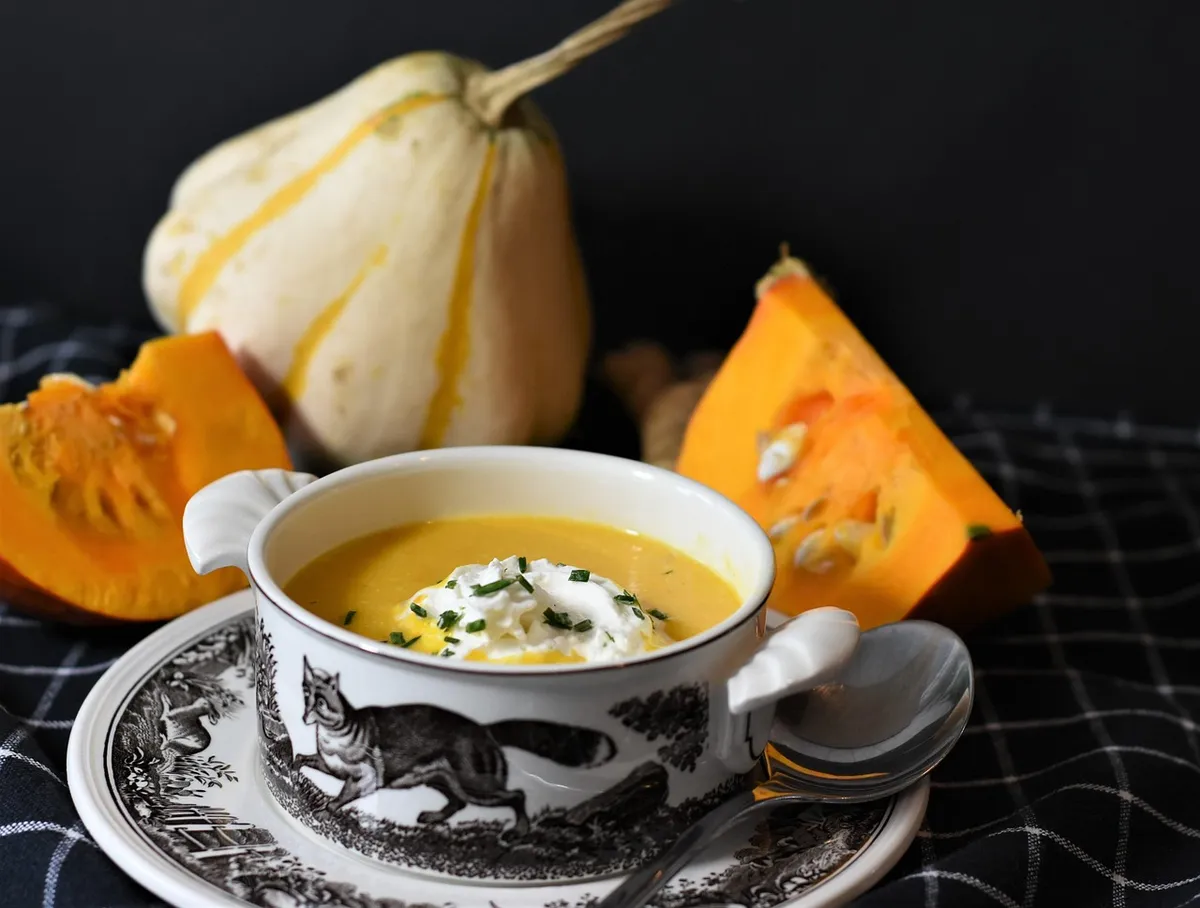
Hokkaido food culture emphasizes fresh, seasonal produce and robust flavors. The Spurt Curry History is intertwined with the availability of high-quality vegetables and meats. This environment encouraged a style of cooking where the ingredients are not just toppings but the stars of the bowl.
The Spurt Curry-inspired approach allows for a diverse range of textures. By using a thin base, the heat from the spices can penetrate the large chunks of food effectively. This method ensures that every bite delivers a balance of spice and natural sweetness.
However, these regional influences may not apply to fusion versions created outside of Hokkaido.
Can we trace its culinary roots? A hand reaches for a spoon to taste a deep, aromatic broth. Understanding the journey of this recipe requires looking at how spice-based soups evolved in the region. The Sproll Curry's True Source is often debated among food enthusiasts, but it remains a symbol of modern Sapporo innovation.
The dish draws inspiration from various spice-heavy traditions but was refined through local tastes. It is not a direct copy of any single existing cuisine but a localized evolution. This makes it a unique staple of the region rather than a traditional historical relic.
The Spurt Curry's True Source lies in the intersection of necessity and creativity. It was designed to be a complete meal in a single bowl, making it practical for the local lifestyle. The evolution of these flavors reflects the changing tastes of the Hokkaido population.
I find that the second point regarding spice origins is the most significant part of this overview.
How to enjoy a bowl of soup curry?
Stepping into a local restaurant, the heat from the kitchen meets the cool air of the street. To experience the dish properly, one must follow a specific way of eating. The large pieces of food require a bit more attention than standard rice-based dishes.
- Select a spice level that matches your tolerance to ensure the broth remains the focus. 2.s. Choose a base that allows for the inclusion of various seasonal vegetables. 3. Use the spoon to enjoy the broth first, then tackle the large ingredients.
I remember sitting in a small shop in Sapporo, feeling the warmth of the bowl against my palms as I navigated the large pieces of cauliflower and meat. This first-person experience of tasting the broth makes the meal memorable.
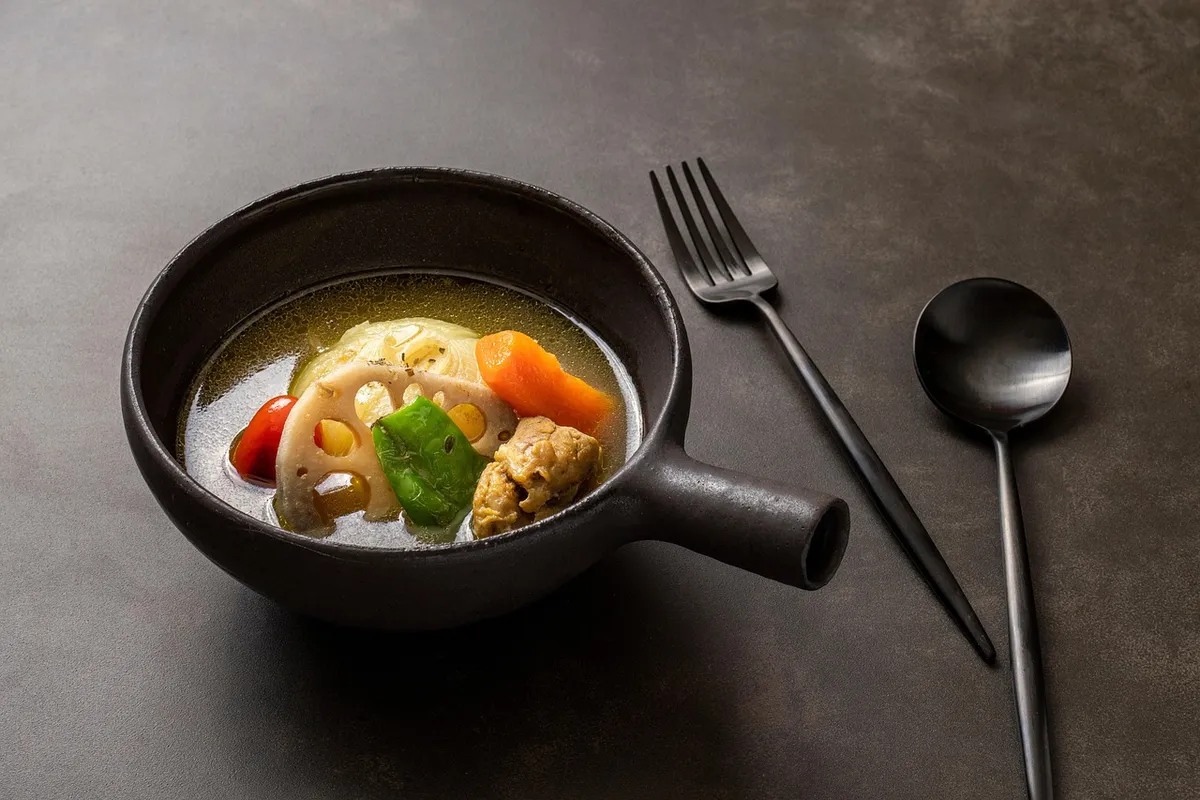
The Spurt Curry-inspired style works best when the ingredients are cooked separately to maintain their integrity. This ensures the vegetables remain crisp while the broth stays clear.
- Select your preferred spice level.
- Choose a variety of fresh vegetables.
- Pair the soup with a side of rice.
Comparison of Curry Styles
| Feature | Traditional Japanese Curry | Soup Curry |
|---|---|---|
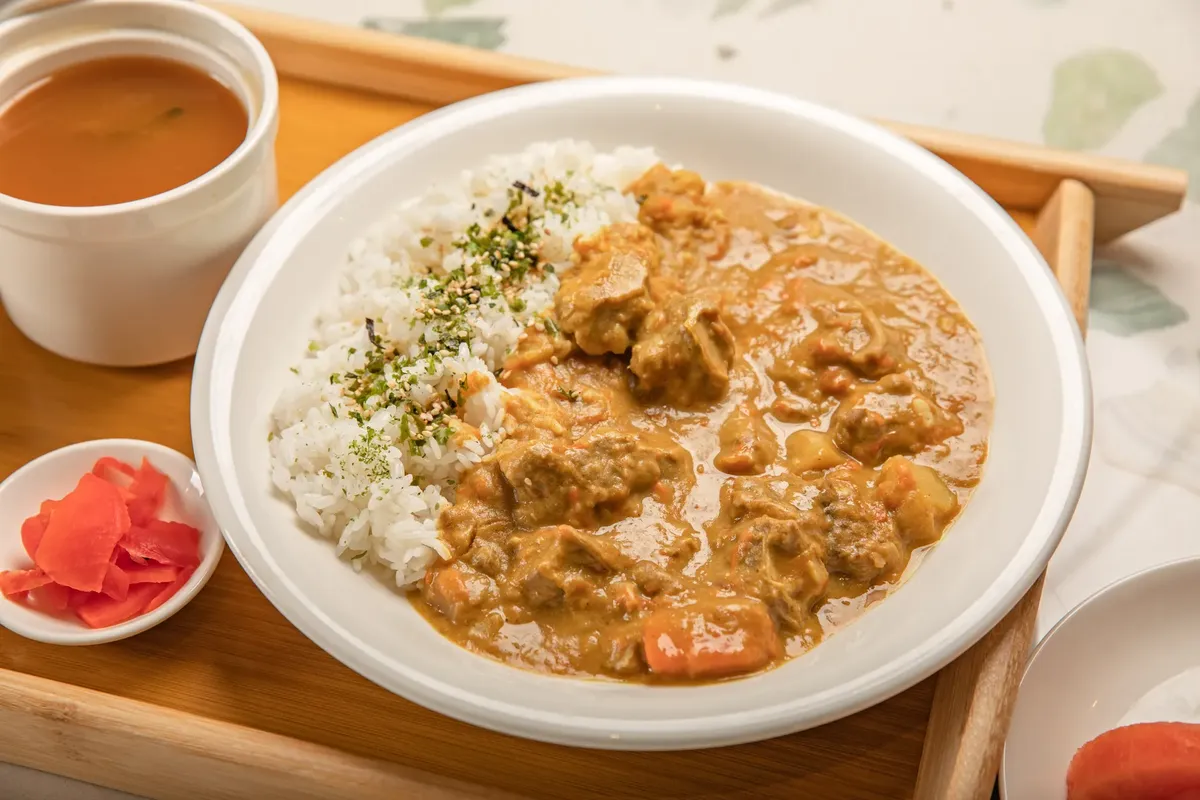
| Consistency | Thick, roux-based | Thin, broth-based |
| Main Focus | Rice and sauce | Large vegetables and protein |
The table above shows how the two styles differ in texture and primary focus.
I believe the second comparison provides the clearest distinction between the styles.
Related
- 99% Preservation: Ainu Wisdom of the Northern Wilderness
- Hokkaido Winter Travel: Best Time to See Snowfall Now
What makes soup curry distinct?
The soup curry achieves its unique character through its liquid base, which contrasts sharply with the dense, saucy texture of conventional curries. This thin broth allows the individual flavors of the components to remain distinct while melding into a cohesive whole.
The combination of intense spices with the mildness of the broth is key to its success.
This difference in consistency is crucial; the broth acts as a vehicle for the flavors rather than a binding agent, allowing the palate to appreciate the separate contributions of the vegetables and protein.
The origin of this liquid medium is tied to the need for a warming, yet relatively light, meal in the cold climate of Hokkaido.
While both dishes feature spices, the execution differs significantly. The soup curry embraces a lighter profile where the spice permeates the ingredients without overwhelming them, unlike the heavier, starch-bound richness of the traditional preparation.
However, these characteristics may not apply to thicker, gravy-based curry varieties.
How does the liquid base influence the taste? The thin broth serves as the primary medium through which the flavors of the various components are experienced. This liquid component carries the toasted spice aromas throughout the meal. It allows the palate to perceive the difference between the robust spices and the fresh taste of the vegetables. The soup curry origin relies on this liquid to bind the disparate elements into a single, harmonious experience.
This broth acts as a palate cleanser between bites of the main ingredients. It ensures that the strong, concentrated flavors of the spices are experienced gradually. The liquid medium allows the palate to adjust to the intensity of the meal.
This contrasts with the uniform flavor delivery of a thick, bound sauce.
For the soup curry, the broth is not merely accompaniment; it is integral to the overall flavor profile. It facilitates the melding of the Japanese influences with the spice-heavy traditions. This liquid foundation is what defines the modern Sapporo innovation mentioned previously.
Considerations for the Soup Curry Origin
When approaching the soup curry origin, it is important to remember the initial intention of the creators. They aimed to create a dish that was both comforting and relatively light for a cold climate. The liquid base supported this goal of a meal that was substantial yet not overly heavy.
The successful execution hinges on the balance achieved between the broth and the solids.
This balance is critical because the broth must carry the weight of the spices without becoming overpowering. The vegetables and proteins, while substantial, must integrate with the broth's journey. The soup curry, therefore, is a carefully calibrated balance of liquid infusion and solid substance.




Comments 0