Hokkaido Winter Travel: Best Time to See Snowfall Now
"The snow doesn't care about your itinerary."
Planning a trip to Hokkaido in the winter is a balancing act between witnessing breathtaking natural wonders and managing unpredictable, bone-chilling elements. Depending on when you land, you might be walking through a bustling festival or trekking through silent, frozen wilderness.
* Best for Festivals: Early February (Sapporo Snow Festival). * Best for Skiing & Ice Floes: Mid-January to early February. * Essential Gear: Waterproof boots, heavy layering, and 4WD vehicles if driving. * Safety First: Always account for road closures and sudden snowstorms.
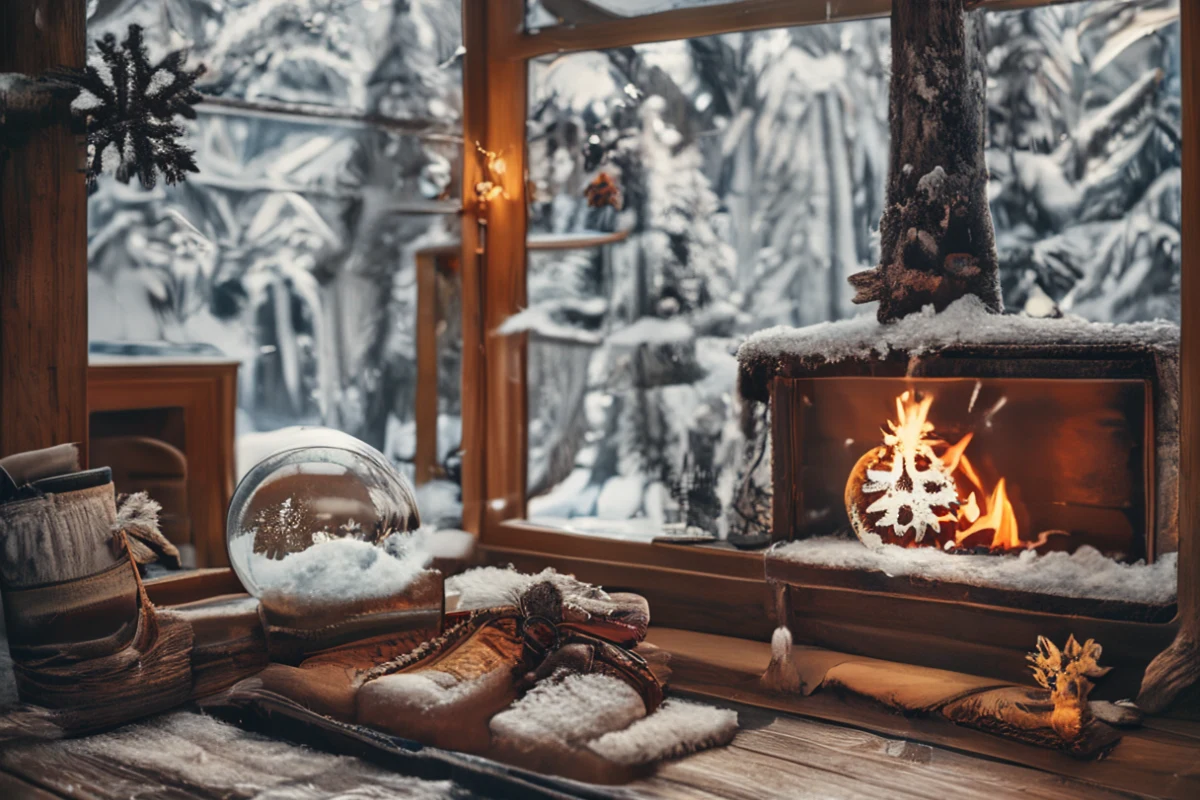
When will I see the best snow? A cold gust of wind hits my face as I stand on a street corner in Sapporo in mid-January, the air so crisp it feels like breathing in tiny needles of ice. The streetlights cast a surreal, silvery glow over the fresh powder coating the sidewalks.
When deciding when to visit, you essentially have two distinct paths: the vibrant urban celebration or the raw, natural spectacle.
The first path is "Festival and Urban Winter." If you want to see massive, intricate snow sculptures, the Sapporo Snow Festival in early February is the peak. During this time, the city becomes an outdoor gallery, making it perfect for families or those who want high-energy sightseeing.
The second path is "Nature and Adventure." From mid-January through early February, the ski resorts in Niseko and Rusutsu are at their prime, attracting skiers from around the globe.
Simultaneously, the northern coastlines like Abashiri offer the rare chance to witness massive drift ice (ryuhyo) floating in the sea.
Your choice depends on whether you want the warmth of a crowd or the stillness of the wild.
| Travel Goal | Mid-January to Early February | Mid-February to Early March |
|---|---|---|
| Primary Theme | Drift ice, heavy powder skiing, snow festival prep | Main Snow Festival event, early signs of spring |
| Temperature | Piercingly cold, heavy north winds | Slightly milder daytime temperatures |
The weather can change your entire itinerary in an instant.
How do I make the most of the snow festival?
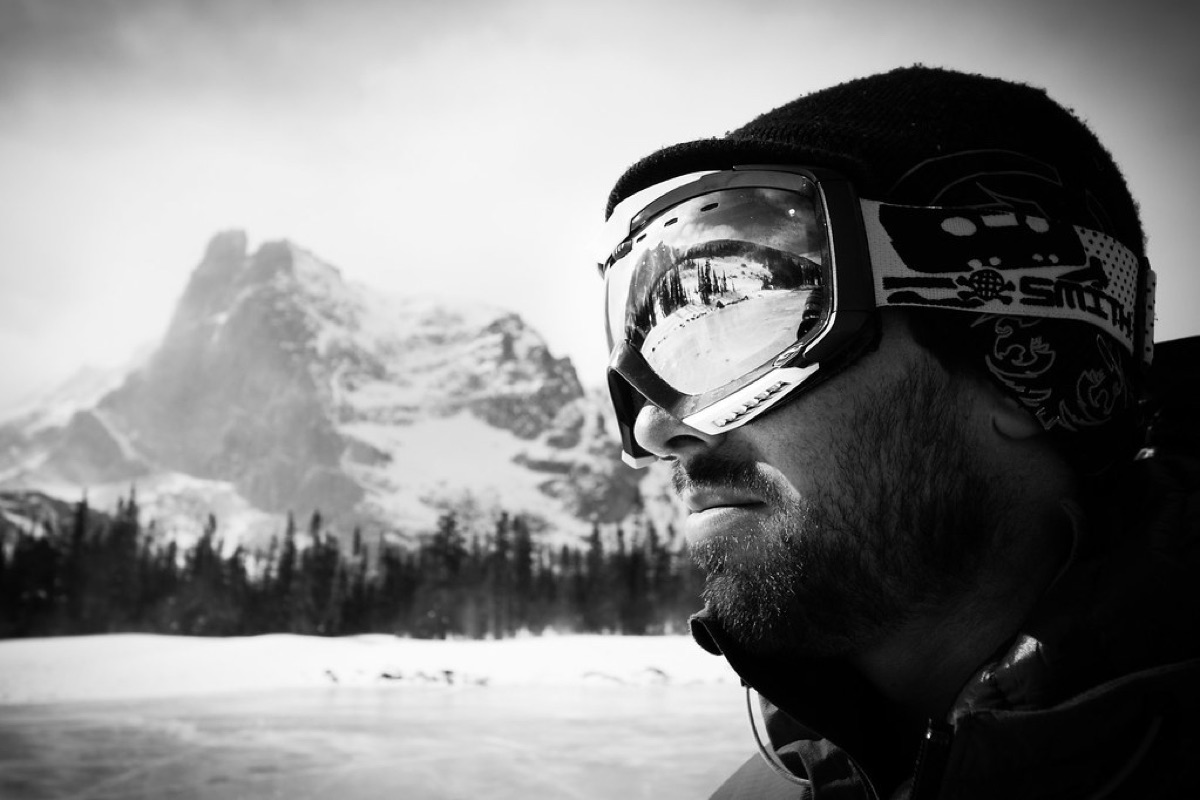
I stand in front of a massive snow sculpture in Odori Park in early February, my mouth hanging open at the sheer scale of the art. But before the awe can fully set in, the biting cold begins to seep through my layers, and the massive crowd makes the warmth feel distant.
The Sapporo Snow Festival is the crown jewel of Hokkaido's winter, but it requires the most logistical planning. Because it draws massive crowds, the city becomes incredibly busy.
While the night illuminations are stunning, the temperature drops significantly after sunset. Even in downtown Sapporo, wind chill can easily push the perceived temperature well below zero. A heavy coat isn't enough; you need thermal base layers and heavy-duty socks to prevent numbness.
Regarding logistics, booking accommodations for the festival period should happen at least six months in advance. If you didn't book by late 2025, you might find Sapporo hotels fully booked.
If the city center is too expensive, look for hotels near subway stations slightly outside the main tourist hub.
For those who want to avoid the shoulder-to-shoulder crowds, try visiting the sculpture sites in the early morning. Seeing the fresh snow on the sculptures before the midday rush offers a much more peaceful experience.
Crowds can make moving through the city much slower than usual.
How do I experience the wild side of Hokkaido?
The morning sun hits the slopes of Niseko, turning the fresh powder into a blinding white sea that looks like walking on clouds. Every step sinks deep into the snow, a sensation that makes skiers feel like they are in paradise.
For those seeking natural wonders, January is often the superior choice. The "Japow" (Japan Powder) snow is legendary for being light, dry, and perfect for skiing. Resorts like Niseko, Rusuts, and Kiroro offer the most consistent snow quality during this window.
If you head toward the northern coast, the scenery shifts entirely. The drift ice moving in from the Sea of Okhotsk is a once-in-a-lifetime sight. Taking a specialized icebreaker ship or trying "ice walking" are experiences you will never forget.
However, nature comes with risks. Icebreaker tours can be canceled due to weather, and the coastal winds are significantly more violent than the cold in the city.
Physical activity in the cold consumes massive amounts of energy, so plan for high-calorie meals and warm accommodations.
The beauty of the wild requires strict adherence to safety.
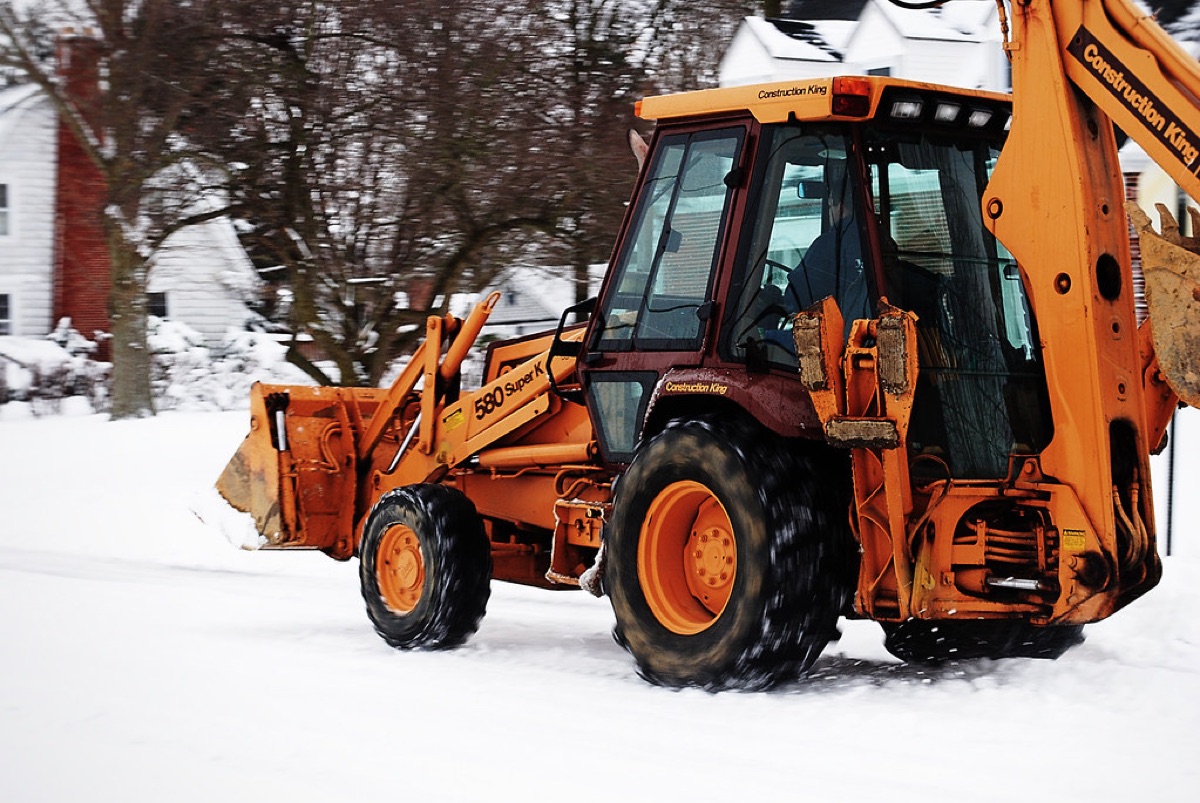
How should I drive in the snow? The car fishtails slightly on a patch of hidden ice, and for a split second, my heart jumps into my throat. My hands grip the steering wheel tight as the world outside turns into a blur of white.
While renting a car offers freedom, it is the most dangerous element of a Hokkaido winter trip. Roads can be a treacherous mix of deep snow and "black ice"—a transparent layer of ice that is nearly invisible on the asphalt.
First, always ensure your rental is a 4WD (four-wheel drive) vehicle equipped with dedicated snow tires. While many rental agencies in Hokkaido provide these by default, you must double-check your booking to be certain.
Second, throw your sense of distance out the window. A drive from Sapporo to Biei might look short on a map, but snow-clogged roads and low visibility will make it take much longer than expected.
Third, watch the road surface constantly. Snow that melts during the day often refreezes into dangerous ice at night. This "black ice" is a leading cause of accidents in the region.
Finally, always carry emergency supplies like extra blankets and non-perishable food in case a sudden snowstorm forces a road closure.
Getting to your destination safely is more important than arriving on time.
Essential checklist for winter travelers
The wind bites through my collar, and I realize how much I rely on the heavy layers I packed. A single pair of wet socks can turn a wonderful moment into a miserable one.
To ensure your trip is memorable for the right reasons, follow this checklist.
- Clothing and Footwear
- * The Layering System: Instead of one massive coat, wear multiple thin layers. This allows you to add or remove warmth as you move between the cold outdoors and heated buildings.
- * Waterproof and Windproof: If your clothes get wet from melting snow, your body temperature will plummet. Use technical shells like Gore-Tex.
- * Winter Boots: Choose boots with heavy tread for grip and complete waterproofing.
- Electronics and Gadgets
- * Power Banks: Cold temperatures drain smartphone batteries much faster than usual.
- * Heat Packs: Carry plenty of disposable hand warmers and toe warmers.
- Health and Hygiene
- * Moisturizers: The dry winter air can crack your skin. Bring heavy-duty lotions and lip balm.
- * Basic Medicine: Pack cold medicine and digestive aids.
| Category | Essential Items | Recommended Items |
|---|---|---|
| Clothing | Heavy outer coat, thermal base layers, waterproof boots | Scarves, gloves, ear warmers |
| Gear | Power bank, portable ice cleats (spikes) | Humidifying masks, bulk heat packs |
| Other | Personal medicine, heavy moisturizer | Sunglasses (to prevent snow blindness) |
Only the prepared traveler can truly enjoy the winter landscape.


Comments 0