Furano Lavender: Peak Bloom Timing for Your Summer Trip
"The scent of purple waves hitting the breeze at dawn is a memory that stays in your lungs long after you leave Hokkaido."
If you are planning a summer trip to the lavender-rich landscapes of Furano, timing your visit to the peak bloom is the difference between a beautiful trip and a legendary one.
To make the most of it, you must balance the fleeting beauty of the flowers with the rugged reality of Hokkaido's vast geography.
Key Takeaways * Timing is Crucial: Aim for late July to capture the peak purple saturation. * Gear for Variability: Pack layers for warm days and surprisingly chilly nights. * Distance Matters: Respect the massive scale of Hokkaido; don't overschedule your driving.
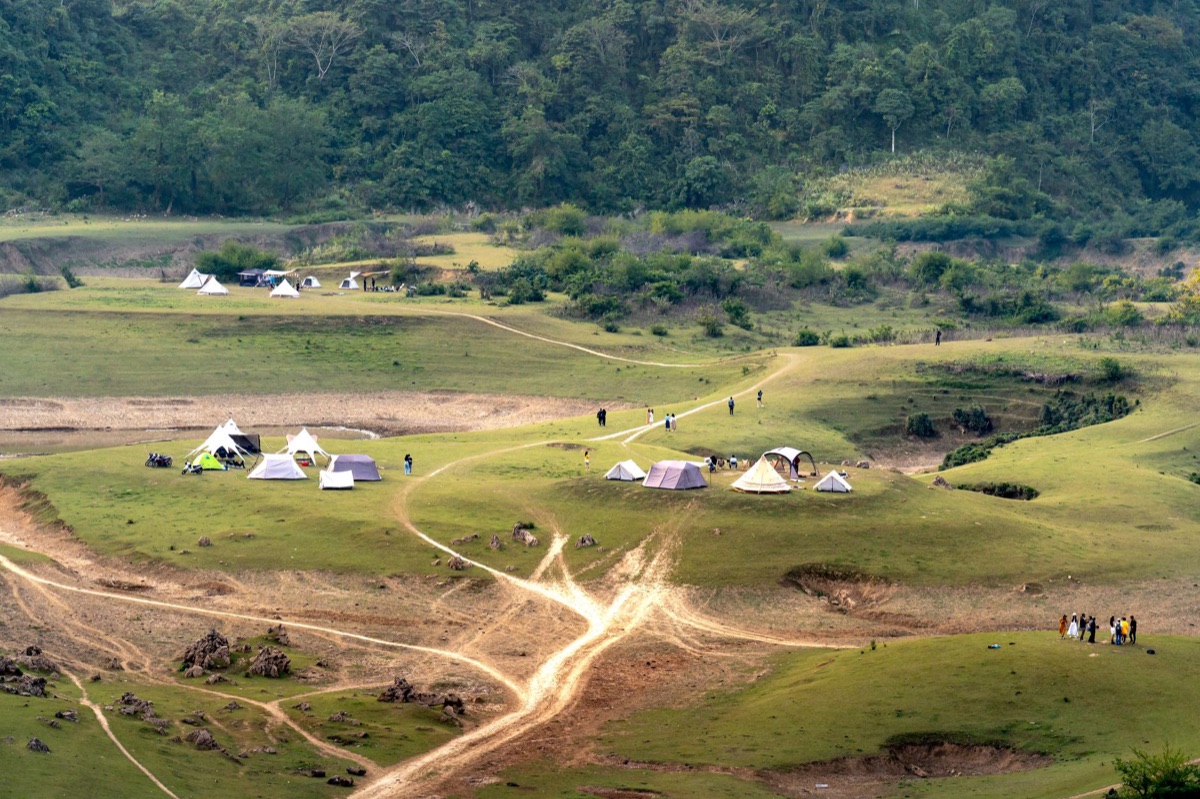
When is the perfect time to see the lavender? The sun rises over the Tokachi Plain, casting a golden light that turns the purple fields into a shimmering sea of violet. You stand there with a steaming cup of coffee, realizing the colors are even deeper than the photos promised.
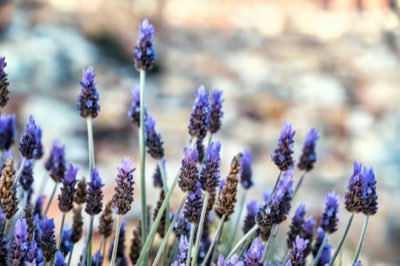
The blooming window in Furano typically stretches from mid-June through early August. However, the "peak" is much narrower. Early bloomers in late June offer lighter, more delicate shades, while the most intense, saturated purple occurs from late July to the first week of August.
If you are camping, this timing dictates your entire itinerary. A late-July camper will wake up to the heavy, sweet scent of lavender-rich air, while an early-June camper might find themselves surrounded by much greener, less colorful landscapes.
Because weather patterns in Hokkaido can be unpredictable, always check local bloom forecasts rather than relying on static calendars. A sudden heatwave can accelerate the bloom, while a cool, rainy week can delay it.
The transition from peak bloom to post-bloom is quick. Once the petals begin to fade in mid-August, the landscape shifts toward seed pods and greens. If your goal is the quintessential "purple sea" photo, you must hit that late-July window.
But the flowers are only half the battle; the logistics of staying near them can be even more complicated.
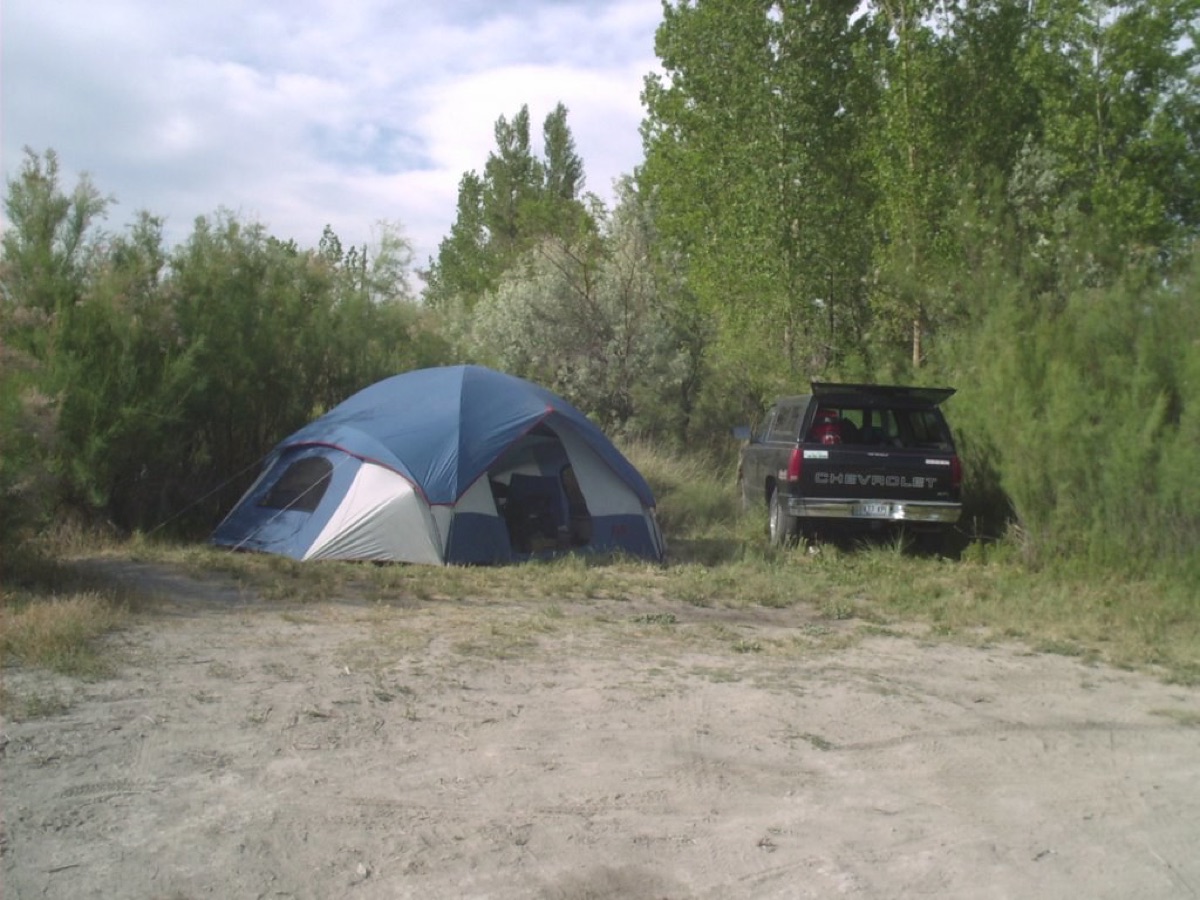
How do I set up camp in the lavender region? You pull your rental car into a gravel clearing, the heavy thud of the trunk closing echoing against the quiet of the rolling hills. As you unfold your tent, the warmth of the afternoon sun hits your neck, but you notice the shadows are already stretching long across the valley.
Booking a campsite in the Furano and Biei areas requires significant foresight. Most popular sites are booked months in advance for the summer season. You should decide between dedicated campgrounds with full facilities (water, toilets, electricity) and more rugged, remote sites.
Dedicated sites are much easier for travelers moving between cities, but they can be crowded.
Regarding gear, the Hokkaido summer is deceptive. While daytime temperatures can be warm, the temperature drops significantly once the sun goes down. You will need high-quality sleeping bags and layers.
Insects are also a factor; while lavender is known for its soothing properties, it doesn't stop all bugs. Bring reliable insect repellent and mesh screening for your tent.
It is important to distinguish between camping sites and roadside viewing spots. You cannot simply pitch a tent in the middle of a lavender field.
Most campers use designated campgrounds as a base and drive into the fields during the early morning or late afternoon for the best views and to avoid the midday heat.
However, once you have your tent pitched, you have to figure out how to actually navigate the massive distances between the blooms.
Navigating Hokkaido: Driving & Getting Around
The road stretches out toward the horizon, a ribbon of grey cutting through endless greens and purples. You check your fuel gauge and realize that the town you saw on the map is much further away than it looked on the screen.
Driving is almost a necessity in Hokkaido. While there are trains and buses, they are infrequent and often won't take you directly to the most scenic camping spots or remote flower fields. A rental car provides the freedom to chase the bloom or move when the weather shifts.
One of the biggest mistakes travelers make is underestimating the scale of the island. In many parts of the world, a 50-mile drive is a quick hop. In Hokkaido, 50 miles can take a significant amount of time due to winding mountain roads and the sheer distance between hubs.
This "distance perception" can lead to exhaustion if you try to visit too many spots in one day.
For a balanced trip, consider a "base camp" strategy. Use a central location like Sapporo or Asahikawa for a few days, then move to a secondary base in Furano for the peak bloom. This prevents you from spending your entire vacation behind a steering wheel.
Always be mindful of local speed limits and the potential for sudden heavy rain or fog on mountain passes.
But once you arrive at your destination, how do you actually structure your days to see it all?
How to Plan Your Perfect Lavender Day
The local market is bustling with the sound of vendors calling out, and the smell of fresh melon fills the air. You pick up a slice of fruit, the juice sweet and cold, a perfect contrast to the warmth of the afternoon.
To maximize your experience, you shouldn't just wander aimlessly. You need a strategy to beat the crowds and the heat. When I tried this during my own travels, I found that the most magical moments happened before the tour buses arrived.
Follow this step-by-step guide to structure your peak bloom day:
- Early Morning Arrival (6:00 AM - 8:00 AM): Head to the most famous fields like Farm Tomita as soon as they open. The light is soft, the air is cool, and the crowds are minimal.
- Mid-Morning Exploration (8:30 AM - 11:00 AM): Visit local flower markets or smaller, less crowded farms while the sun is still manageable.
- Lunch and Rest (12:00 PM - 2:00 PM): Retreat to a local cafe or your campsite. The midday sun can be harsh on both the flowers and your energy levels.
- Afternoon Scenic Drive (2:30 PM - 5:00 PM): Use this time to visit secondary locations like the Blue Pond in Biei or take a scenic drive through the hills.
- Golden Hour Photography (5:30 PM - Sunset): Return to a field for the final light of the day. This is when the purple hues truly pop.
This structured approach ensures you see the best of the landscape without burning out.
Beyond the Field: Enhancing Your Trip
The local market is bustling with the sound of vendors calling out, and the smell of fresh melon fills the air. You pick up a slice of fruit, the juice sweet and cold, a perfect contrast to the warmth of the afternoon.
To enhance your camping trip, integrate visits to nearby attractions like the Blue Pond in Biei or the various flower gardens in Kamifurano. These areas offer different visual textures that complement the lavender experience.
Food is a massive part of the Hokkaido identity. Since you are in a premier agricultural region, lean heavily into local produce. Fresh dairy—milk, cheese, and ice cream—is world-class here. During the summer, melons and corn are seasonal highlights.
Pairing a morning coffee with local dairy or a late-afternoon snack of fresh fruit makes the camping experience feel much more immersive.
The cultural context of the land is also worth noting. The history of Hokkaido involves the Ainu people and the rugged era of northern expansion. Understanding this history adds a layer of depth to the landscape.
Engaging with local crafts or visiting museums dedicated to the region's development can provide a much richer perspective than just looking at flowers.
But even with the best plans, you must remain aware of the natural elements that could disrupt your peace.
Safety First: Essential Precautions for Camping in Hokkaido
The campfire crackles softly in the twilight, a small orange glow against the deepening blue of the evening. You double-check the perimeter of your site, mindful of the rustling in the bushes and the sudden chill in the air.
Safety in the Hokkaido wilderness requires constant attention. First, be aware of the temperature. Even in summer, a sudden drop in temperature can lead to hypothermia if you are not properly dressed. Always have a warm layer accessible.
Regarding the flora, while lavender is generally safe, be mindful of concentrated oils. Lavender oil is a complex substance; it contains compounds like linalool (20-35%) and linalyl acetate (30-55%). While these are soothing, highly concentrated oils can cause skin irritation for some.
If you are using essential oils for camping scents, use them sparingly and avoid contact with eyes or sensitive skin.
Wildlife awareness is also critical. While large animals like brown bears are more common in the mountainous regions, it is wise to practice good food storage habits. Never leave food scraps outside your tent, as this can attract smaller animals or even larger ones.
| Feature | Dedicated Campsite | Rugged/Wild Camping |
|---|---|---|
| Facilities | Toilets, water, electricity | Minimal to none |
| Ease of Use | High (good for beginners) | Low (requires more skill) |
| Cost | Generally higher | Lower |
| Best For | Families and transit travelers | Experienced adventurers |
#


Comments 0