Hokkaido Travel Guide: Ryokan vs. Resort for Your Trip
"The right bed in Hokkaido isn't just about comfort; it's about whether you want to wake up to the sound of a sliding paper door or the sight of a ski lift."
Choosing between a traditional ryokan and a modern resort in Hokkaido isn't a matter of quality, but of intent. Your choice will dictate whether your trip feels like a quiet cultural retreat or an action-packed adventure across Japan's second-largest island.
Key Takeaways * Match your vibe: Choose Ryokan for cultural immersion and quietude; choose Resorts for activity-heavy, group-friendly logistics. * Seasonal planning is vital: Winter demands proximity to snow, while summer requires access to expansive flower fields and scenic drives.
* Logistics dictate pace: The sheer size of Hokkaido means your lodging type affects how much time you spend in a car versus enjoying the amenities. * Budget follows depth: High-end ryokans offer a deep, curated cultural experience, while resorts offer volume and convenience.
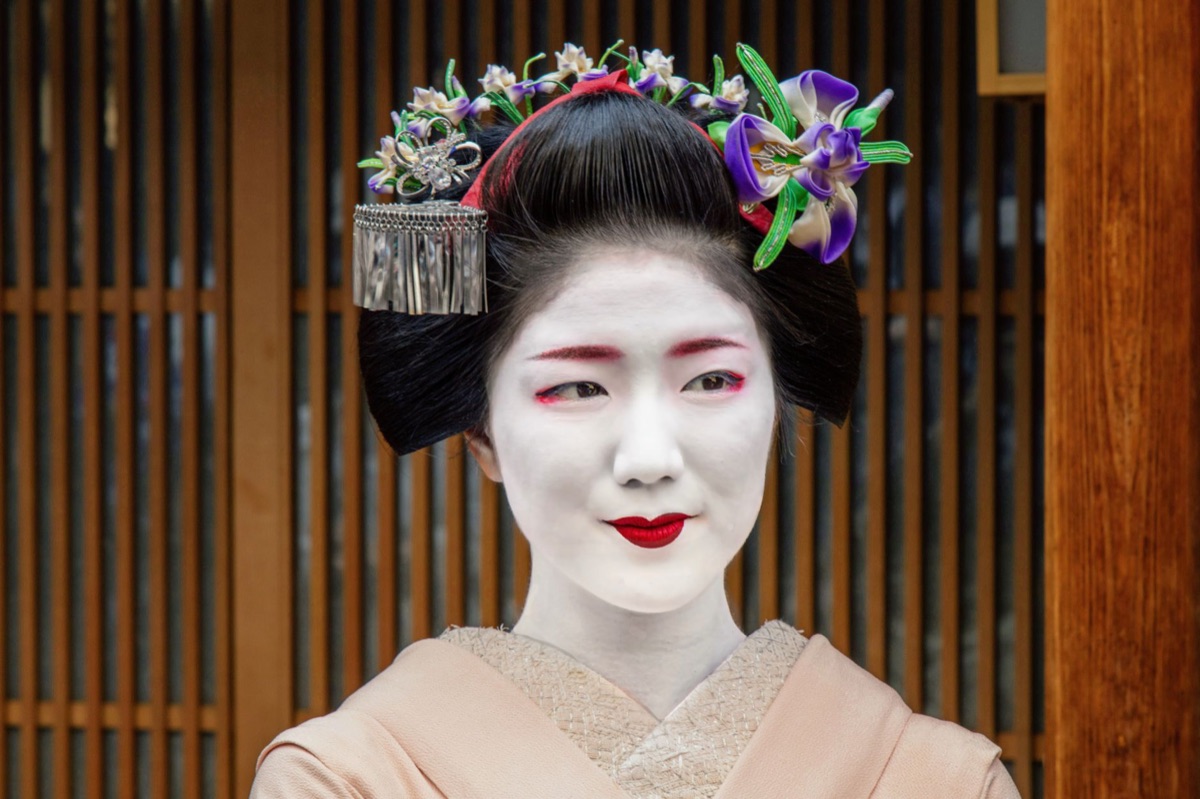
Ryokan vs. Resort: What is Your Travel Vibe?
The sliding wooden door of a traditional guest house creaks softly in the hallway as you step onto the tatami mats. The air smells faintly of cedar and incense, and the only sound is the distant trickle of a stone water basin in the garden.
A Ryokan is an immersion into Japanese tradition. These are often smaller, more intimate establishments where hospitality is an art form. You aren't just booking a room; you are booking a ritual of service, including kaiseki meals and the meditative experience of an onsen.
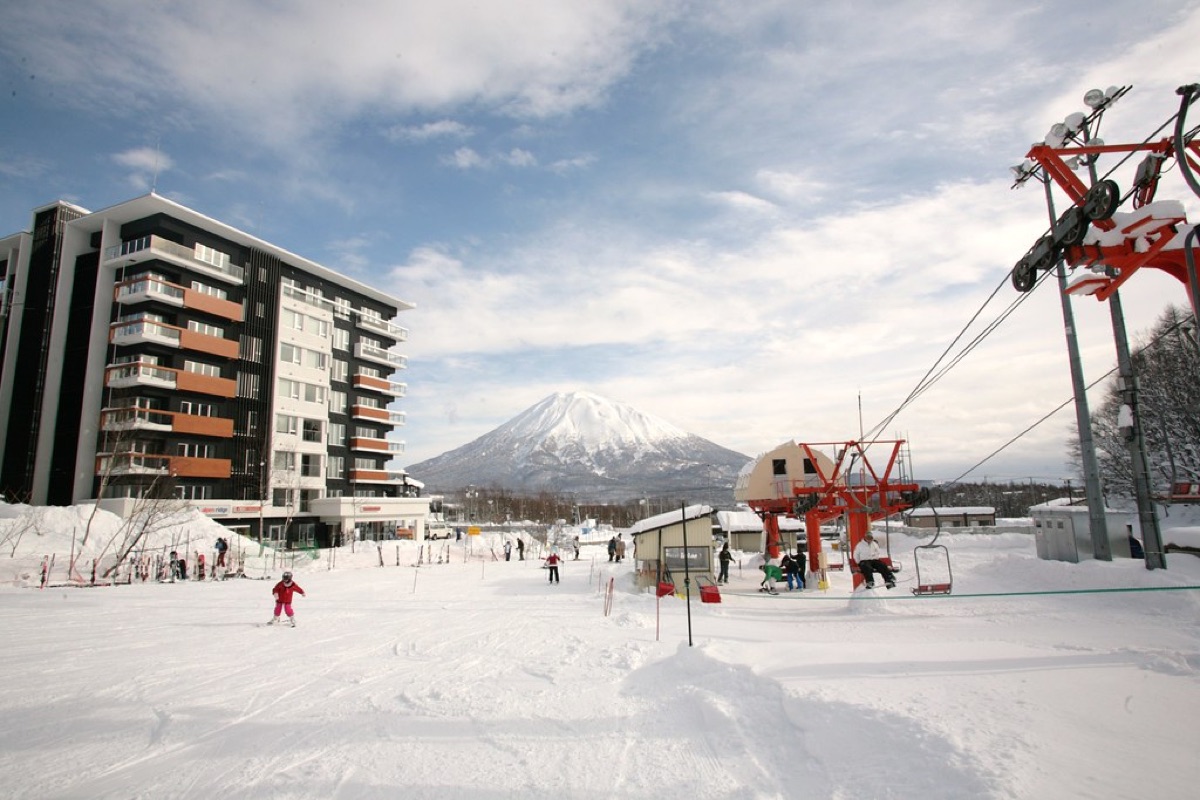
A Resort, conversely, is built for flexibility and volume. These are often large-scale facilities located in areas like Niseko or Furano, offering bundled activities like ski passes, swimming pools, and diverse dining options.
They are designed to cater to families or groups with varying energy levels.
| Feature | Traditional Ryokan | Modern Resort |
|---|---|---|
| Primary Focus | Quietude & Cultural Ritual | Activity & Convenience |
| Room Style | Tatami mats, futons, low tables | Western beds, spacious layouts |
| Dining | Multi-course Kaiseki in-room | Buffet or multiple on-site restaurants |
| Best For | Couples, solo travelers, peace-seekers | Families, ski enthusiasts, large groups |
If your goal is to slow down and witness the meticulous details of Japanese life, the Ryokan is your match. If you want to maximize your "doing" time—skiing in the morning and hitting a buffet in the evening—the Resort is the winner.
But choosing a room type is only half the battle; you also have to contend with the weather.
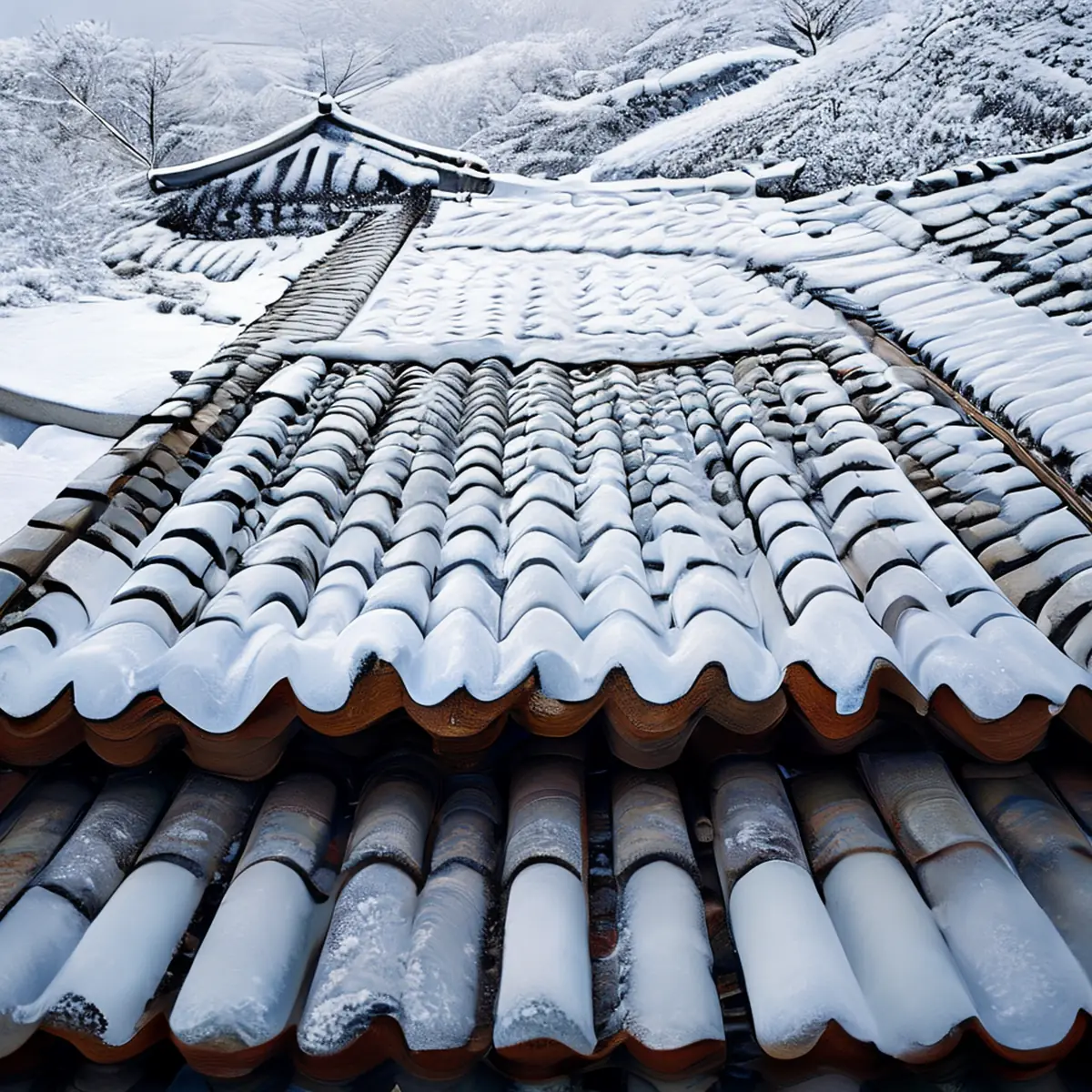
Why does the season change everything?
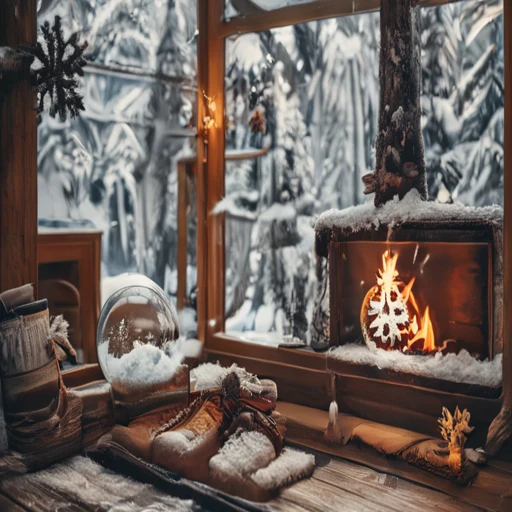
The morning sun hits a blanket of white powder so thick it looks like whipped cream, masking the ground entirely. You pull on your boots, looking out at a landscape that has to be cleared by 7:00 AM to keep the paths open.
In winter, the focus shifts to the "white gold" of Hokkaido. The appeal of a winter stay lies in the powder snow, the magic of snow festivals, and the warmth of an outdoor onsen while snowflakes drift around you.
Lodging in winter needs to be strategic; you either want to be right on the slopes or in a cozy town with easy access to winter festivities.
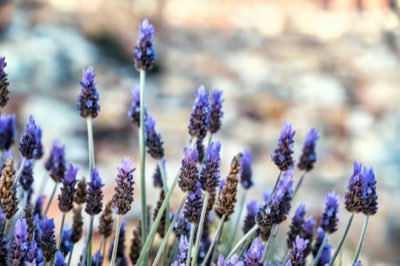
In summer, the landscape changes to a vibrant tapestry of colors. The appeal shifts to the blooming lavender fields of Furano and the refreshing breeze of coastal drives. During these warmer months, your lodging needs to act as a gateway to the expansive plains and flower gardens.
The "shoulder seasons"—late spring and late autumn—offer beautiful scenery but can be unpredictable. Planning your stay around the peak of the snow or the peak of the bloom is essential to seeing the Hokkaido you see in postcards.
However, even with the perfect season, you might find yourself stuck in a car for hours.
How much travel time are you actually signing up for?
You sit in the driver's seat of a rental car, checking the GPS as the road stretches toward a distant, hazy mountain range. The sheer scale of the landscape makes the planned two-hour drive look deceptively short on the map.
Hokkaido is massive, covering 83,423.84 km2 (32,210.12 mi2), making it the second-largest island in Japan. Because of this vastness, logistics are the most critical part of your planning.
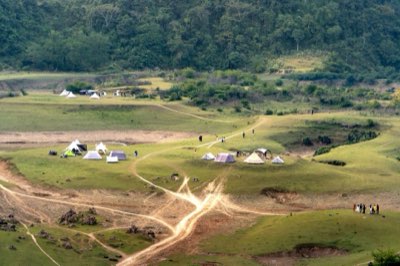
A rental car is often essential, especially if you want to visit remote onsen towns or the sprawling flower fields of the Tokachi or Ishikari Plains.
Without a car, you are limited to major hubs. However, if you are staying in a city like Sapporo, a "base camp" approach using the JR train system is much more efficient.
The "gap" feeling is common: travelers often realize too late that a destination that looks "close" on a map is actually a long, winding drive away. Always plan for more travel time than you think you need, especially in winter when snow can slow everything down.
But once you arrive, how do you handle the food?
Will your lodging satisfy your appetite?
The steam rises from a bowl of rich, dark miso ramen, the aroma of savory broth filling the small, wooden dining room. You take your first sip, feeling the warmth spread through your chest as the local flavors hit your palate.
Your choice of lodging heavily influences your culinary journey. A Ryokan often provides a curated, high-end dining experience where the menu changes daily to reflect local seasonal ingredients. This is where you might encounter delicate seafood or specialized beef.
A Resort offers more convenience, often featuring large buffets or multiple restaurant options to suit different tastes. However, staying in a local town allows you to step out and find specialized local gems like Soup Curry in Sapporo or fresh dairy products in the farm regions.
Hokkaido is a culinary powerhouse. Whether it is the dairy from the vast grazing lands or the fresh catch from the coast, your lodging should ideally put you in the path of these flavors.
Integrating local elements, such as Ainu-inspired aesthetics or regional delicacies, can turn a simple meal into a highlight of your trip.
How do you make the final decision?
You look over your itinerary one last time, weighing the quiet of the mountains against the excitement of the city. The decision isn't about right or wrong, but about which version of yourself you want to be on this trip.
When I was planning my own trip in late 2025, I struggled to decide between a luxury ryokan in Jozankei and a ski resort in Niseko. I eventually realized that my energy levels would dictate my happiness more than the price tag.
To make your final choice, follow this checklist:
- Identify your primary goal: Are you seeking "Deep Relaxation and Culture" or "Active Adventure and Family Fun"?
- much as I love a quiet room, if you are traveling with kids, a Resort is often more practical for logistics.
- Check your mobility: If you are moving frequently between towns, look for a City-based Hotel/Resort in a hub like Sapporo to minimize transit.
- Evaluate your budget depth: Are you looking for an all-inclusive "destination" stay (Ryokan) or a "base camp" to launch daily adventures (Resort)?
- Confirm seasonal access: Ensure your chosen location has direct access to the specific seasonal attraction (snow or flowers) you are traveling for.
Budgetary Scaling Luxury in a Ryokan is often an all-inclusive price point that covers your room and multiple gourmet meals. In contrast, Resort pricing can be more modular, allowing you to scale your spending based on how many activities or extra meals you add.
Ask yourself: Are you looking for a "destination" where the hotel is the main event, or are you looking for a "base camp" to launch your daily adventures? Your answer will lead you to the right door.


Comments 0