Niseko powder ski safety tips: Guide for heavy snow travel
"The heavy snow of Hokkaido can turn a scenic drive into a dangerous challenge in an instant."
Securing a safe journey through the snowy landscapes of Hokkaido requires preparation and cautious driving techniques. This guide provides essential Niseko powder ski safety tips for travelers navigating heavy snowfall and icy roads.
Key takeaways include vehicle preparation, understanding winter road conditions, and maintaining situational awareness to avoid accidents.
How can you master Niseko powder ski safety tips?
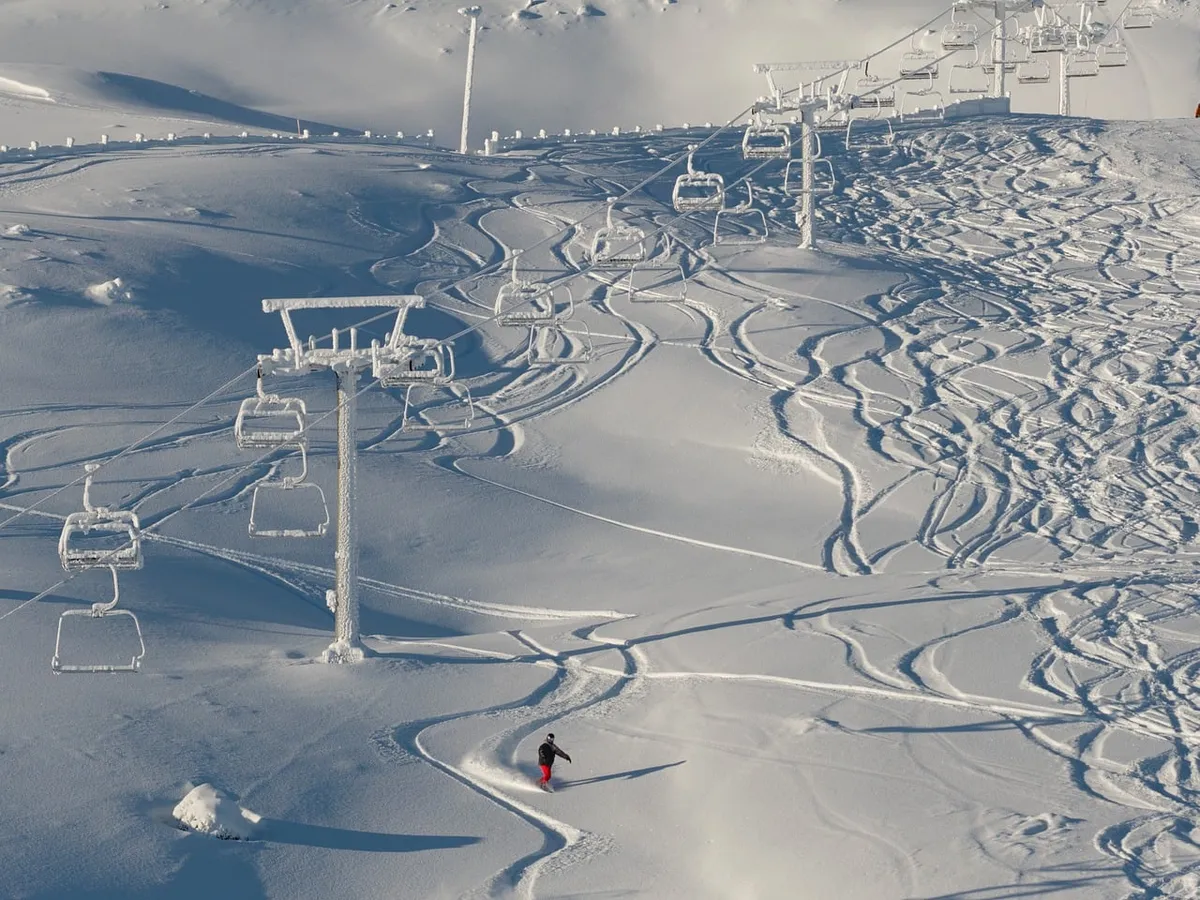
At dawn, a traveler grips a heavy shovel while shivering in the bitter Niseko cold.
A driver grips the steering wheel tightly as the windshield wipers struggle against a sudden flurry of white powder. The road ahead disappears into a wall of white, making visibility a primary concern for anyone traveling to the mountains.
To maintain safety, drivers should focus on vehicle readiness and slow, deliberate movements. A Safe powder skiing guide would suggest that preparation begins long before you hit the mountain pass.
Ensuring your vehicle is equipped with appropriate winter tires is the first step in managing low-traction environments.
When the snow accumulates, you must adjust your speed to match the visibility and road grip. This approach helps in managing the risks associated with sudden changes in terrain.
- Assess the local avalanche risk before heading out.
- Carry essential backcountry rescue gear.
- Familiarize yourself with the terrain layout.
How can I stay safe on snowy slopes? The car tires crunch over a fresh layer of snow as the vehicle slowly climbs a steep incline. The driver watches the speedometer closely, keeping the pace low to prevent sliding on the slick surface.
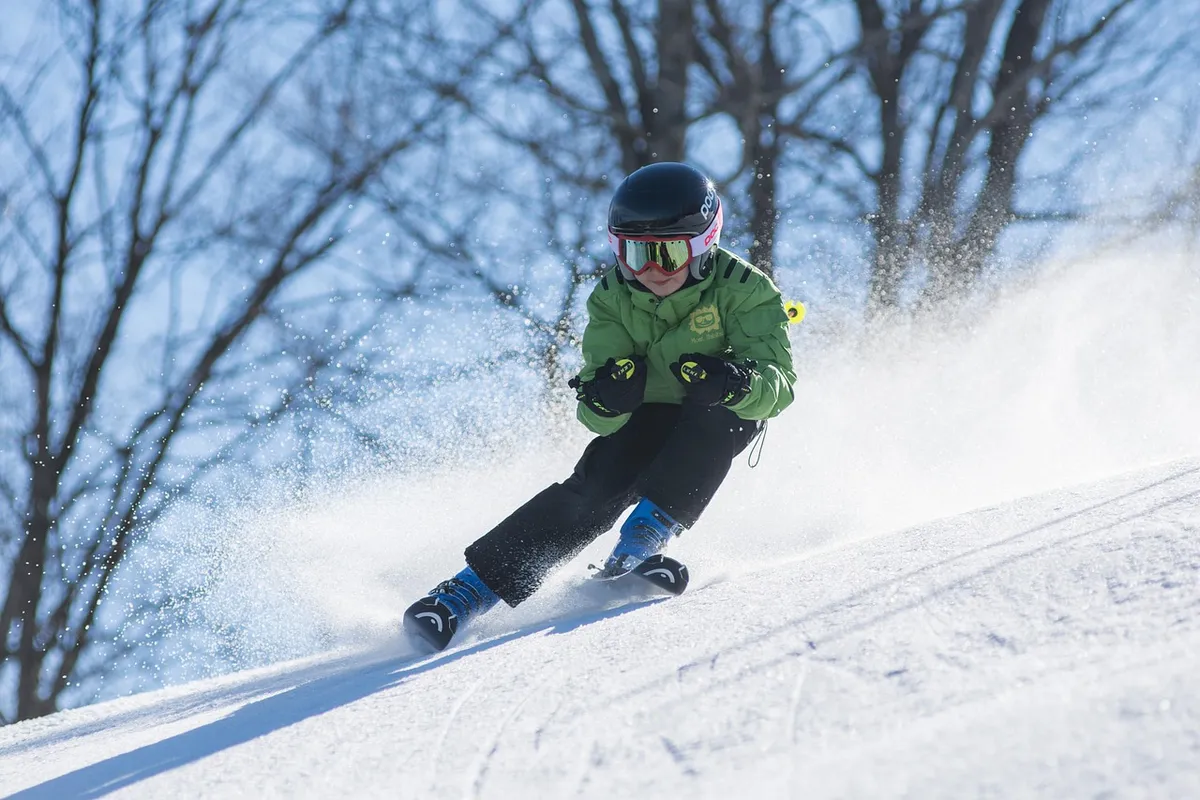
Understanding the difference between packed snow and deep powder is vital for anyone driving in this region. You must recognize that traction levels can change from one minute to the next.
* Check tire tread depth regularly. * Keep a shovel and ice scraper in the trunk. * Maintain a significant following distance.
When the road becomes unpredictable, sudden braking can lead to a loss of control. I remember checking my tire pressure twice before heading out to ensure the rubber would grip the icy patches.
In this sequence, the second step is the most critical.
What are the best ways to ride powder? The headlights cut through the dark, illuminating a thick blanket of snow covering the shoulder of the road. The driver decides to pull over to a safe area to check the weather forecast.
Driving in heavy snow requires a different mindset than standard highway travel. You should anticipate that visibility may drop to near zero at any moment.
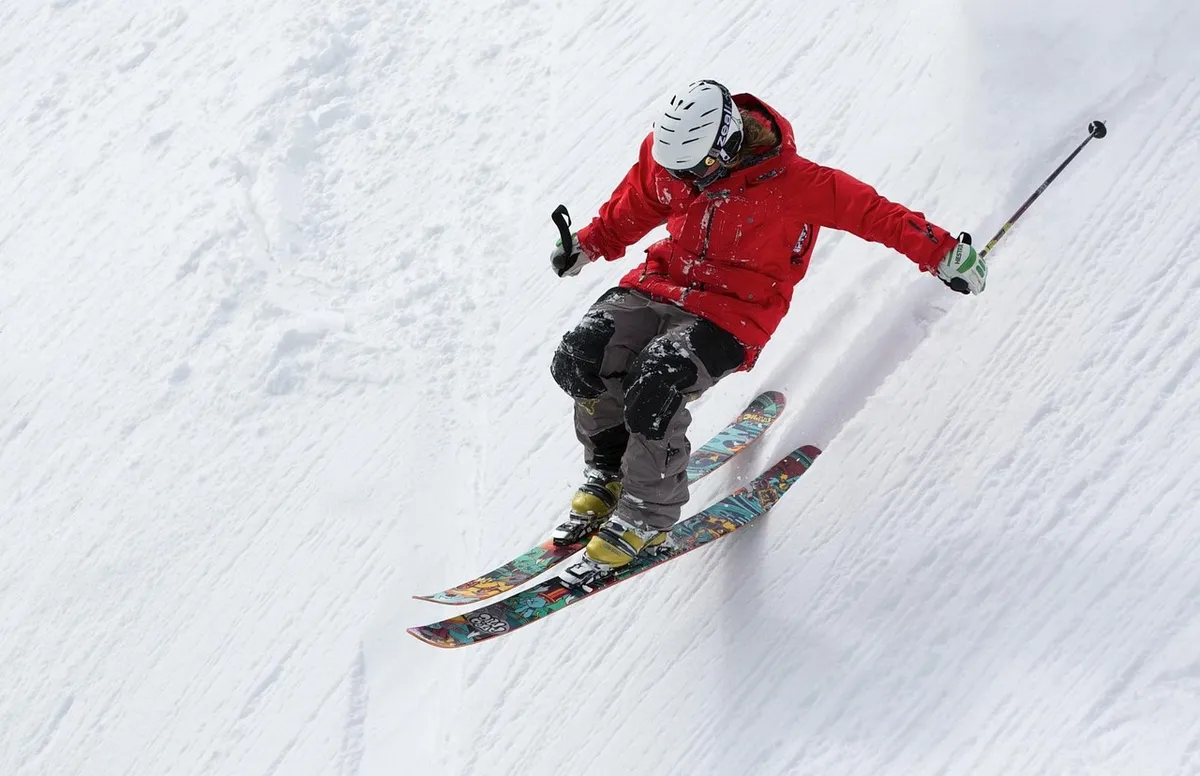
* Use fog lights to improve visibility. * Avoid using cruise control on slippery roads. * Keep windows clear of frost at all times.
It is important to stay calm when the vehicle begins to slide. Instead of overcorrecting, gentle steering adjustments help maintain the intended path.
Winter trip driving awareness
A traveler sits in the passenger seat, watching the snow pile up against the side windows. The driver keeps a steady hand, eyes scanning the road for hidden obstacles beneath the white layer.
Maintaining a high level of winter trip driving awareness means staying alert to the movements of other vehicles. In areas with heavy snowfall, pedestrians and local traffic may behave unexpectedly.
The concept of powder ski safe driving involves more than just managing the car; it involves managing your own fatigue. Cold temperatures and low visibility can lead to drowsiness, so regular breaks are necessary.
How to manage snow travel safety advice?
The engine idles quietly while the driver waits for the cabin to warm up. Outside, the wind howls, kicking up clouds of powder that obscure the road signs.
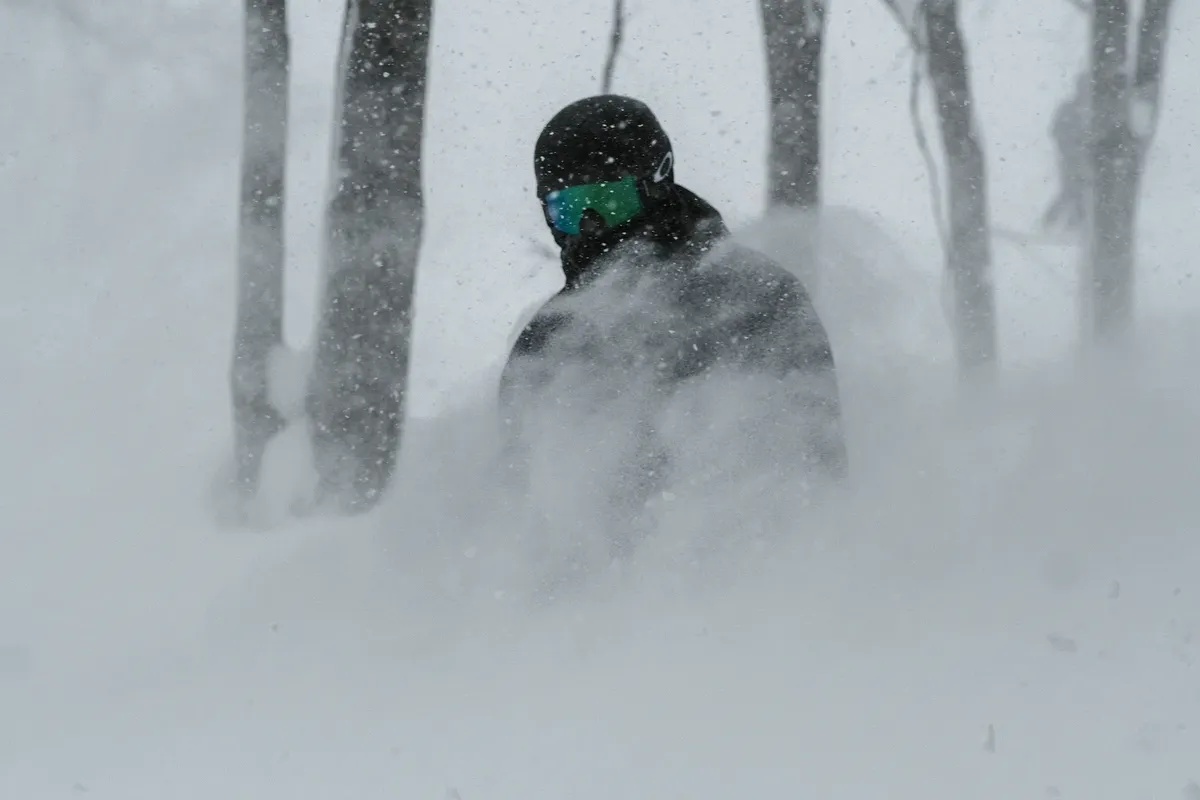
Effective snow travel safety advice focuses on the reality of the environment. You cannot control the weather, but you can control your response to it.
One major limitation is that even the best winter equipment cannot overcome extreme whiteout conditions where visibility is completely lost.
The subject here is Niseko powder ski safety tips.
The same subject is also called Niseko winter travel tips.
This part also covers Navigating snowy slopes safely.
This part also covers Best practices for powder runs.
Related
- Ainu culture historical roots: 23,782 people shaped history
- Furano lavender camping guide: Top locations for views
What precautions should be taken regarding the heavy snow?
The heavy snow demands that the driver remains highly attuned to the road surface beneath the fresh accumulation. Drivers must proceed with the understanding that the snow layer dictates the current traction available to the tires.
This awareness is crucial because the road conditions shift rapidly with temperature and compaction.
When encountering heavy snow, the vehicle's mechanical components must be ready to perform optimally. This readiness extends beyond the tires to include wipers and heating systems, which must function reliably against the elements.
Slow, controlled movements are the direct result of acknowledging the heavy snow and its effect on the road surface. Speed must be sacrificed for control when the environment presents such a significant challenge.
When is the vehicle most vulnerable during the journey?
The vehicle is most vulnerable when the driver becomes complacent about the road conditions or when the mechanical systems fail under the strain of the weather. The heavy snow presents a constant threat, demanding constant driver input to counteract its effects on traction and visibility.
Drivers must remember that the initial preparation phase is not truly over until the journey is complete. The commitment to safety must persist through the most difficult driving conditions encountered while surrounded by heavy snow.
Therefore, the driver must treat every phase of the drive as if the conditions are at their worst, acknowledging the potential for rapid environmental shifts.



Comments 0