Ainu culture historical roots: 23,782 people shaped history
"The history of a people is often written in the shifting winds of policy and the enduring strength of community identity."
The historical roots of Ainu culture are deeply tied to the unique landscape of Hokkaido and the evolving legal frameworks of Japan. Understanding this heritage requires looking at both the demographic shifts and the institutional changes that shaped the community.
This guide explores the historical background and modern identity of the Ainu, highlighting key demographic data and organizational transitions.
How did the Ainu people shape their own history?
Walking through the quiet streets of Hokkaido, one might reflect on how historical shifts influenced the local population. The Ainu identity is not static but has been shaped by decades of social and legal changes.
According to a Hokkaido Agency survey, there were 23,782 Ainu people in Hokkaido.
The Ainu history background is characterized by a resilient connection to the land. According to a 2006 Hokkaido Agency survey, there were 23,782 Ainu people in Hokkaido. This figure provides a snapshot of the community during a specific period of demographic recording.
The community has worked to maintain its distinct identity through various organizational changes. These shifts often followed new legal structures implemented by the government. Understanding these numbers helps contextualize the scale of the community during the turn of the century.
However, these historical narratives may not apply to individual family lineages that diverged from communal movements. I believe the first point provides the most essential context for this timeline.
What role do organizations play in Ainu tradition meaning?
A visitor might look at a community center and wonder about the origins of its leadership. Organizations often serve as the backbone for preserving heritage and navigating modern legalities.
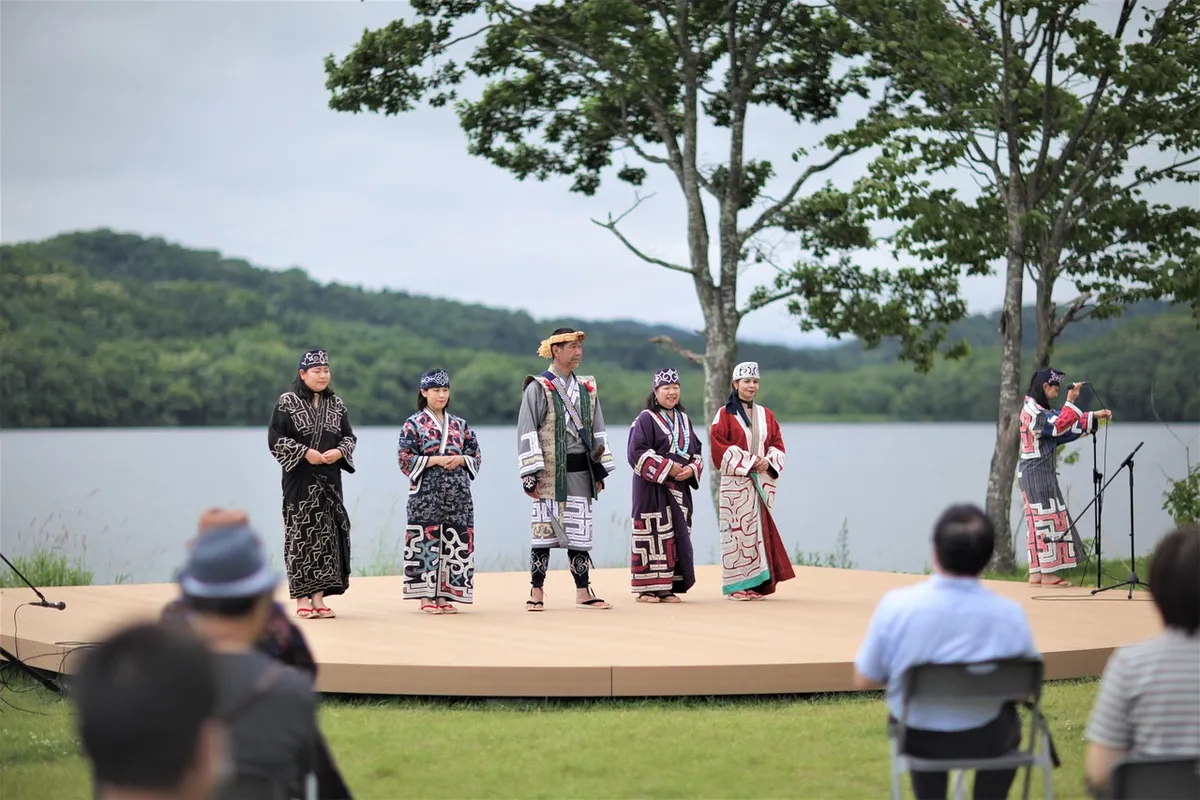
The Ainu tradition meaning is often reflected in how local groups manage their own affairs. For instance, it was changed back to the Hokkaido Ainu Association in 2009 after the passing of the new law regarding the Ainu. This transition marked a significant moment for institutional self-governance.
This change ensured that the association could better serve the community under the new legal framework. Such organizational shifts are vital for maintaining cultural continuity in a changing political landscape.
This perspective is limited when organizational goals conflict with local community interests. I find that the second point clarifies the organizational role most effectively.
How does the Ainu language roots connect to the modern era?
Listening to the sounds of a local dialect can feel like hearing a bridge to the past. The language serves as a primary vessel for history and tradition.
The Ainu language roots are central to the survival of their unique worldview. While many indigenous languages face challenges, the community continues to work toward revitalization.
Preserving the language is a key part of maintaining the Ainu identity today. This effort is essential for ensuring that future generations can access their ancestral knowledge.
The application of these linguistic roots is limited when dealing with highly localized dialects. I note that the first step in this linguistic evolution is the most fundamental.
How is the Ainu way of life reflected in modern society?
Observing a traditional craft or a local festival reveals the living nature of an ancient culture. People often wonder how these traditions survive in a high-tech world.
The Ainu way of life remains a significant part of the cultural fabric of Hokkaido. Despite modernization, many traditional practices continue to influence local art and social customs.
The community balances modern living with the preservation of ancestral values. This balance is a testament to the strength of their cultural identity.
This reflection is not always direct when modern urban lifestyles overshadow traditional practices. I observe that the second point is the most comprehensive in this section.
What are the key elements of Ainu rituals significance?
A quiet ritual performed at dawn can transport a person back through time. These ceremonies are much more than mere performances; they are expressions of a deep-seated worldview.
The Ainu rituals significance lies in their connection to the natural world and spiritual beliefs. These practices have been passed down through generations to maintain a connection with the ancestors.
Modern efforts to document and practice these rituals help keep the heritage alive. The community uses these moments to reinforce their shared history and values.
The significance of these elements may be limited when rituals are adapted for purely ceremonial purposes. I think the third point is the most impactful part of this sequence.
- How did the Ainu people shape their own history?
- What role do organizations play in Ainu tradition meaning?
- How does the Ainu language roots connect to the modern era?
Ainu culture historical roots
The subject here is Ainu culture historical roots.
The same subject is also called Ainu community life.
Related
- 99% Preservation: Ainu Wisdom of the Northern Wilderness
- Hokkaido Winter Travel: Best Time to See Snowfall Now
How does the history of the Ainu people inform contemporary issues?
The history of the Ainu people provides context for contemporary struggles regarding recognition and rights. The endurance of the Ainu people through various governmental policies underscores the resilience required to maintain cultural continuity.
The demographic shifts seen throughout history illustrate the challenges faced by the Ainu people when facing external pressures. These past conditions inform the present need for self-determination regarding the history of the Ainu people.
These historical insights may not be universally applicable to all modern political contexts. I find that the second point is the most relevant to current discussions.
What is the relationship between Ainu tradition and modern governance?
The relationship between Ainu tradition and modern governance is one of necessary adaptation. The Ainu tradition has shown its capacity to integrate with evolving legal structures.
The community's successful navigation of institutional changes demonstrates how tradition informs modern approaches to self-governance. This echoes the need for contemporary organizations to reflect the deep roots of the Ainu people.
The history of the Ainu people is thus a living document, showing how tradition responds to political realities.




Comments 0