Ramen origin in Japan: 20 days distribution system guide
"In 1948, the aroma of wheat-based noodles rose from the steam of black market stalls, serving as a vital lifeline for a nation navigating post-war scarcity."
The history of ramen in Japan is rooted in the necessity of survival and the adaptation of wheat during periods of food instability. This guide explores how a foreign-influenced dish transformed into a national staple through historical necessity and cultural evolution.
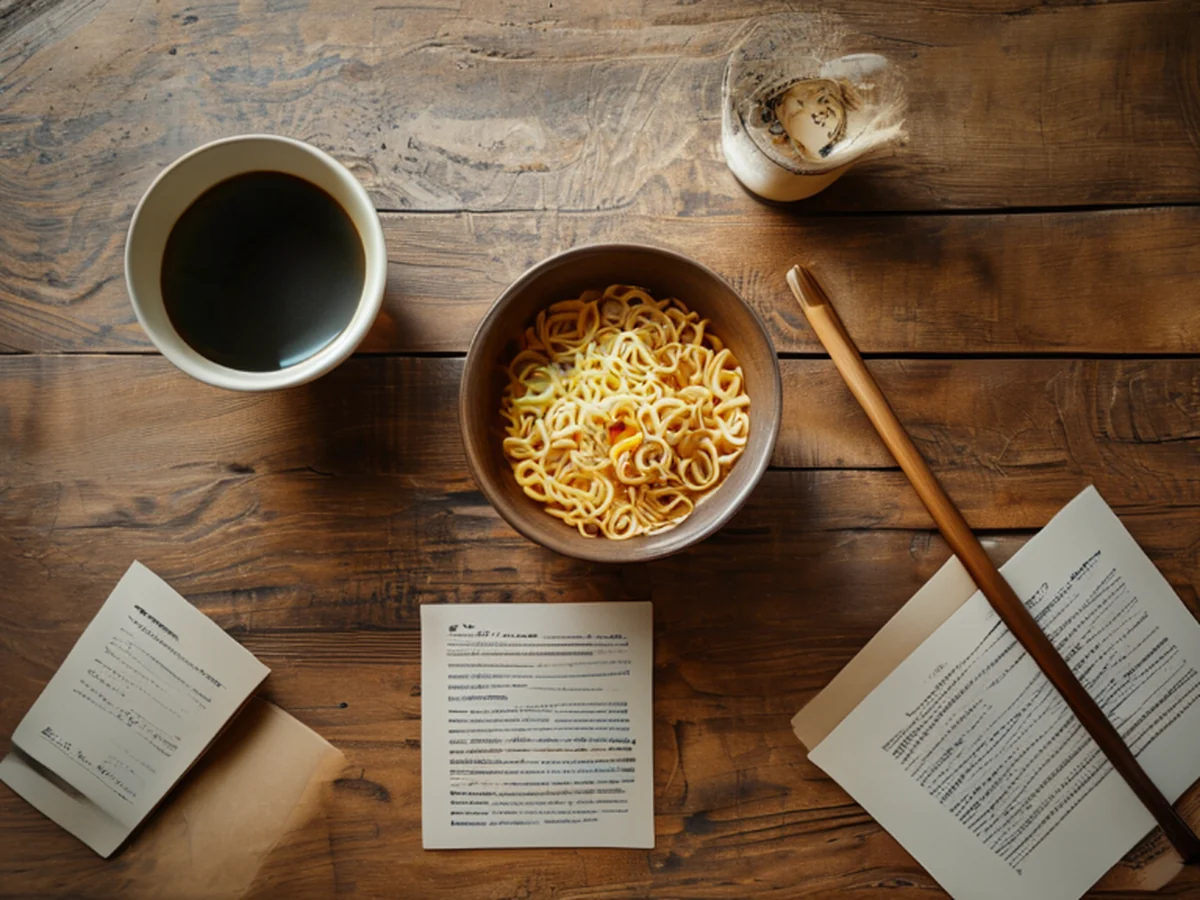
Key takeaways include the role of wheat in post-war survival, the transition from street stalls to museum-preserved legacies, and the influence of historical food distribution challenges on noodle consumption.
How did wheat shape the Ramen origin in Japan?
At a crowded black market stall during the post-war era, the hungry patron inhaled the heavy scent of steam rising from a bowl of ramen.
A vendor stirs a heavy pot of broth in a crowded, narrow alleyway while patrons gather around the steam. In the period between 1948 and 1951, Japanese bread consumption rose significantly from 262,121 tons to 611,784 tons.
During this era, wheat also became a fundamental component of ramen, which many people consumed at black market food vendors to survive.
This reliance occurred because the government food distribution system ran about 20 days behind schedule, making accessible wheat-based meals essential. The ramen origin in Japan was thus tied to the immediate need for calorie-dense, accessible food during a time of systemic instability.
This historical context explains why the dish moved from a niche meal to a widespread necessity.
Where can I find the legacy of original shops? A visitor walks through a curated hall, looking at vintage signage and old-fashioned kitchenware. In 2020, the original Rairaiken was re-opened as a store inside the Shin-Yokohama Rāmen Museum.
This move was led by Ozaki's grandson and great-great-grandson to maintain the lineage of the historic establishment.
The Shin-Yokohama Rāmen Museum, located in the Shin-Yokohama district of Kōhoku-ku, Yokohama, serves as a dedicated space for the history of this food. This museum preserves the transition of the dish from its early forms to its modern cultural status.
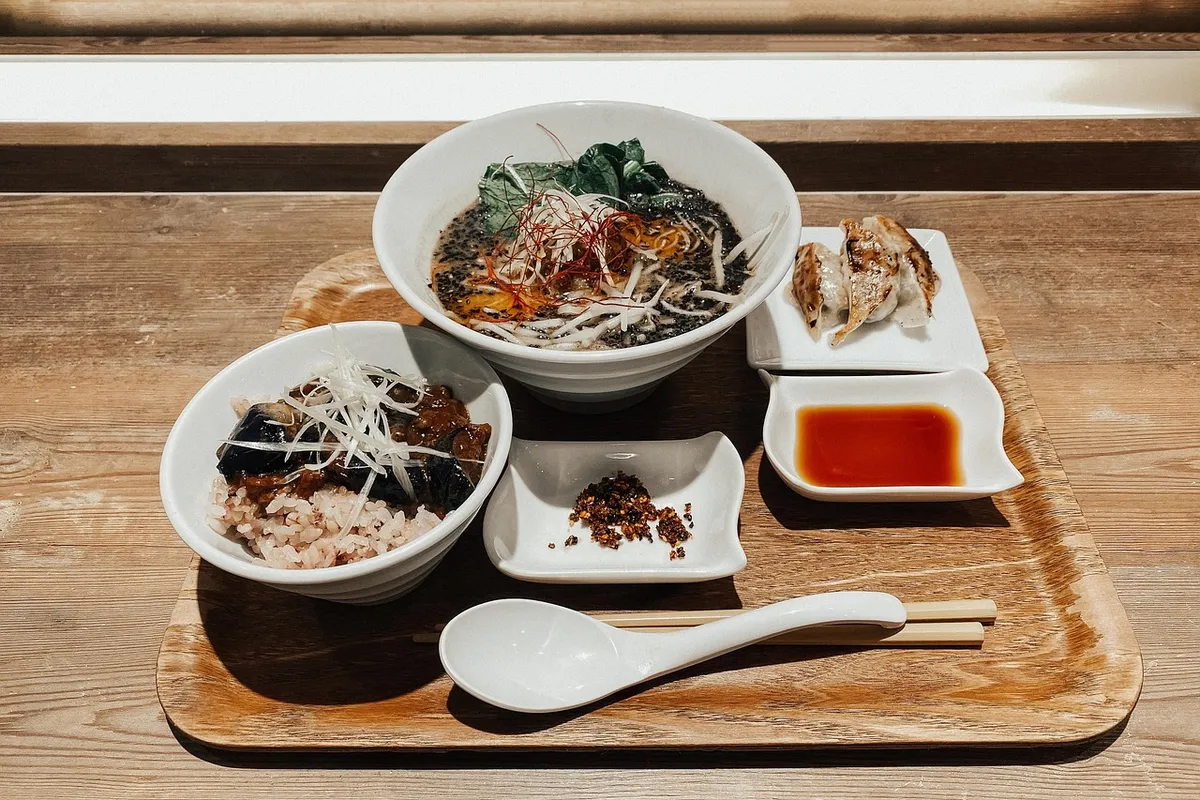
The museum provides a physical connection to the past, ensuring that the roots of the noodle remain visible to new generations.
What defines the history of Japanese noodles? A chef carefully pulls long strands of noodles from a boiling vat of soup. While the modern version of the dish is diverse, the Japanese noodle history is built upon the adaptation of wheat and local tastes.
The movement from simple survival meals to complex, specialized flavors represents the evolution of the cuisine.
Earlier iterations were often tied to the availability of ingredients in local markets. As the availability of wheat stabilized, the techniques used to prepare the noodles became more sophisticated.
This shift allowed for the diverse regional styles that exist today, moving away from the simple necessity of the post-war era.
How did cultural roots influence the food?
A family sits around a small table, sharing a steaming bowl of noodles. The deep ramen origins are often studied through the lens of how foreign ingredients were integrated into local dining habits. This integration allowed the dish to transcend its initial status as a mere survival food.
The transition involved moving from black market stalls to established restaurants. This evolution reflects a broader change in Japanese society as it moved from post-war recovery to economic stability.
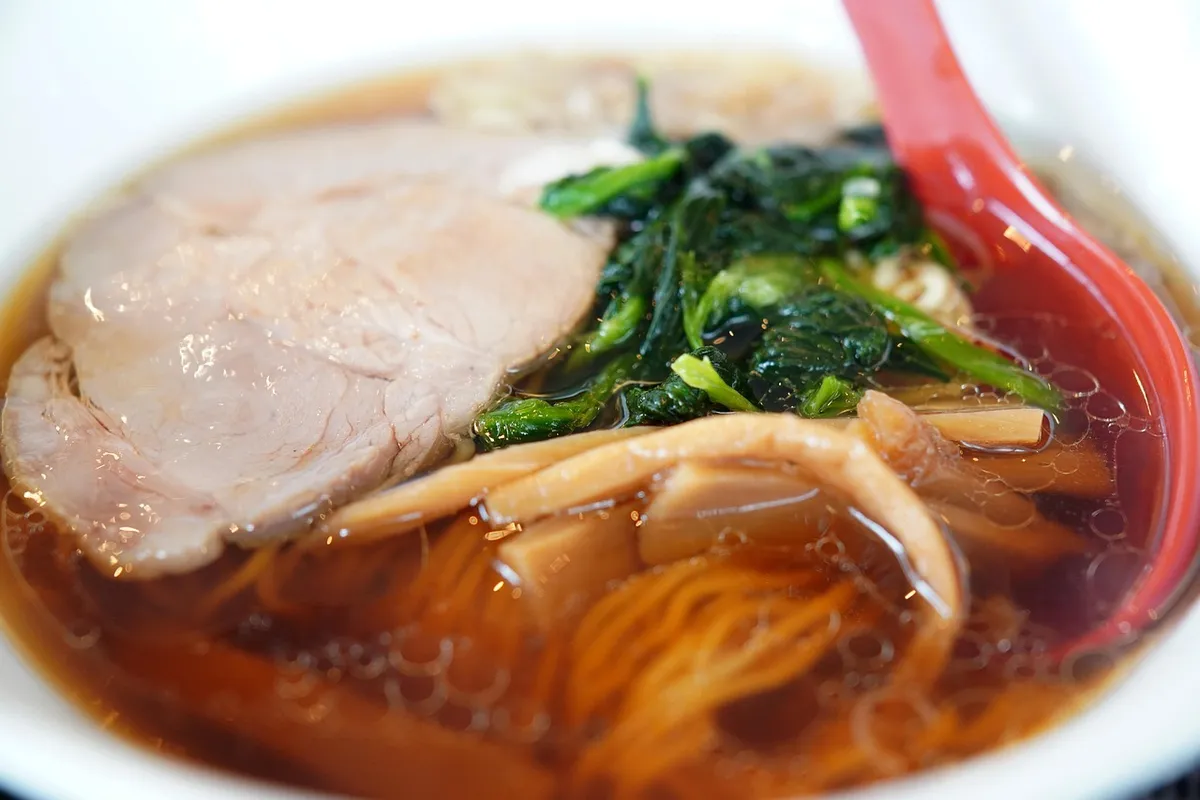
The cultural roots of the dish are inseparable from the history of the people who consumed it during times of change.
What are the characteristics of Old noodle food Japan?
A craftsman examines a vintage noodle press used in a traditional shop. Exploring old noodle food Japan reveals how much the preparation has changed over the decades. What once was a quick, affordable meal at a street stall has become a highly specialized culinary art form.
The shift in ingredients and preparation techniques mirrors the economic growth of the country. While the core components of wheat and broth remain, the complexity of the flavors has increased significantly.
Understanding these changes helps clarify how a simple meal became a pillar of the national diet.
Deep dive into ramen through modern perspectives
A researcher looks through old photographs of food stalls in a quiet library. A deep dive into ramen reveals the interplay between historical scarcity and modern culinary innovation. The journey from 1948 to the present day shows a remarkable resilience in food culture.
The diversity of the dish today is a testament to its ability to adapt to different eras. While the original versions were born of necessity, modern versions are often born of culinary creativity. This duality defines the unique position of the dish in the global food landscape.
Comparison of historical consumption and modern museum presence
| Aspect | Post-War Era (1948-1951) | Modern Museum Era (2020) |
|---|---|---|
| Primary Context | Survival at black market stalls | Preservation at Shin-Yokohama Rāmen Museum |
| Key Ingredient | Wheat used for survival | Re-opening of original Rairaiken |
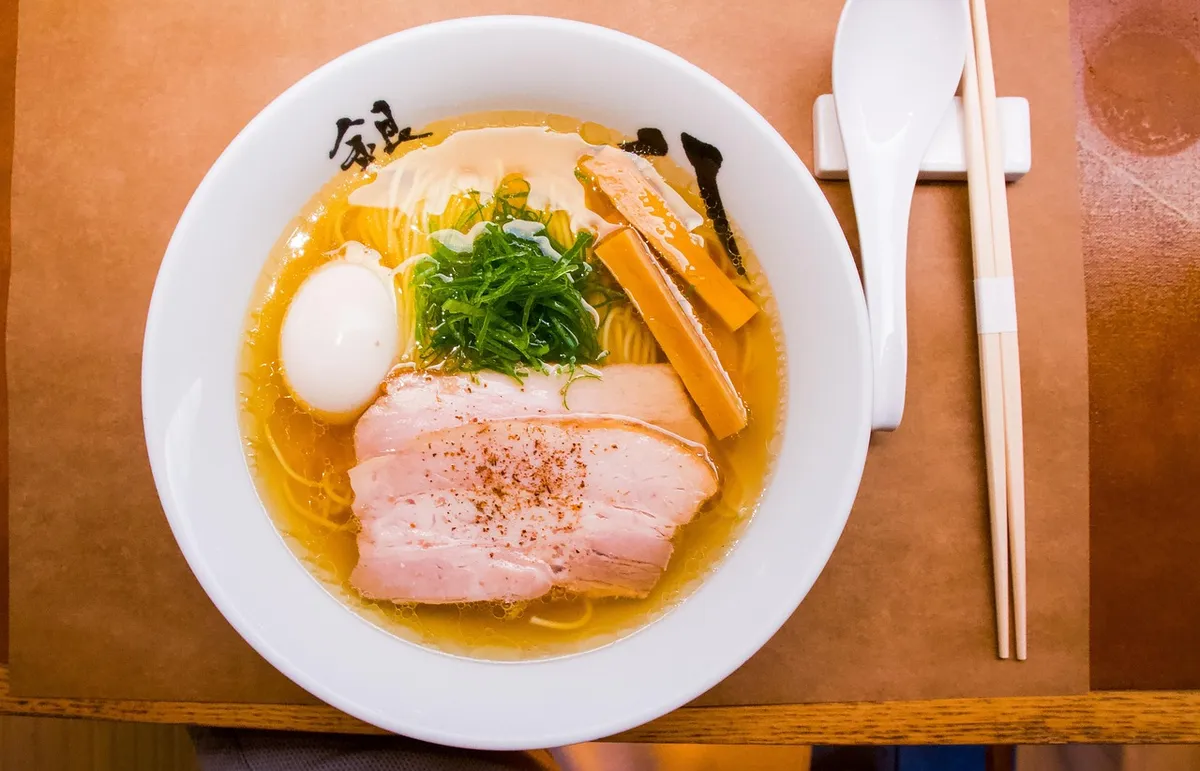
I observed how the lineage of the original Rairaiken was preserved through the efforts of Ozaki's grandson and great-great-grandson.
A limitation of this historical overview is that it focuses on the transition of wheat-based noodles and does not account for all regional variations of noodle-making during the post-war period.
- How did wheat shape the Ramen origin in Japan?
- Where can I find the legacy of original shops?
- What defines the history of Japanese noodles?
The same subject is also called Ramen cultural roots.
This part also covers Traditional Japanese meal.
This part also covers Taste of ancient Japan.
Related
How did the aroma of wheat survive the transition?
- The aroma of wheat, initially present in black market stalls, signaled the immediate availability of sustenance during times of severe scarcity. 2. The initial reliance on wheat-based noodles was a direct response to the logistical failures of the official food supply chain. 3. This early presence of the aroma marks the dish's roots in the harsh realities of post-war Japan.
What caution must be taken regarding the modern preservation?
- While the museum setting preserves the physical form of the dish, it contrasts sharply with the volatile conditions of its origins. 2. The modern presentation, while reverent, represents a culmination of changes from the initial survival need. 3. The contrast between the two settings underscores the journey from necessity to celebrated cultural artifact.
Wikipedia: Ramen Based on the retained excerpt mentioning Shin-Yokohama Ramen Museum: The Shin-Yokohama Ramen Museum is a museum about ramen, in the Shin-Yokohama district of Kōhoku-ku, Yokohama.




Comments 0