Achieve Powder Perfection: Niseko's 1,243cm Annual Snowfall
"The snow doesn't just fall; it transforms the world into a silent, white kingdom."
If you are looking for the ultimate powder experience, Niseko is the gold standard of the Japanese Alps. It offers a rare combination of massive snow volume and a reliable seasonal cycle that turns every run into a dream.
* Niseko’s massive snow volume makes it a premier global bucket-list destination. * The peak powder window is concentrated between December and February. * Success requires planning for extreme snow depths and specific seasonal weather patterns.
Why Niseko? The Anatomy of Powder Perfection
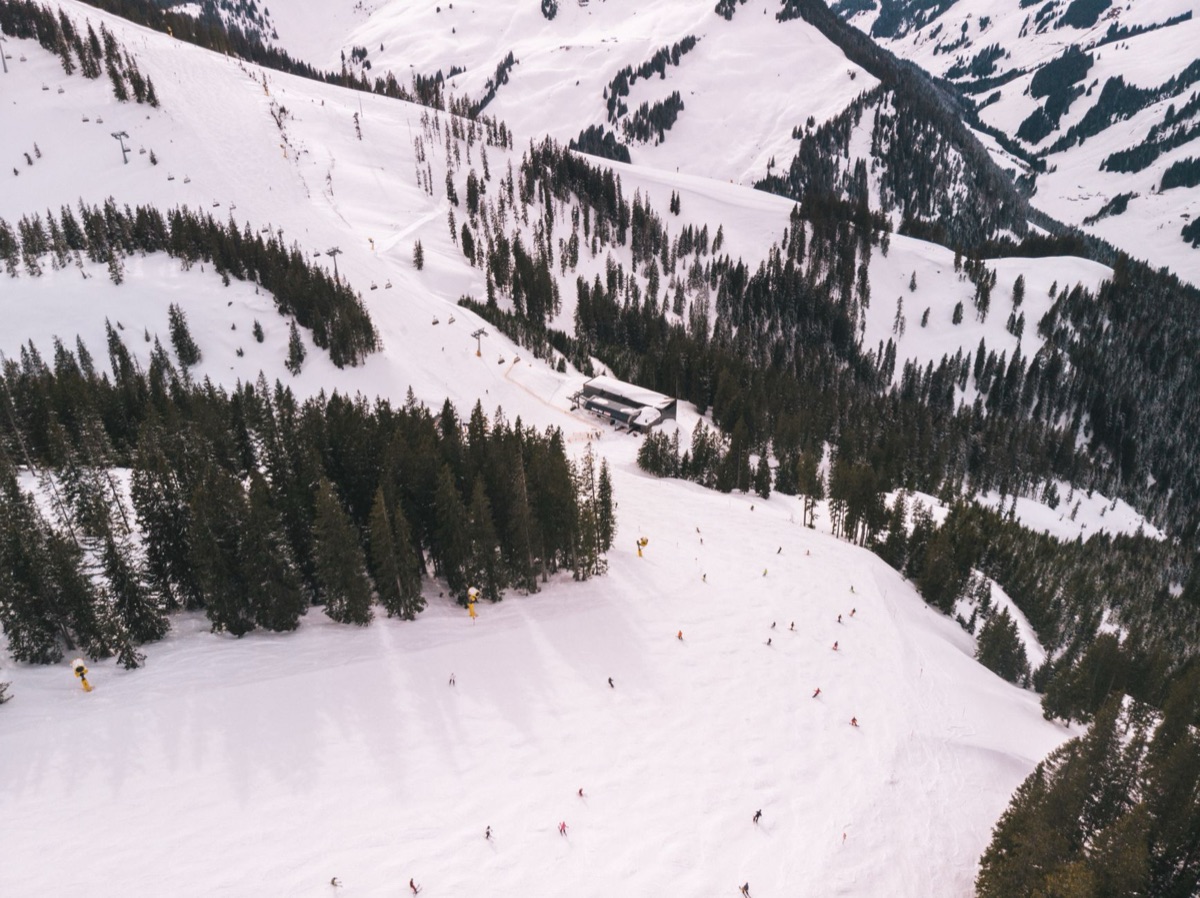
The morning air in Niseko Town is sharp, cutting through layers of Gore-Tex as you strap into your bindings. At 42 degrees 52 minutes north latitude, the atmosphere feels heavy with the promise of fresh snow.
The sheer scale of snow in this region is staggering. While many resorts boast "good" snow, Novermber 2025 saw the start of a massive accumulation cycle that sets the stage for the 2026 season. The area sees a total annual snowfall of 1,243 cm.
This isn't just a light dusting; it is a massive, consistent accumulation that builds a deep, reliable base year after year.
While some regions might have drier snow, Niseko is characterized by high volume. The snow is exceptionally deep, with the average snow depth in March reaching 351 cm (138 inches). This depth ensures that even as the season progresses, the terrain remains transformed.
The most reliable powder arrives during the peak months of December to February, where the region sees more than 25 days of snowfall. This seasonal reliability is why skiers from around the world converge on this specific coordinate in Hokkaido.
But having the snow is only half the battle; you have to survive the environment it creates.
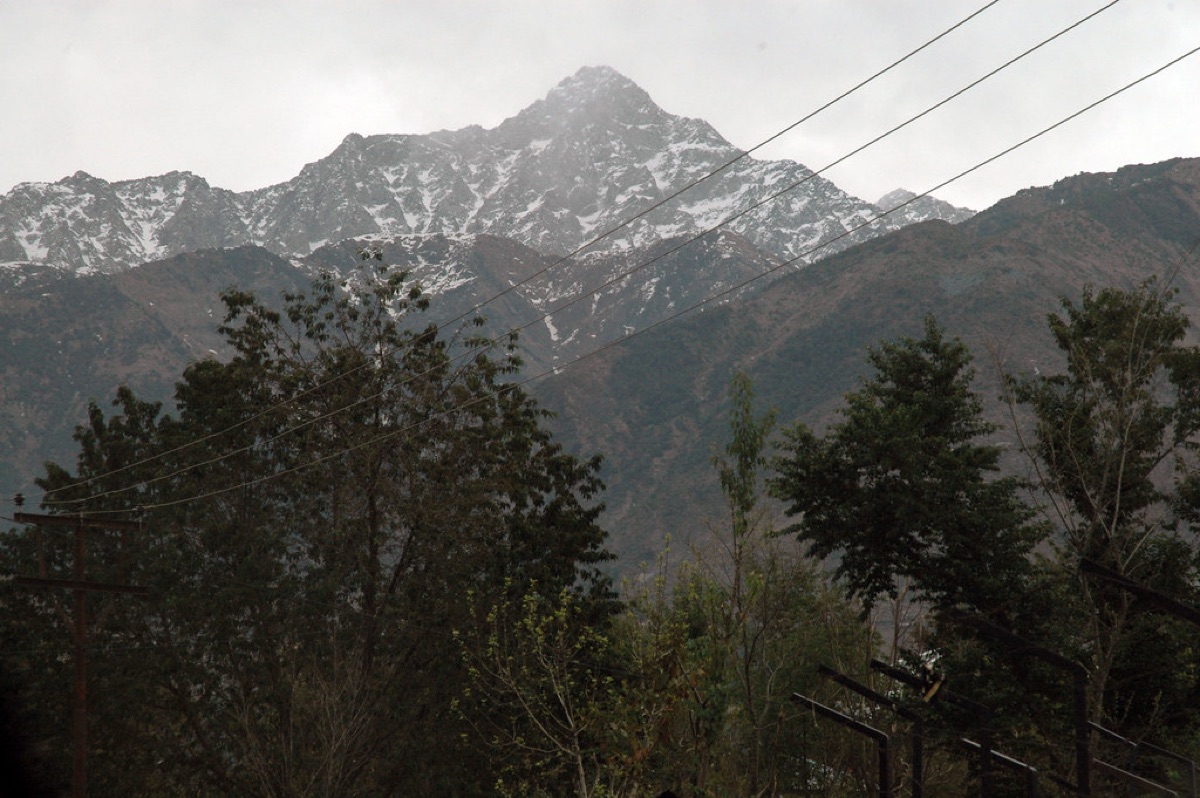
How do I navigate the Hokkaido winter ecosystem? Standing on a chairlift, looking out over a sea of white peaks, you realize that Hokkaido is not just a place you visit; it is a place you inhabit.
Traveling to Niseko is a commitment to a specific type of seasonal immersion. Unlike a quick city break in Sapporo or a stroll through Otaru, a trip to Niseko is about engaging with a heavy winter ecosystem.
The transition from the urban energy of central Hokkaido to the rugged, snow-laden landscapes of Niseko is profound.
Because the snow volume is so high, the local infrastructure—from grooming to transport—must work harder. You aren't just visiting a resort; you are entering a landscape that is constantly being reshaped by the elements.
When I first arrived in the winter of 2025, I realized that the sheer weight of the snow changes how you move through the world. It isn't just a backdrop; it is a physical force.
This requires a mindset of own total immersion, where you prepare for the cold as much as you prepare for the slopes. But how do you actually manage the logistics of such a heavy environment?
How can I master the logistics of my powder journey? The sound of a snowblower idling in a driveway at 6:00 AM becomes the soundtrack of your morning. The cold is a physical presence, a weight you feel against your cheeks.
Logistics in Niseko require careful calculation. The transition from the airport to the mountains involves navigating significant distances and changing weather conditions.
You must account for the annual precipitation, which averages 1,498.5 mm, with the heaviest falls occurring between December and January.
Temperature fluctuations are also a key factor in your planning. While the average annual temperature is 6.7 °C, the winter extremes are much harsher. In January, temperatures can drop to a low of -6.0 °C, creating the perfect conditions for stable, cold powder.
When planning your travel, you must balance the desire for peak snow with the reality of heavy precipitation and low visibility. Ground transport and airport transfers must be planned with the understanding that snow can change travel times instantly.
It is easy to get lost in the logistics, but there is a rhythm to the season if you know how to follow it.
Beyond the Run: Embracing the Full Hokkaido Experience
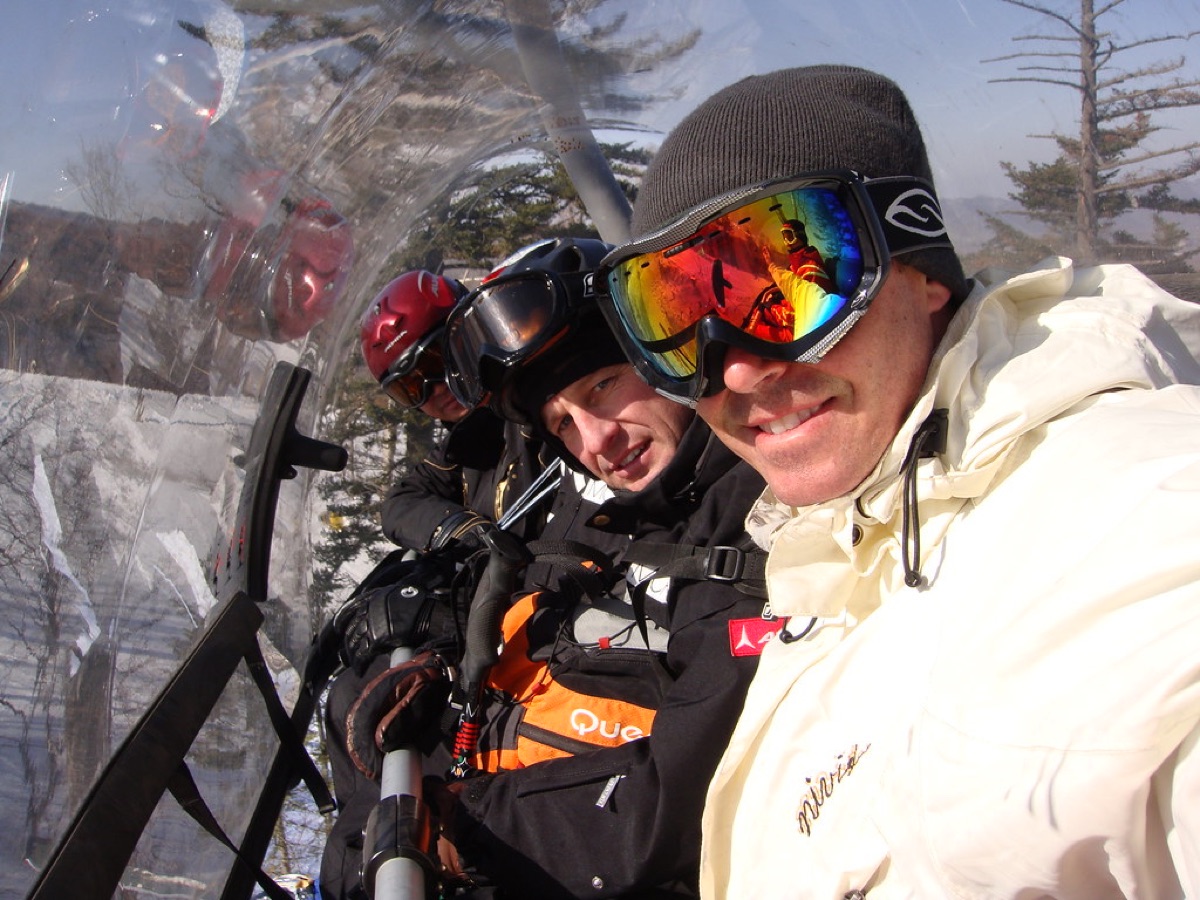
After a day of carving through deep drifts, you sit in a steaming outdoor bath, the warmth of the water contrasting with the frozen air.
The Niseko experience is symbiotic with the rest of Hokkaido. While the winter focus is on the slopes, the region's identity is tied to its natural bounty. The deep snow that feeds the ski runs also feeds the local culture of dairy, and fresh seafood.
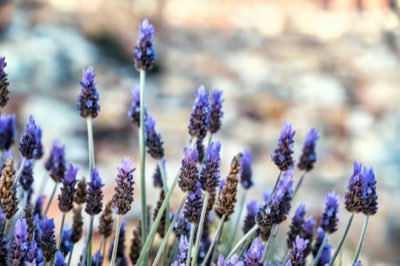
Staying local in Niseko allows you to experience the "two seasons" of Hokkaido. While the winter is dominated by the snow, the transition to the summer—where temperatures can reach 20.5 °C—offers a completely different landscape of lavender fields and greenery.
Understanding this duality helps you appreciate why the snow is so vital; it is the lifeblood of the local economy and the foundation of the winter identity.
But how do you actually prepare for a trip of this magnitude?
Essential Planning Checklist
The ritual of checking your gear—boots, goggles, and layers—becomes second nature. You look at the forecast one last time before heading out.
To make the most of your trip, follow this decision-making framework:
- Time your arrival: Aim for the December to February window to maximize your chances of hitting the 25+ days of snowfall.
- Prepare for depth: Pack gear suited for a 351 cm snow base; your equipment needs to handle deep powder, not just groomed runs.
- Layer for extremes: Ensure your wardrobe can handle the transition from daytime activity to the -6.0 °C January lows.
- Plan for logistics: Factor in extra travel time for airport transfers and local movement due to heavy precipitation.
- Commit to the setting: Recognize that Niseko is a high-commitment destination; prepare for a trip centered entirely around the snow.
| Feature | Winter Peak (Dec-Feb) | Late Season (March) |
|---|---|---|
| Snowfall Frequency | Very High (>25 days) | Moderate |
| Typical Temperature | Lows around -6.0 °C | Variable/Warmer |
| Snow Depth | Building Base | Up to 351 cm |
| Primary Focus | Fresh Powder | Deep Base/Spring Riding |
#



Comments 0