90 Days of Hokkaido: Planning Your Perfect Northern Journey
"Hokkaido is a land of two entirely different worlds, where a trip to the lavender fields of Furano feels like visiting a different planet than a trek through the powder snow of Niseko."
Successful travel to Japan's northernmost island requires more than just a flight and a hotel; it requires a complete strategic alignment with the season.
Key Takeaways * The season dictates your entire trip profile, from your wardrobe to your mode of transport. * Transportation choices—specifically rental cars versus the JR Pass—must be matched to your seasonal itinerary.
* Pre-booking accommodations and activities is non-negotiable during peak festival and bloom seasons. * Pack for the extreme of your chosen season, not the average temperature.
When is the best time for me to go? I remember standing in the middle of a Sapporo street in late February 2025, the wind cutting through my coat like a blade, looking at a sea of white that seemed to stretch into infinity.
It was beautiful, but I realized then that I wasn't just visiting a city; I was entering a frozen ecosystem that demanded respect.
Choosing between winter and summer is not a matter of preference, but a choice of which version of Hokkaido you want to experience.
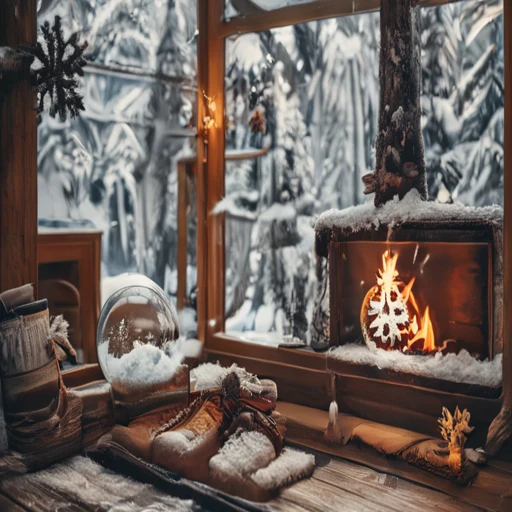
Deep Winter (December–February) This is the season of the "Snow Monsters" and the legendary powder snow that draws skiers from across the globe to Niseko and Rusutsu. If your goal is to witness the Sapporo Snow Festival or float among drift ice in Okhotsk, this is your window.
However, be prepared for sub-zero temperatures and limited daylight.
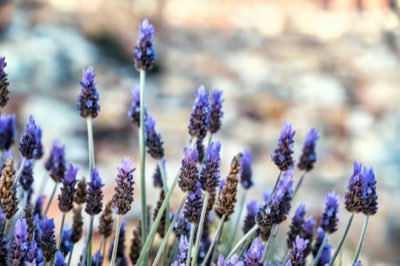
Peak Summer (June–August) In stark contrast, summer transforms the island into a lush, floral paradise. The rolling hills of Biei and Furano explode with lavender and colorful flower fields.
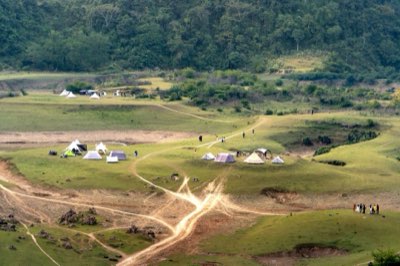
While Hokkaido is much cooler than Tokyo or Osaka during these months, it is perfect for hiking, camping, and outdoor exploration.
The Shoulder Seasons (Spring and Autumn) Spring (April–May) and Autumn (September–November) offer milder weather and fewer crowds, but they come with trade-offs. In spring, much of the snow may still be melting, and flower blooms might be delayed.
In autumn, while the foliage is stunning, temperatures can drop rapidly, requiring a versatile wardrobe.
| Season | Primary Draw | Major Challenge |
|---|---|---|
| Winter | Powder skiing, Ice festivals, Drift ice | Extreme cold, difficult driving, short days |
| Summer | Lavender fields, Hiking, Cool weather | High tourist crowds, peak pricing |
| Spring | Cherry blossoms (late), quiet streets | Muddy terrain, unpredictable rain |
| Autumn | Fall foliage, harvest season | Rapidly dropping temperatures |
The choice between a white landscape and a green one will define every single decision you make from this moment forward.
🚗 How will I get around?
I once watched a rental car slowly slide sideways on a patch of black ice near Asahikawa, and the look of pure concentration on the driver's face reminded me that Hokkaido is not a place for casual driving.
Navigating Hokkaido requires understanding that distances are much larger than they appear on a map.
The Rental Car Necessity If you plan to explore the vastness of Biei, Furano, or the coastal roads of Shakotan, a rental car is almost essential.
Hokkaido's rural beauty is often tucked away from train stations, and having your own wheels allows for spontaneous stops at roadside markets or remote scenic overlooks.
The Reality of Winter Driving If you choose to drive in winter, you must be an experienced driver. Deep snow, whiteout conditions, and "black ice" (invisible ice on paved roads) are constant hazards.
If you are not comfortable navigating heavy snow or managing a 4WD vehicle on slippery slopes, stick to the train.
Public Transit Viability For travelers sticking to the main corridors—Sapporo, Otaru, Hakodate, and Asahiko—the JR Pass and local bus networks are highly efficient. The train system is reliable and allows you to enjoy the scenery without the stress of navigating icy roads.
The Distance Trap Do not mistake Hokkaido for a small island. A 2-hour drive in a city can easily become a 4-hour journey when snow accumulates or when navigating winding mountain passes. Always plan your travel time with a significant buffer.
Your mode of transport is the backbone of your itinerary, but your luggage weight might dictate which one is actually feasible.
🎒 What do I need to pack?
I stood in a department store in Sapporo in early 2026, looking at thick thermal base layers, realizing that my "standard" winter coat from home would be woefully inadequate for a Hokkaido night.
Your packing list must be dictated by the extreme of your chosen season.
Winter Gear Deep Dive * Layering is King: Do not rely on one heavy coat. Use a base layer (merino wool is best), a mid-layer (fleece or light down), and a waterproof, windproof outer shell. * Footwear: You need waterproof boots with heavy tread.
Ice-cleats (removable spikes that attach to shoes) are a lifesaver for walking on city sidewalks. * Hand and Head Protection: Insulated gloves and a hat that covers your ears are mandatory.
Summer Gear Deep Dive * Breathable Layers: While Hokkaido is much cooler than mainland Japan, summer sun can be intense. Pack light, breathable fabrics. * Sturdy Walking Shoes: If you are visiting flower fields or hiking, you need shoes that can handle uneven terrain.
* Light Jacket: Even in summer, evenings can be surprisingly chilly, especially in the highlands.
Activity-Specific Gear * Skiing/Snowboarding: If heading to Niseko, bring high-quality goggles and moisture-wicking thermal gear. * Outdoor Exploration: For summer hikers, bring insect repellent and a reliable reusable water bottle.
Contingency Planning Always pack a small, waterproof bag for electronics and a portable power bank. Cold temperatures drain phone batteries significantly faster than usual.
Once your bags are packed, the next hurdle is ensuring you have a place to put them.
🏨 Where should I stay?
I remember checking into a traditional ryokan in Noboribetsu, where the steam from the outdoor onsen rose to meet the falling snow, creating a quiet, ethereal world.
Your accommodation should be an extension of your travel goals, not just a place to sleep.
Activity Alignment * For Relaxation: Look for Ryokans (traditional inns) with private onsen (hot spring) access, especially in areas like Noboribetsu or Jozankei. * For Adventure: Stay in mountain lodges or specialized ski resorts in Niseko or Furano to be close to the slopes.
* For City Explorers: Sapporo is the perfect base for those who want easy access to food, shopping, and transport hubs.
Booking Lead Time Hokkaido experiences massive surges during the Sapporo Snow Festival (February) and the peak lavender bloom (July). During these times, the best hotels are often booked 6 months to 1 year in advance. If you are looking for high-end luxury or specific scenic views, book early.
Location vs. Activity If you are doing a "grand tour" of the island, consider staying in different types of accommodations to break up the journey. If you prefer a slower pace, pick a central hub like Sapporo and take day trips to Otaru or Hakodate.
Choosing a hotel is easy, but choosing the right *destination* is where the real magic happens.
🗺️ What should I see?
I remember looking out over the Hakodate skyline at night, the city lights twinkling like fallen stars against the dark sea, realizing that Hokkaido's beauty is as much about its atmosphere as its landmarks.
Your itinerary should be built around the seasonal highlights that define the island.
Winter Highlights * Sapporo Snow Festival: Massive, intricate ice sculptures that turn the city into an art gallery. * Shirase/Drift Ice: Witnessing the natural phenomenon of ice floes arriving on the coast. * Powder Skiing: The world-class snow quality in Niseko and Rusutsu.
Summer Highlights * Lavender Fields: The purple landscapes of Furano and Biei. * Flower Parks: Vast, colorful gardens that bloom in perfect synchronization. * Outdoor Festivals: Summer nights filled with local food, beer, and outdoor music.
A Note on Variety Hokkaido is not just about nature. The history of the Ainu people, the development of the frontier, and the incredible seafood markets offer a deep cultural layer to every trip.
With the sights decided, you might still be wondering which path to take.
📋 How to Plan Your Hokkaido Trip
Follow these steps to ensure your seasonal adventure goes smoothly:
- Select your primary season: Decide between the white winter or the green summer before looking at flights.
- Choose your transport mode: If traveling in 2026, decide if you need a 4WD rental or if the JR Pass is sufficient for your route.
- Book accommodations early: If visiting during peak months like February or July, secure your lodging at least 6 months in advance.
- Prepare your specialized kit: Pack according to the extreme temperature, not the average, and include seasonal necessities like ice-cleats or hiking boots.
- Build a buffer into your itinerary: Always account for extra travel time caused by weather or distance.
#


Comments 0