Best spots lavender drive: 100-110 days maturation
"The purple waves of Furano offer a visual feast that changes with every passing breeze."
Finding the best spots lavender drive locations requires timing your visit to the peak bloom and understanding the natural growth cycles of the fields. This guide covers essential photography tips, the biological timing of the blooms, and how to navigate the scenic routes of Hokkaido.
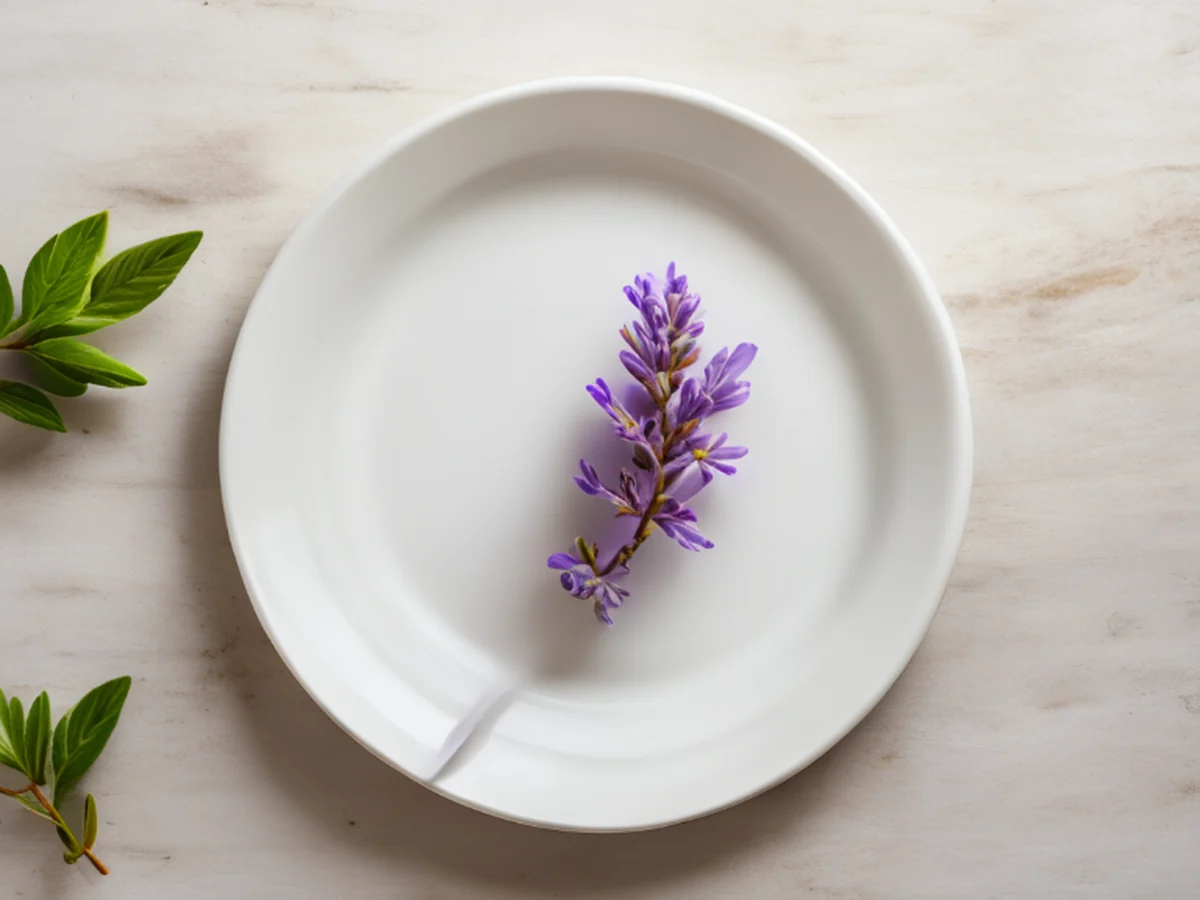
Key takeaways include understanding the 100–110 day maturation period, identifying peak visual windows, and preparing for seasonal transitions.
Where can I find the best lavender drive spots? A car window slides down to let the scent of purple blossoms fill the cabin during a scenic drive through Furano. Travelers seeking the best spots lavender drive locations should look for rolling hills where the purple hues stretch toward the horizon.
The natural landscape of Hokkaido provides a dramatic backdrop for these floral displays. Because English lavender has a long germination process of 14–28 days and matures within 100–110 days, the window for perfect photography is specific to the season.
Finding these ideal lavender photo locations requires patience and an understanding of these growth timelines.
How does the lavender bloom cycle affect photography? Best spots lavender drive
As the afternoon sun warms the field, a photographer kneels in the dirt to find the perfect spots for a close-up shot.
A photographer adjusts the aperture while standing at the edge of a vibrant field, capturing the sunlight hitting the petals. The maturation process dictates when the colors are most intense for the lens.
According to biological data, English lavender matures within 100–110 days after germination. This specific timeframe means that the peak purple intensity is not constant throughout the summer.
Planning a trip around this 100-110 day window ensures that the colors are saturated for stunning natural landscapes.
How can I take the best lavender photos? Standing amidst the fragrant hills at sunset, she grips her camera tightly to capture the best spots for light.
A hand holds a camera steady against a gentle breeze, framing the purple flowers against a clear blue sky. To capture the essence of the field, one must work with the natural light and the density of the blooms.
First, observe the sun's position to avoid harsh shadows on the delicate petals. Second, use the varying heights of the plants to create depth in the frame. Third, time your visit according to the maturation period to ensure the blooms are fully developed.
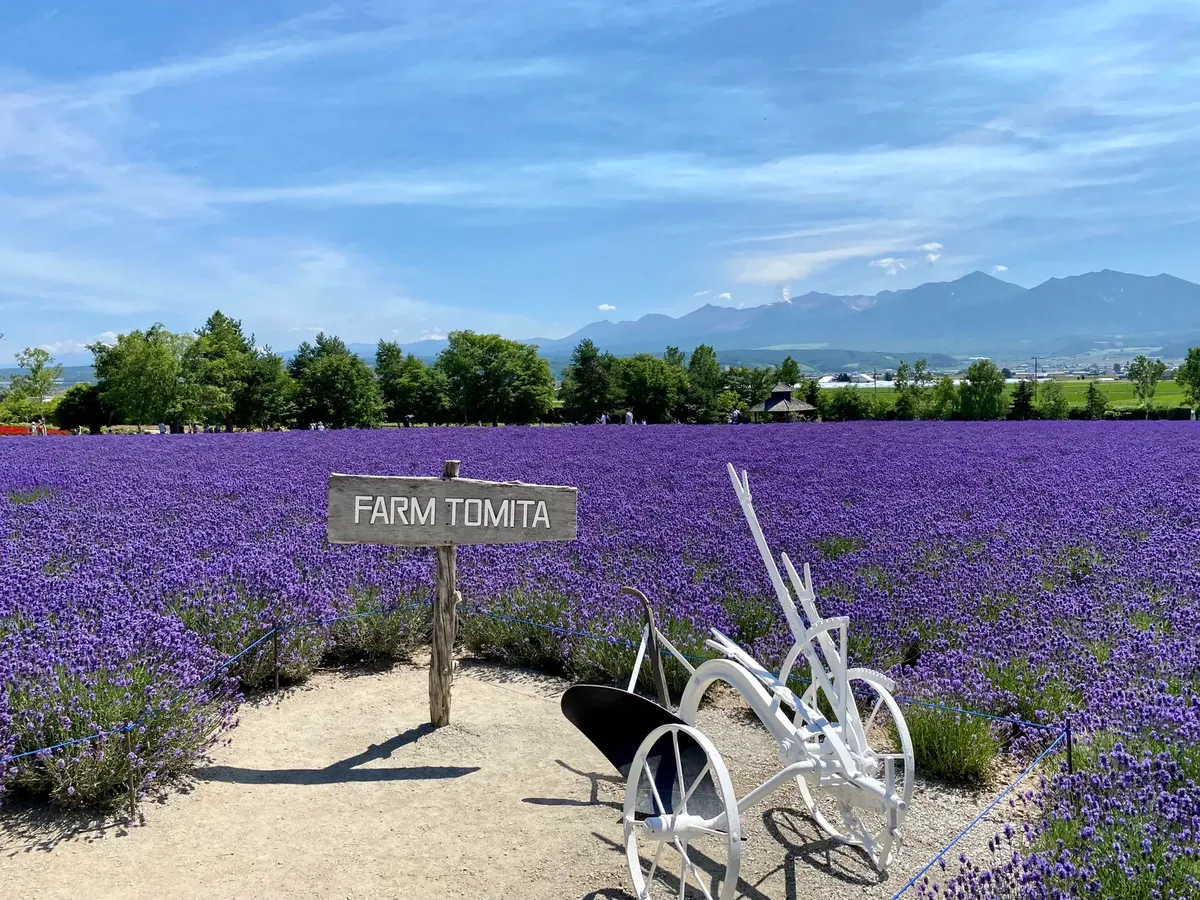
These lavender tips for photos help travelers capture the dreamiest purple meadows.
Can you experience lavender camping scenery?
A tent sits nestled near a patch of lavender, with the morning dew still clinging to the blossoms. The quiet of the countryside offers a unique perspective on the floral landscape.
For those looking for lavender camping scenery, the outskirts of the main tourist hubs offer a more tranquil experience. The combination of outdoor living and vast floral expanses provides a unique way to witness the landscape.
This immersion allows for a closer look at the seasonal shifts in the Hokkaido greenery.
How to handle the natural elements during a drive?
A driver grips the steering wheel while navigating a winding road lined with purple flowers. The road itself becomes a part of the visual journey.
When planning a trip, remember that the weather in Hokkaido can change rapidly. Perfect lavender drive views are often found on the transition between the hills and the valley floors. Using these routes allows you to witness the vastness of the fields from a moving perspective.
What are the safety considerations for lavender enthusiasts?
A person carefully examines a lavender sprig, mindful of the environment. While the flowers are beautiful, travelers should be aware of how they interact with the body.
According to the Food and Drug Administration, the US Food and Drug Administration considers lavender as generally recognized as safe for human consumption.
The National Center for Complementary and Integrative Health (NCCIH) states that lavender is considered likely safe in food amounts, and that topical uses may cause allergic reactions. It is important to be mindful of skin sensitivity when moving through dense fields.
| Aspect | Detail |
|---|---|
| Germination Period | 14–28 days |
| Maturation Period | 100–110 days |
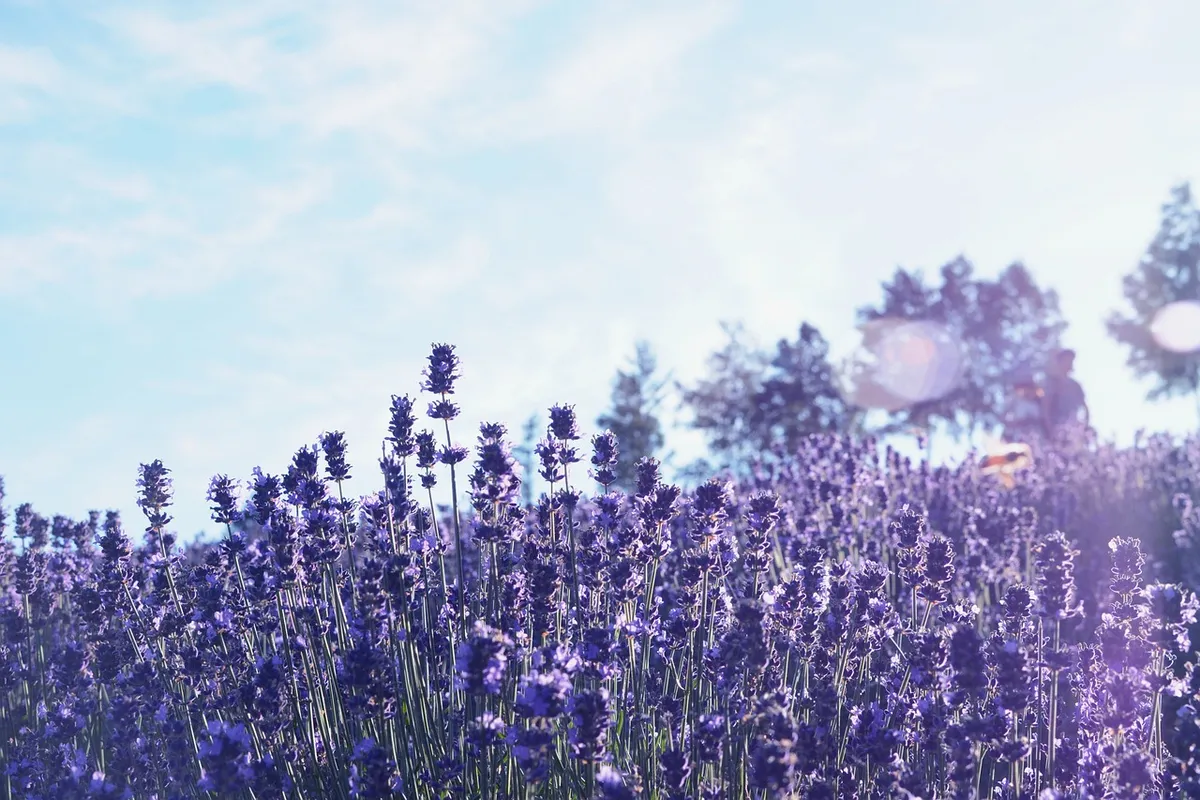
I remember adjusting my camera settings while watching the sun dip below the horizon in a field of purple.
A limitation of these photography tips is that they depend entirely on the specific weather conditions and the exact stage of the 100–110 day maturation period.
- Where can I find the best lavender drive spots?
- How does the lavender bloom cycle affect photography?
- How can I take the best lavender photos?
The subject here is Best spots lavender drive.
The same subject is also called Lavender drive photo spots.
The same subject is also called Hokkaido nature views.
Ideal lavender photo locations
Related
- Spurt Curry Origin: A Deep Dive into This Dish Guide
- 99% Preservation: Ainu Wisdom of the Northern Wilderness
How does the visual experience compare across different times of day?
The quality of the purple waves changes depending on the sun's angle, offering distinct moods throughout the day. Early morning light casts a soft glow on the blossoms, enhancing their saturation. Conversely, late afternoon sun can create dramatic shadows, adding depth to the field.
The visual feast provided by the Furano fields is dynamic. Midday sun, while bright, can wash out the subtle variations in the purple hues. Therefore, the timing of the photographic session influences the final captured image quality.
What are the conditions for optimal visual impact?
The most striking visual impact occurs when the maturation period aligns with ideal weather. Clear skies allow the full spectrum of purple to be displayed against the horizon. Wind conditions also play a role in how the purple waves appear to move across the landscape.
A gentle breeze allows the blossoms to sway, making the field appear alive. Strong winds, however, might cause undue stress to the delicate structures of the flowers. The combination of specific weather and the plants' biological stage dictates the scene's majesty.
How does the movement of the purple waves affect the viewing experience?
The movement of the purple waves shifts depending on the air currents present in the valley. A steady, mild breeze allows the blossoms to move rhythmically, suggesting vitality in the field. Conversely, a sudden gust can cause the flowers to bend sharply, offering a different visual narrative.
This movement directly influences the photographer's framing choices. Capturing the gentle sway requires a slower shutter speed to render smooth motion, whereas freezing the movement demands a faster setting to freeze the individual stalks of the purple waves.
Navigating the scenic routes allows the driver to observe these dynamic interactions between the air and the flowers. The transition from still air to moving air provides a visual contrast to the stationary shots taken earlier in the journey.


Comments 0