Hokkaido Food Tour: Soup Curry to Melons, See 8 Regions
"To eat in Hokkaido is to taste the vastness of the earth and the cold depth of the sea."
If you are planning a trip to Japan's northernmost frontier in 2026, you aren't just looking for a meal; you are looking for a way to fuel an adventure across 32,210 square miles of wild terrain.
From the steaming bowls of soup curry in Sapporo to the sun-drenched sweetness of a Furano melon, the food here is a direct result of the land's massive scale.
Key Takeaways * Hokkaido’s culinary identity is shaped by its massive agricultural scale and unique pioneering history. * Seasonal timing is everything: winter calls for hearty stews, while summer celebrates fresh harvests.
* Effective travel planning requires balancing regional food specialties with the logistical realities of large distances.

What is the DNA of a food giant? The morning sun hits a vast field of wheat in the Tokachi Plain, stretching toward a horizon that feels almost infinite. In 2023, the average farm size in Hokkaido was recorded at 26 hectares per farmer, which is nearly 11 times larger than the Japanese national average of 2.4 hectares.
This massive scale isn't just a statistic; it is the reason why the produce here—the corn, the potatoes, and the dairy—tastes so much more robust than what you find in the crowded prefectures of Honshu.
The island's culinary roots are a blend of indigenous Ainu traditions and the grit of the pioneers who settled these vast plains. This history created a culture of preservation and hearty sustenance.
While the Ainu people lived in harmony with the seasonal bounty of the sea and forest, the later settlers built a powerhouse of dairy and timber industries. Even the legendary Sapporo Beer reflects this spirit of industrial ingenuity meeting natural resources.
Because the land is so expansive, the food is often designed to be heavy and warming. You aren't just eating a snack; you are consuming the energy required to navigate a landscape that covers over 83,000 square kilometers.
This sense of scale dictates everything from how much you eat to how you travel between cities. But how does the weather change the very soul of what you put on your plate?

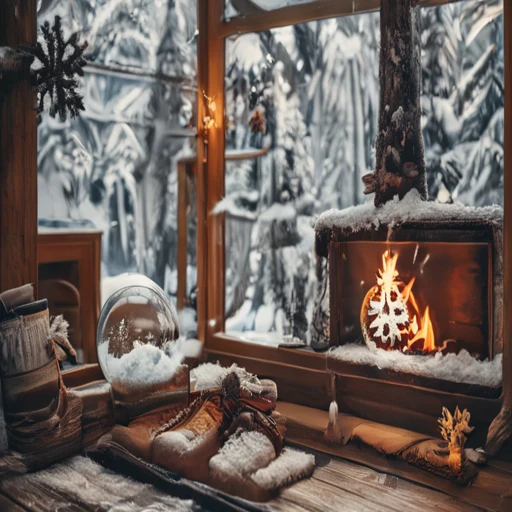
How do winter and summer flavors compare? A heavy snowstorm blankets the streets of Sapporo in January, turning the city into a quiet, white wonderland. You wrap your hands around a steaming bowl of soup curry, the heat seeping into your bones as you watch the snow pile up against the window.
This is the essence of a Hokkaido winter: hearty, warming, and designed to combat the deep freeze.
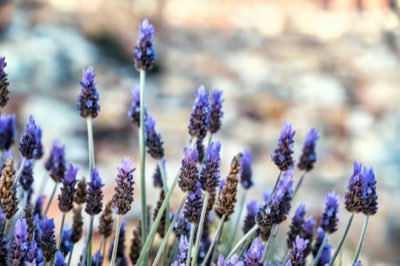
In contrast, the summer air in Furano in July is thick with the scent of blooming lavender. You sit in a sun-drenched garden, biting into a slice of chilled melon that tastes like pure sunshine. The transition between these two worlds is total.
In the winter, the focus is on "warmth and fuel"—think hot ramen, bubbling stews, and rich seafood-based broths that sustain you through snow festivals and powder skiing.
In the summer, the focus shifts to "freshness and bloom." The harvest of berries, corn, and melons defines the months between June and August. When planning your itinerary, you must decide which version of Hokkaido you want to meet.
A winter trip is a quest for cozy refuge and adrenaline, while a summer trip is a celebration of color and agricultural abundance. But once you arrive, where exactly should you go to find the best flavors?
Regional Signatures: A Taste Map
The neon lights of Susukino reflect in the puddles of a busy Sapporo street at 9:00 PM. You step into a small, steam-filled shop to escape the evening chill, looking for something that captures the soul of the city.
| Region | Signature Dish | Primary Flavor Profile |
|---|---|---|
| Sapporo | Soup Curry | Spicy, aromatic, hearty |
| Otaru | Sushi | Fresh, salty, oceanic |
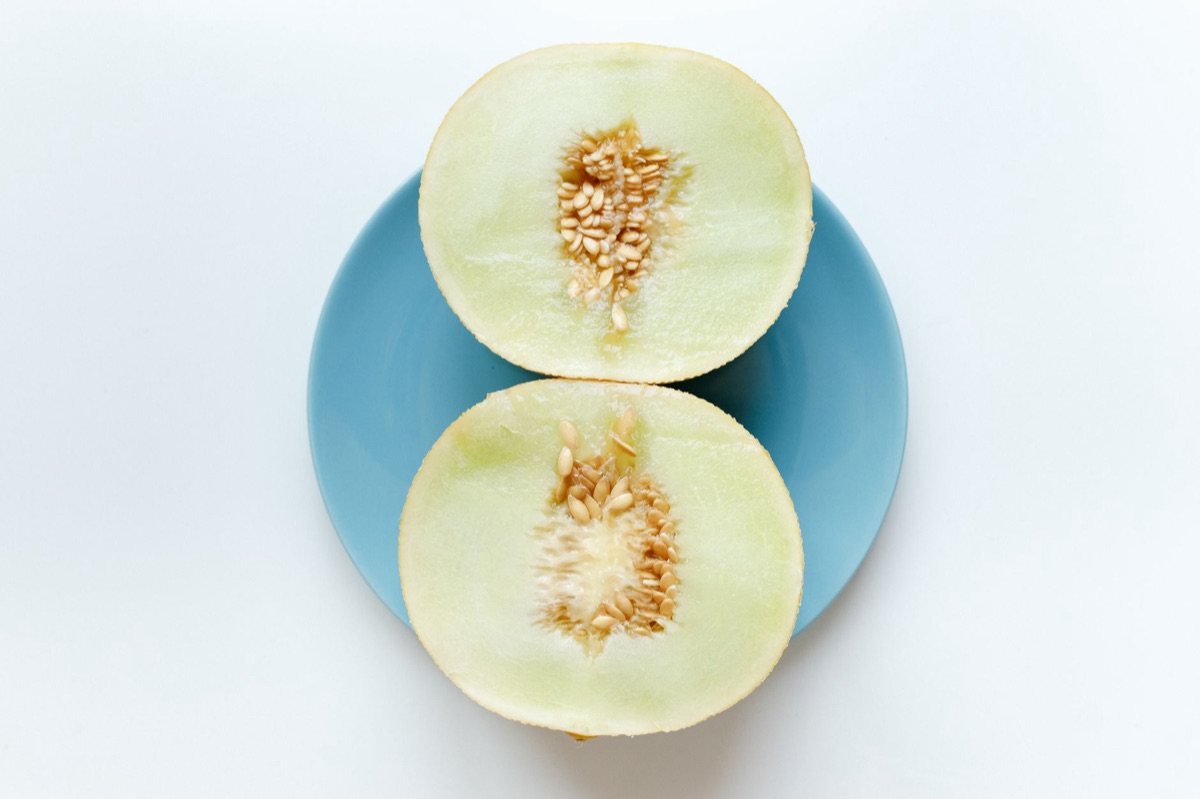
| Furano | Melon | Sweet, juicy, seasonal |
| Hakodate | Squid | Delicate, clean, tender |
Sapporo Staples In the heart of the capital, soup curry stands as a testament to the city's unique identity. Unlike traditional thick Japanese curry, this version is a thin, flavorful broth packed with large, chunky vegetables and tender meat. It is a masterpiece of spice and local produce. For those seeking a different kind of warmth, Sapporo's miso ramen offers a rich, creamy comfort that has become a global icon.
Otaru Seafood The salty breeze of the Otaru canal carries the scent of the Sea of Japan. This coastal city is a sanctuary for seafood lovers. Because of its proximity to rich fishing grounds, the sushi here is legendary. From fatty tuna to seasonal shellfish, the freshness is unparalleled. It is a place where the catch of the morning becomes your lunch by noon.
Furano Bounty The rolling hills of the Biei and Furano regions look like a patchwork quilt of colors. This is the agricultural heart of the island. Here, the focus is on the incredible sweetness of local melons and the crispness of highland vegetables. The produce grown in this volcanic soil is often much sweeter and more flavorful than standard varieties, making it a pilgrimage site for food enthusiasts.
Hakodate Treasures In the southern port of Hakodate, the culinary scene takes a different turn. The morning markets are a whirlwind of activity, where you can find incredibly fresh squid and local specialties that reflect the city's history as a major trading port. It is a place of variety, where the sea meets the unique tastes of southern Hokkaido. But how do you actually manage a trip across such a massive area?
Logistics: Planning the Great Food Tour
A rental car sits idling in a driveway in late 2025, its tires slightly dusted with a thin layer of frost. You look at the map, realizing that the distance between your current location and the next town is much greater than it appeared on the screen. This is the reality of Hokkaido travel.
The sheer size of the island—the second-largest in Japan—means that "nearby" is a relative term. Driving is often the best way to reach remote farms and coastal towns, but it requires careful planning. In winter, snow driving is a serious matter that requires respect for the elements.
In summer, the distances are still vast, and you must account for significant travel times between regions like Sapporo and Hakodate.
When deciding on a travel style, you generally face two choices: setting a base or touring. A "base" strategy—staying in a city like Sapporo and taking day trips—allows you to explore local food dens without constant packing.
A "tour" strategy—moving from city to city—allows you to experience more regional variety but requires much more logistical coordination.
How to Plan Your Itinerary
To make the most of your journey, follow these steps to balance flavor and travel time:
- Choose your season first. Decide between the winter snow/hot food focus or the summer harvest/cool food focus.
- Select a primary hub. Pick a major city like Sapporo or Hakodate to serve as your base to minimize packing and unpacking.
- Map your regional loops. Group nearby areas (like Sapporo/Otaru/Yoichi) to prevent spending too many hours in a car.
- Check seasonal availability. Verify that the specific seasonal delicacy you want (like specific melons or crab) is actually in season during your travel dates.
- Prepare for transit. In winter, verify your rental car has winter tires; in summer, check train schedules for remote areas.
When I tried this myself during a late-autumn trip, I realized that trying to do too much in one day meant I was too tired to actually enjoy the meals. The sheer scale of the island can swallow your schedule if you aren't careful.
Beyond the Plate: The Full Immersion
The sliding door of a traditional ryokan opens to reveal a tatami-matted room overlooking a steaming hot spring. You settle in, knowing that the multi-course kaiseki meal waiting for you is the culmination of the day's journey.
To truly experience Hokkaido, you must connect the food to the setting. Staying in a high-end ryokan or a luxury resort often includes elaborate meals that showcase the very seasonal ingredients you traveled to find. This is not just eating; it is a curated sensory experience.
The activities you choose also shape your appetite. A day of intense skiing in Niseko will lead you toward calorie-dense, satisfying meals, whereas a day of wandering through lavender fields in the summer calls for lighter, refreshing treats.
The contrast between the ruggedness of the landscape and the refinement of the food is what makes a Hokkaido journey so memorable.
#



Comments 0