Rent a Car for Hokkaido: See All Seasons in 83,000 Sq Km
"The road stretches endlessly toward a horizon of snow or lavender, a reminder that in Hokkaido, the journey is as vast as the landscape itself."
Planning a trip to Japan's northernmost island requires a fundamental shift in perspective. Unlike the dense, walkable corridors of Tokyo or Kyoto, Hokkaido is a land of immense scale and dramatic seasonal shifts that demand careful logistical planning.
* Seasonality is Key: You are choosing between two entirely different worlds—the white powder of winter or the blooming fields of summer. * Rental Car Dependency: To see the true heart of the island, a vehicle is essential, but it requires specific preparation for local road conditions. * Scale Matters: With a total area of 83,423.84 km², you cannot "see it all" in a week; you must choose a theme. * Itinerary Flexibility: Your route must be built around seasonal windows, such as the specific weeks lavender blooms or snow festivals occur.
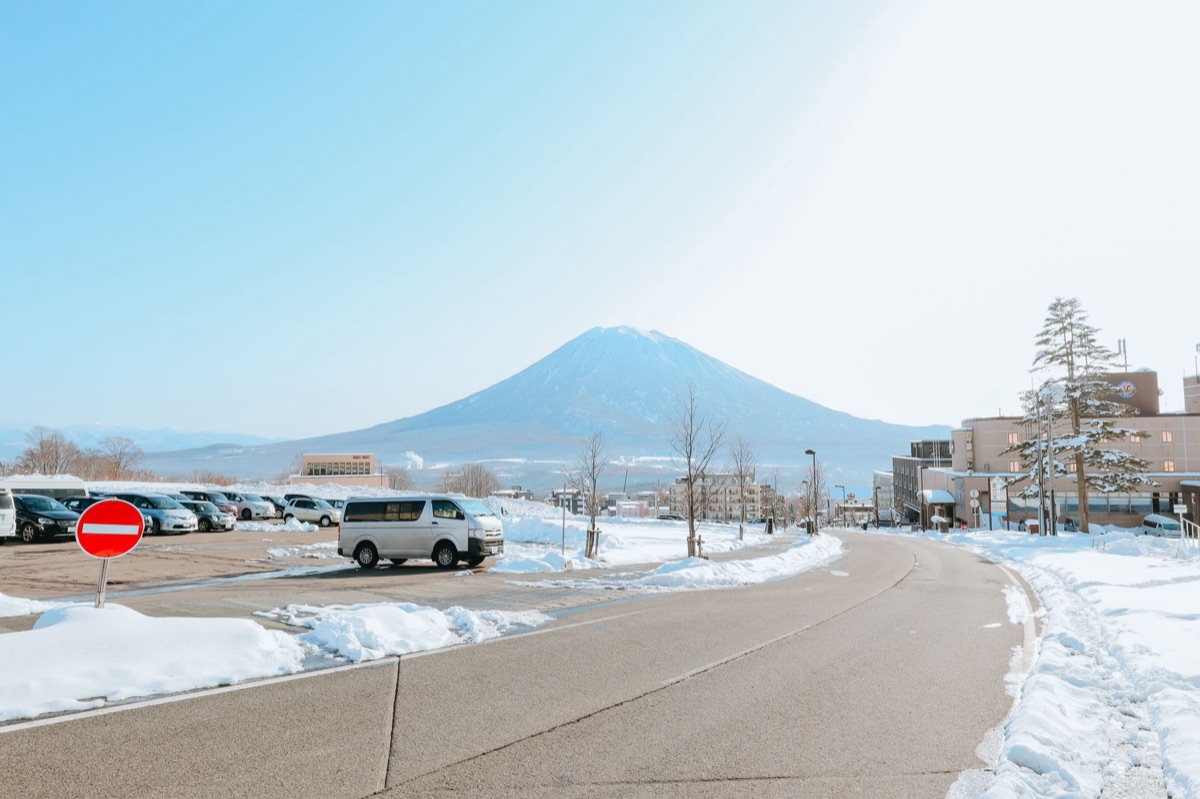
When is the best time for me to go? The morning sun hits a windshield frosted with ice, turning the world into a blinding sheet of white as you prepare to leave your hotel in Niseko in February 2026. You check your tire chains one last time, knowing the road ahead is unpredictable.
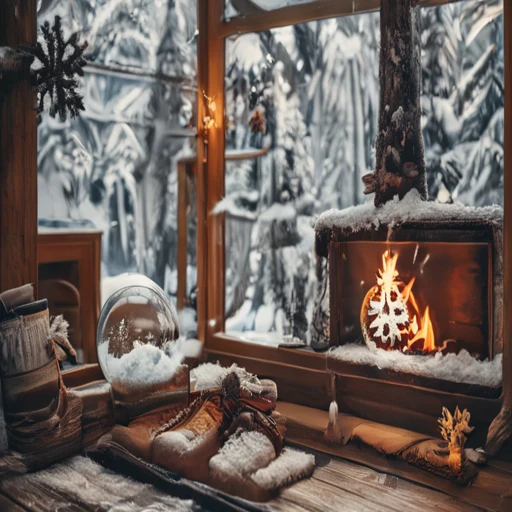
If you seek the thrill of world-class powder snow and the magic of ice sculptures, winter is your season. During these months, the focus is on skiing in Niseko or Hakodate and witnessing the massive snow festivals that transform cities.
In 2025, travelers noted that winter conditions required much more rigorous vehicle prep than summer.
Driving requires extreme caution, as snow-covered roads and ice-slicked highways are the norm.
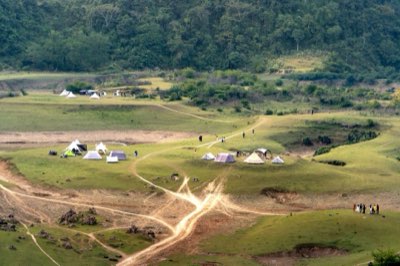
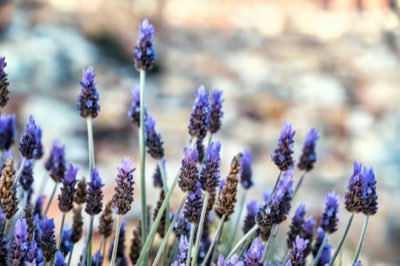
Alternatively, if you prefer lush greenery and vibrant colors, summer offers a completely different allure. The rolling hills of Furano and Biei turn into a tapestry of lavender and wildflowers, making it the perfect time for scenic drives and outdoor camping.
In July 2026, the peak bloom window is narrow, often lasting only about 2 weeks.
While the roads are clearer, the popularity of these routes means traffic can increase during peak bloom.
Transitional seasons, like late spring or autumn, offer quieter roads and beautiful foliage, though some mountain passes may still be unpredictable. Because the atmosphere changes so drastically, you should always consult a specific seasonal guide before setting your dates.
But choosing a season is only the first hurdle; the logistics of the drive can be even more complex.
How do I plan my routes and logistics? A heavy rainstorm lashes against the windows of a rental car as you navigate a winding mountain pass toward a remote hot spring in late autumn. The GPS suggests a route that looks much shorter than the actual time spent crawling through the landscape.
When planning your trip, you must decide between a "Grand Tour" or a "Base Camp" strategy. A full circumnavigation attempts to cover the entire island, but given that Hokkaido covers 83,423.84 km², this can lead to exhaustion.
In a typical 10-day trip, trying to hit every corner results in spending 6 to 8 hours in a car every single day.
A base camp approach—using a city like Sapporo as a central hub—allows for more relaxed day trips without constant packing and unpacking.
The most important thing to remember is that Hokkaido is massive. To put it in perspective, the Ishikari Plain alone covers 3,800 km², and the Tokachi Plain spans 3,600 km².
You cannot treat a drive from Sapporo to Hakodate as a quick hop; it is a significant journey that requires planning for fuel, rest stops, and changing weather. In 2026, rental prices for SUVs can vary by as much as 30% depending on how far in advance you book your winter-ready vehicle.
Logistics require specific attention to vehicle type. In winter, a 4WD vehicle with dedicated snow tires is non-negotiable. In summer, you might prioritize a vehicle with more luggage space for camping gear.
Always confirm your rental agreement includes coverage for local road assistance, especially if you plan to head into more remote areas like the Kushiro Plain. Once you have your wheels, you need to know where they are actually taking you.
Beyond the Drive: Must-See Destinations
The smell of fresh sea salt drifts through the open window as you drive along the coast of Otaru, the sound of waves hitting the pier echoing in the quiet morning air. You pull over to a small roadside stand to grab a quick snack before the next leg of the journey.
Your itinerary should be anchored by the specific "vibe" of your chosen season. For winter travelers, the focus often lands on the northern snow-heavy regions or the coastal beauty of Hakodate. These areas offer the most dramatic snowscapes and access to the best winter festivals.
In summer, the "Bloom Belt" becomes the primary target. The regions of Furano and Biei are essential for anyone wanting to see the famous lavender fields. Timing is everything here; if you arrive a week too late, the peak colors may already be fading.
Don't forget the cultural depth of the island. Incorporating visits to areas that showcase Ainu heritage or the history of the northern frontier adds a layer of meaning to your drive.
Whether it is a museum in Sapporo or a quiet shrine in a rural village, these touchpoints connect you to the unique identity of the land. But a successful trip isn't just about the sights; it is about how you fuel yourself along the way.
Fueling Your Journey: Food & Stay
The steam from a hot bowl of soup curry rises to meet your face, warming you instantly as you step into a cozy restaurant in Sapporo. Outside, the wind howls, but inside, the smell of spices and fresh vegetables makes the cold disappear.
Food in Hokkaido is a primary motivator for travel. Because of the vast agricultural landscape, the ingredients are often fresher than anywhere else in Japan. You can categorize your culinary goals: seafood havens in Hakodate, ramen shops in Sapporo, or dairy-rich treats in the central plains.
| Feature | Winter Travel Focus | Summer Travel Focus |
|---|---|---|
| Primary Cuisine | Hot Ramen, Soup Curry, Crab | Melon, Dairy, Fresh Corn |
| Stay Type | Onsen Ryokans, Ski Resorts | Farmhouses, Camping, Hotels |
| Driving Need | 4WD, Snow Tires, Chains | Spacious Luggage Space |
Accommodation should match your pace. In the winter, staying in a luxury ski resort or a traditional hot spring ryokan provides a cozy refuge from the elements. In 2026, many travelers are opting for high-end ryokans in Jozankei to escape the city.
In the summer, you might opt for a mix of boutique hotels and scenic camping sites to fully immerse yourself in the natural beauty of the plains.
The agricultural backbone of the island—shaped by large-scale farming on plains like the Tokachi—means that even a simple roadside stop often yields incredible local produce. Always look for local specialties like Hokkaido melon or premium milk to fuel your long drives.
However, even with the best food, you need a solid plan to keep the journey moving.
Essential Traveler Intelligence
A thick layer of snow covers the dashboard of the car, and you find yourself checking the fuel gauge more frequently than usual. You realize that in this vast landscape, preparation is the difference between a great memory and a difficult situation.
Effective budgeting must account for the "distance tax." Because of the vastness of the island, fuel costs and highway tolls can add up quickly. It is wise to pace your trip; do not try to drive six hours every single day. Build in "buffer days" where you stay in one place to recover.
When I planned my own route through the eastern coast, I realized that a single missed gas station could turn a beautiful drive into a stressful ordeal.
To ensure you are prepared, follow this essential checklist:
- Verify Tire Specs: In winter, confirm your rental has dedicated winter tires, not just all-season tires.
- Download Offline Maps: In remote areas like the Shiretoko Peninsula, cell service can drop entirely.
- Plan Fuel Stops: Never let your tank drop below half when driving through mountain passes.
- much more than just packing clothes, you need to pack for the environment.
Packing is equally vital. For winter, you need heavy-duty thermal layers and waterproof boots that can handle salt and slush. For summer, breathable fabrics are necessary, but always bring a light jacket for the cooler evenings in the highlands.
Ultimately, the reason people choose Hokkaido is its unique, rugged character. It is a place of transition, where the wildness of the landscape meets a sophisticated culinary and cultural scene.
By respecting the scale of the island and planning around its seasons, you can unlock a journey that feels truly transformative.
#


Comments 0