Furano Lavender: Peak Bloom Guide for Your Summer Visit
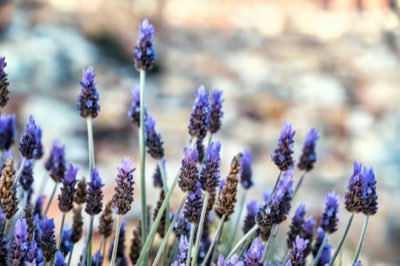
"The scent of purple blooms carries on a breeze that feels worlds away from the city."
To see the lavender in its full, electric glory, you must time your visit to the exact week of peak bloom, which typically falls in late July.
Because different fields bloom at different elevations and microclimates, your choice of location will dictate whether you see a sea of purple or a gentle transition of colors.
Key Takeaways * Timing is everything: Peak saturation usually occurs between late July and early August, but specific fields vary by several days. * Location dictates experience: Choose between vast, accessible landscapes or rugged, high-elevation views depending on your mobility.
* Logistics matter: Planning for driving distances and local bus schedules is essential to avoid being stranded in rural Hokkaido.
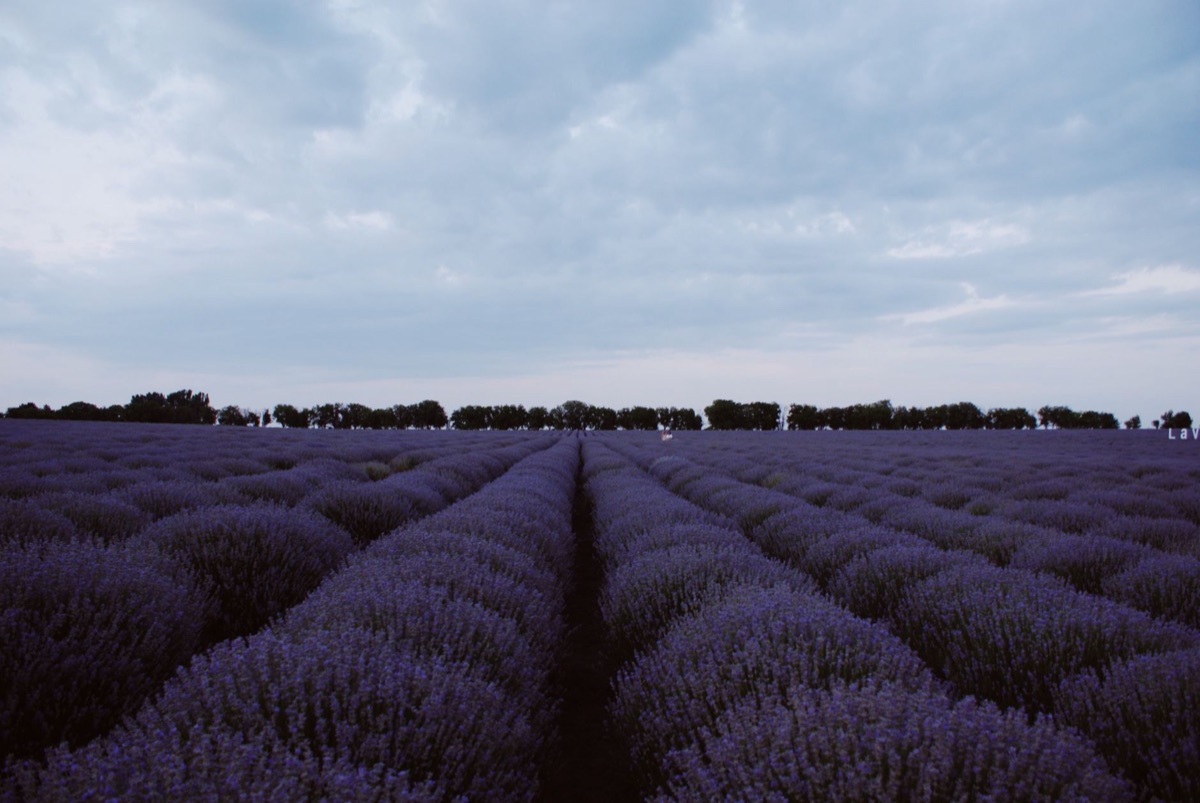
When is the perfect time to visit Furano's lavender? The sun rises over the Tokachi Plain, casting long shadows across the rolling hills of Furano as the first light hits the purple rows. In the quiet of the early morning, you can smell the floral sweetness long before you see the color.
The blooming cycle in Hokkaido is a fleeting masterpiece that requires careful timing. In mid-to-late June, you will see the very first buds appearing.
While the fields aren't a solid purple yet, this is the quietest time to visit, making it perfect for photographers who want to capture the landscape without the heavy crowds.
The most sought-after window is the peak bloom, typically occurring from late July to early August. During this period, the saturation of the purple is at its maximum intensity. In recent years, the most vibrant displays have been concentrated in the last two weeks of July.
In 2025, we saw the peak hit exactly on July 22nd, and you should expect similar windows in 2026.
This is the most competitive time to visit, so expect significant crowds and higher temperatures. As August progresses into its second half, the lavender begins to wane. The vibrant purple fades into more muted, golden hues as the plants prepare for harvest.
While you miss the peak color, this is a beautiful time to witness the transition of the seasons and see how the landscape shifts toward the harvest cycle.
Weather plays a massive role in your visual experience. A sudden summer rain shower in Hokkaido can temporarily mute the colors and make the paths muddy, but it also provides a refreshing break from the midday heat.
Always check the local forecast, as a cloudy day can sometimes make the purple hues pop more intensely in photographs than harsh, direct sunlight.
But timing is only half the battle; you also have to decide where to stand.
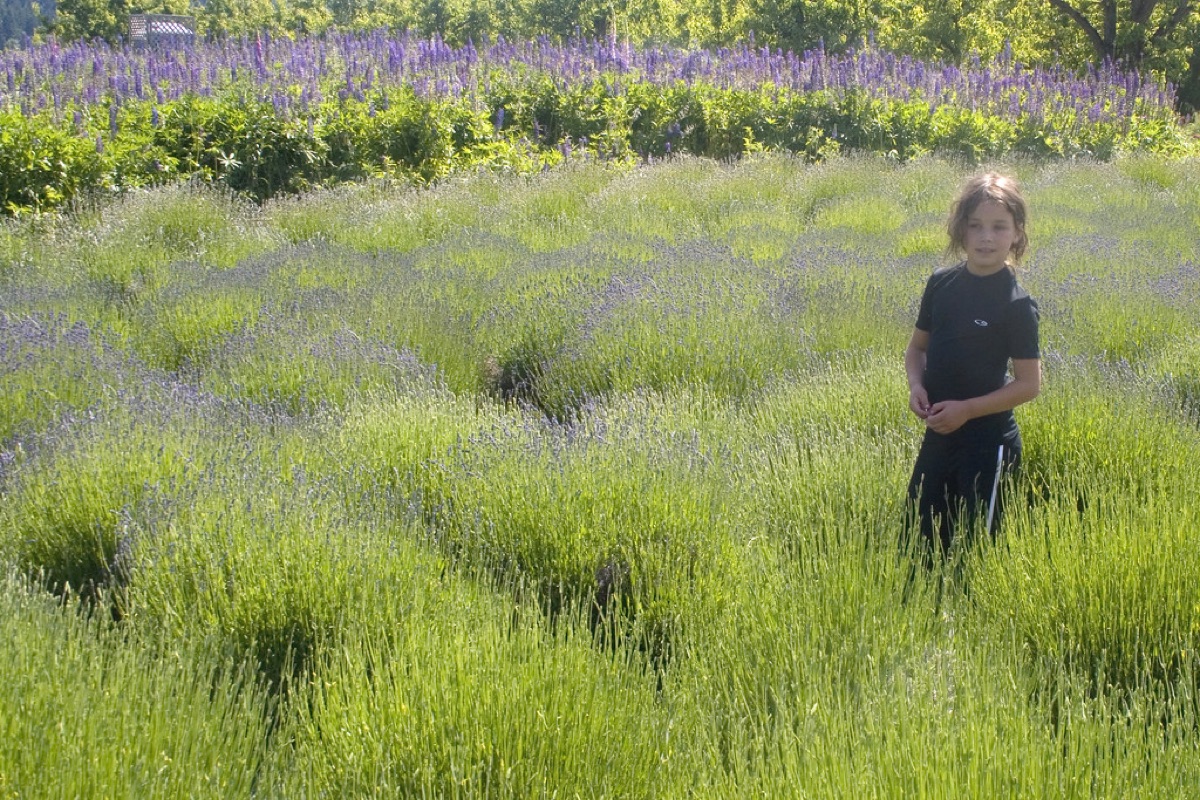
Which field matches my vision? Walking through a manicured garden feels very different from trekking through a wild hillside. Depending on whether you want a structured stroll or a rugged adventure, your choice of field will change your entire perspective of the region.
Farm Tomita is the most famous name in the region, known for its vast scale and incredible accessibility. It is the go-to choice for first-time visitors because it offers structured viewing paths and easy access to amenities.
The farm often offers guided tours and organized flower viewing starting around 10:00 AM, making it easy to integrate into a group itinerary.
For those seeking a more naturalized and quiet experience, higher-elevation fields like those near the hills of Biei offer a different vibe. These locations require more physical exploration and sometimes a bit of a hike, but they provide unparalleled, unobstructed views of the patchwork landscape.
Because of the higher elevation, the bloom timing here can be 7 to 10 days later than the lower-lying farms in the valley.
If you are interested in the intersection of agriculture and tourism, look for fields that are integrated with working farms. Some locations allow you to see the lavender being harvested or are adjacent to active vegetable plots.
These spots are ideal for travelers who want to understand the local harvest cycle and how the floral beauty supports the local economy.
When deciding where to go, always consider the elevation. A field in a valley will hit its peak much sooner than a field on a hillside. If you miss the peak in one spot, driving just twenty minutes to a different elevation might still land you in a sea of purple.
However, getting to these beautiful spots can be a logistical headache if you aren't prepared.
Navigating the Journey: Getting There & Around
The road stretches out toward the mountains, a long ribbon of asphalt cutting through endless fields of crops. In Hokkaido, the distance between two points is often much greater than it looks on a map.
Most travelers begin their journey from Sapporo. Driving from the center of Sapporo to Furano typically takes approximately two to two and a half hours via the Do-O Expressway.
While the drive is straightforward, the sheer scale of Hokkaido means you should plan for significant travel time between different sightseeing spots.
You have two main choices: renting a car or using public transportation. Self-driving offers the most freedom, allowing you to reach remote fields that buses cannot reach. However, utilizing local buses and the JR Lavender Express train is a popular alternative.
Be aware that local bus schedules in rural areas are infrequent and often require booking or specific timing; some local shuttle services may require coordination 48 hours in advance during the peak season.
Parking and fees vary by site. Major attractions like Farm Tomita have large parking lots, but during peak July weekends, you may arrive to find them full by 10:00 AM. Some sites offer free parking, while others may have a small entrance fee or a required purchase of a local product to enter.
The "last mile" challenge is a real factor in Hokkaido. In the city, you are used to walking everywhere, but in Furano, the distance between a train station and a flower field can be significant. Do not assume that because a place is "nearby" on a map, you can easily walk there.
Always have a plan for how you will get back to your base once you have finished exploring a specific field.
Getting there is the hard part, but what do you do once you actually arrive?
Beyond the Bloom: Enhancing Your Furano Experience
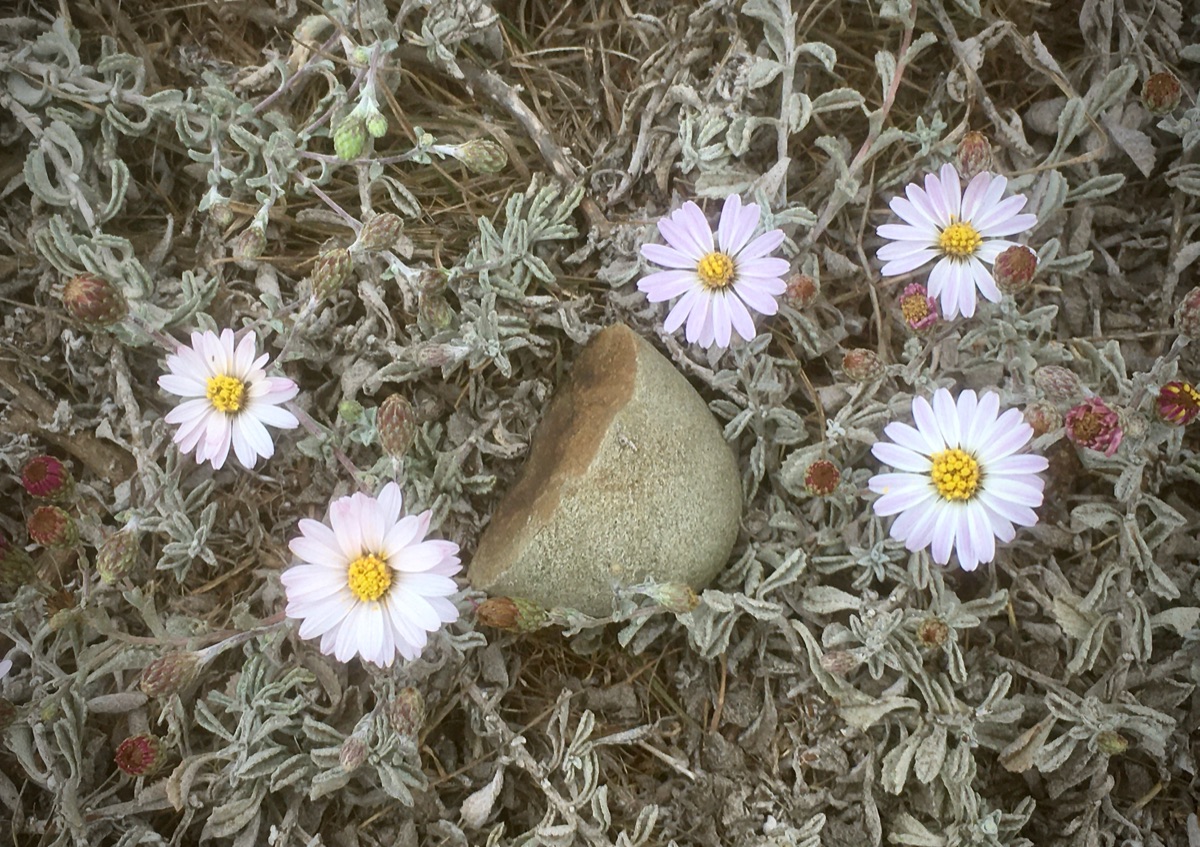
The smell of fresh lavender ice cream is a perfect companion to a warm afternoon breeze. It is a small, sweet reminder that you are in one of the most unique agricultural regions in Japan.
To make the most of your trip, pair your lavender viewing with visits to local food producers. Furano is famous for its dairy and wine. Visiting a local winery or a cheese factory to sample products made from the region's rich milk is a perfect way to round out a day of sightseeing.
For a more active break, consider visiting a local U-pick farm. Some farms allow you to participate in seasonal picking, or you can simply purchase fresh, locally grown produce to enjoy during a picnic. This is a great way to experience the "farm-to-table" culture that defines Hokkaido.
Timing your visit for the golden hour is a pro move. The sunrise and sunset in the Hokkaido countryside produce a unique, soft light that washes over the purple fields, creating a dreamlike atmosphere.
Arriving very early in the morning or staying until the late afternoon can provide much better photography opportunities than the harsh light of midday.
If you have extra time, look for nearby excursions. Many beautiful windmills, small-town cafes, and scenic viewpoints are located within a 30-minute driving radius of the main lavender hubs. A well-planned day should include one major floral destination and one secondary cultural or culinary stop.
Before you head out, you need to know what to pack in your bag.
Essential Visitor Checklist
A light jacket is pulled from the bag as the morning chill meets the warmth of the afternoon sun. In Hokkaido, you must always be prepared for the temperature to shift. When I traveled through the region last summer, I found myself wearing a sweater at 7:00 AM and a t-shirt by noon.
| Item | Purpose | Note |
|---|---|---|
| Light Layers | Temperature Control | Mornings/evenings are cool even in summer. |
| Sturdy Walking Shoes | Mobility | Fields can have uneven, gravelly, or dirt paths. |
| Sun Protection | UV Protection | The sun is much stronger in open fields than in the city. |
| Portable Power Bank | Photography | High usage of maps and cameras will drain batteries. |
- Layer your clothing: The temperature can swing significantly between a cool morning and a warm afternoon. Always carry a light cardigan or windbreaker.
- Prioritize comfortable footwear: You will be walking on dirt paths, gravel, and sometimes uneven hillsides. Avoid sandals with little support if you plan to hike between fields.
- Pack sun protection: Even if it feels breezy, the UV index in open fields can be high. Bring hats, sunglasses, and sunscreen.
- Plan your fuel and cash: In rural areas, gas stations can be sparse and some smaller local shops may still prefer cash over cards.
- Download offline maps: While cell service is generally good, having offline maps of the Furano/Biei area is helpful for navigating rural backroads.
#





Comments 0