Hokkaido Winter Driving: Survival Guide for First-Timers
Navigating Hokkaido's deep winter roads requires more than standard driving knowledge—it demands a survival mindset.
If you are planning a trip to see the Sapporo Snow Festival in February 2026 or the pristine powder of Niseko, you might be looking at a rental car as your ticket to freedom. But in the winter, that freedom comes with a heavy responsibility.
Driving on snow and ice is a completely different physical experience than driving on dry asphalt.
* Anticipate Extremes: Hokkaido winters are severe; preparation is non-negotiable. * Vehicle Preparedness is Key: Your rental car must be equipped for deep snow conditions. * Pace Yourself: Driving times are significantly longer than perceived distances. * Visibility Matters: Road conditions require constant vigilance.
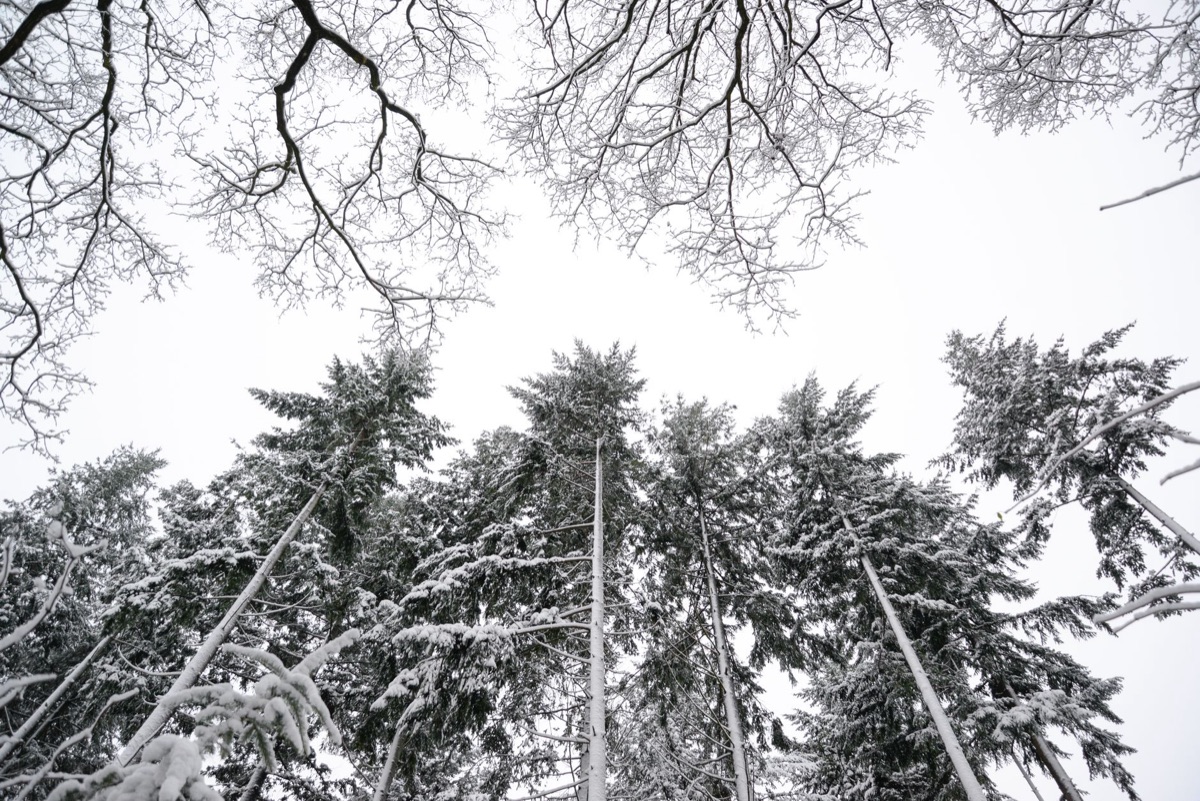
Why is Hokkaido driving so different from home?
The engine hums, the heater is blasting, and you look out the window at a pristine, white landscape that looks like a postcard. Then, you hit a patch of black ice, and the steering wheel suddenly feels weightless in your hands.
In most parts of the world, "winter driving" means dealing with slush or a light dusting of snow. In Hokkaido, you are dealing with a landscape that can change in minutes.
One moment you are driving on packed snow, and the next, you are facing "black ice"—a transparent layer of ice on the road that is almost invisible to the naked eye.
The temperature fluctuations are extreme. While summer temperatures can reach up to 33.1 °C (91.6 °F), winter conditions often plunge well below freezing.
This transition from melting snow during the day to hard, slick ice at night creates a treacherous cycle of "freeze-thaw" that keeps even local drivers on high alert.
Unlike a standard highway, Hokkaido's rural roads often lack guardrails or wide shoulders, meaning a single slip can lead to a much more serious situation than a simple flat tire.
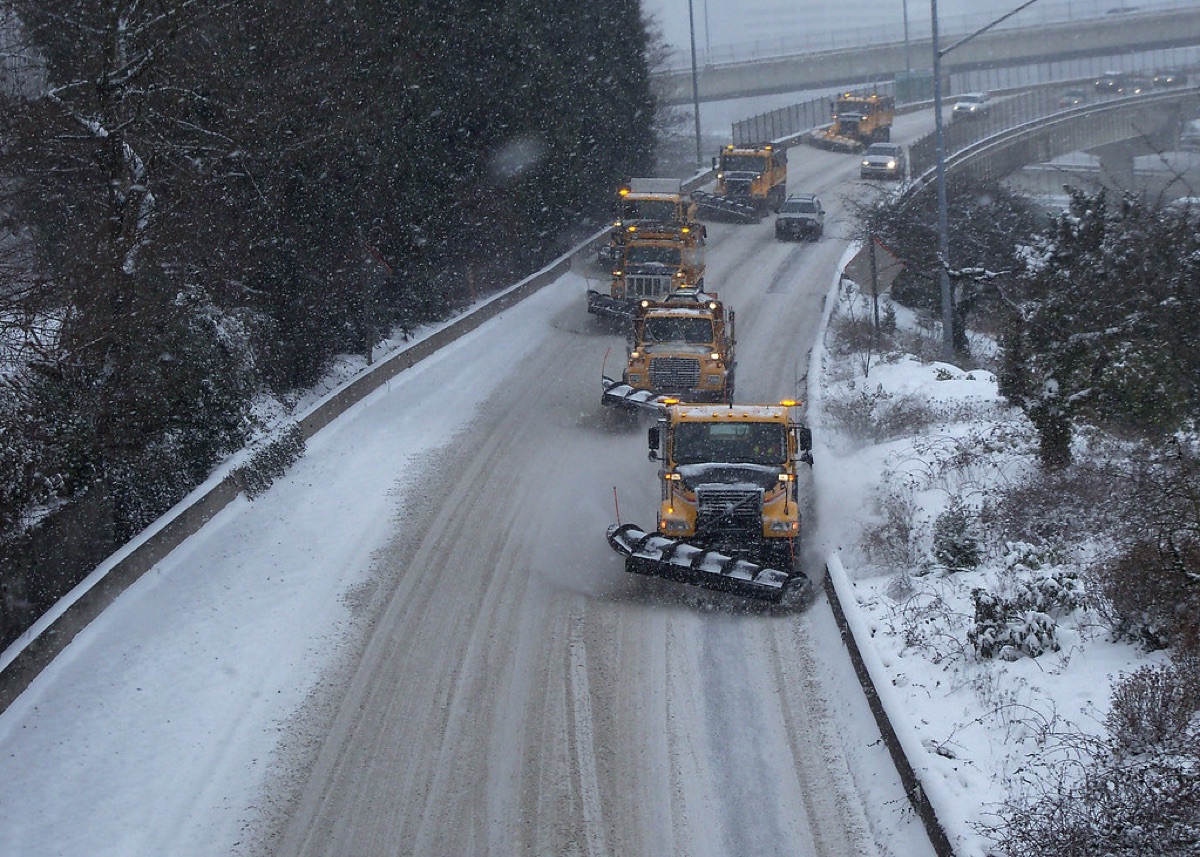
Before you go: The non-negotiable survival checklist
I stood in the frozen rental lot at dusk, feeling a cold knot of anxiety tighten in my stomach.
I remember standing in a rental car lot in Asahikawa in January 2025, looking at a vehicle that looked perfectly fine, yet feeling a knot of anxiety in my stomach. I realized then that a clean car doesn't mean a safe car in the snow.
Before you even turn the key, you must ensure your vehicle is prepared for the specific environment of Northern Japan. If you are renting a car, confirm it is equipped with winter tires (studless tires), which are standard in Hokkaido but essential to double-check.
- Verify Tire Condition: Check that the tread depth is sufficient for snow. In 2026, many rental agencies provide high-quality studless tires, but you should still verify they are fresh.
- Test the Battery: Cold weather drains batteries significantly faster than in temperate climates. Ensure your rental has a strong battery that can handle sub-zero starts.
- Pack an Emergency Kit: Always carry a small shovel, a heavy-duty ice scraper, and extra warm clothing in the backseat. If you get stuck in a snowdrift, you do not want to be sitting in a cold car without layers.
- Plan for Extra Time: Never plan your arrival based on standard estimates. If a map says it takes 2 hours to get from Sapporo to a mountain resort, budget 3 or 4 hours.
- Prepare for Visibility: Keep a spare pair of sunglasses and a high-quality microfiber cloth in the glove box to deal with sudden fog or ice buildup on the windshield.
On the road: How to handle deep snow safely
The tires spin against the white expanse, and for a second, you feel like you are floating on a cloud rather than driving a two-ton machine.
The sensation of "floating" is exactly what you want to avoid. When driving on snow or ice, your connection to the road is diminished. To maintain control, you must adopt a low-speed, steady-pace mentality.
* Speed Control: Keep your speed significantly lower than the posted limit. If the sign says 60 km/h, you might find that 30 or 40 km/h is the only safe way to navigate a winding mountain pass. * Braking Technique: Avoid sudden braking at all costs. If you need to slow down, lift your foot off the accelerator gradually. If your car has ABS (Anti-lock Braking System), use it if necessary, but remember that even with ABS, slamming the brakes on ice can cause a loss of steering control. * Visibility Management: "Whiteouts" are a real danger in Hokkaido. This happens when heavy snow or blowing snow obscures all landmarks, making it impossible to see the road or the horizon. If visibility drops to near zero, find a safe place to pull over or slow down significantly until you can see the road markings. * Traction Awareness: Understand that your car's traction changes based on the type of snow. Packed snow provides some grip, but ice provides almost none. Always assume the road is slicker than it looks.
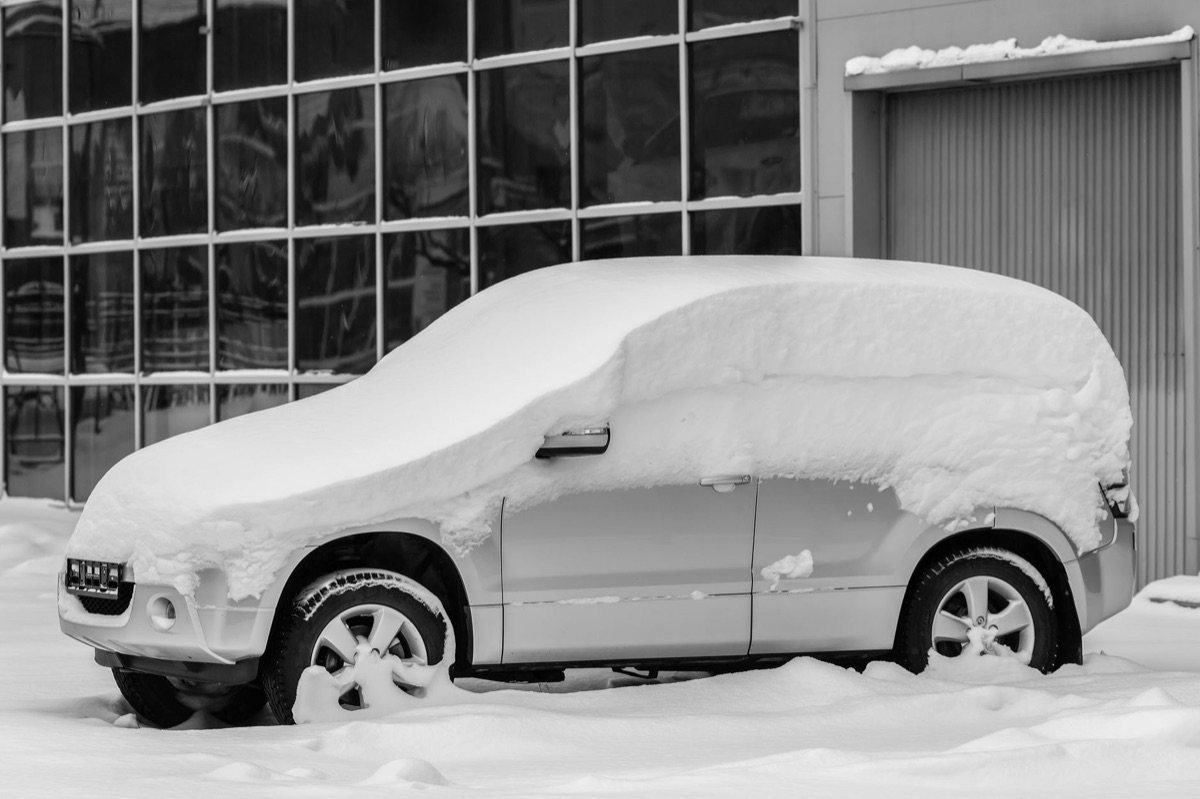
Beyond the drive: Essential logistics for winter travel
The sun sets early in the winter, and the transition from daylight to darkness often brings a sudden drop in temperature and a change in road grip.
Planning your trip requires a different kind of logic than a summer vacation. In the summer, you might drive from city to city in a single day. In the winter, your "base" should be your priority.
* Accommodation Strategy: It is often better to book a hotel in a central location like Sapporo or Hakodate and do day trips rather than trying to drive long distances between remote locations every night. This minimizes the time you spend on dangerous roads. * Activity Pairing: Match your driving intensity to your itinerary. If you are visiting a high-altitude ski resort like Niseko, prepare for much more intense snow conditions than you would find in the coastal areas. * Mid-Trip Contingency: Always have a "Plan B." If a heavy snowstorm is forecasted, be prepared to cancel your drive and stay in your current location for an extra day. Flexibility is the ultimate survival tool.
Summer vs. winter: The real difference in driving mindset
In the summer, the roads are wide, clear, and inviting, often leading you through blooming lavender fields in Furano.
The transition from summer to winter is a total shift in sensory input. In the summer, you drive to reach a destination; in the winter, the drive itself is a technical challenge that requires your full attention.
While summer driving is about efficiency and scenic routes, winter driving is about caution and survival.
The risks are also different. Summer risks often involve heat or long distances, whereas winter risks involve immediate physical hazards like ice, low visibility, and extreme cold. Understanding that you are entering a different "operating mode" is the first step to staying safe.
| Feature | Summer Driving | Winter Driving |
|---|---|---|
| Road Grip | High and consistent | Low and unpredictable |
| Visibility | Clear and wide | Prone to whiteouts/fog |
| Travel Time | Predictable | Highly variable |
| Focus Level | Moderate/Relaxed | High/Technical |
❓ Frequently Asked Questions (FAQ)
Q: Is it possible to drive through deep snow without specialized equipment? A: It is extremely risky. While some vehicles can push through light snow, deep snow can high-center a vehicle, leaving you stuck.
Always ensure your rental has proper winter tires and, if traveling to mountainous areas, check if snow chains are recommended.
Q: How much extra time should I budget for a standard drive? A: A good rule of thumb is to add at least 50% to your estimated travel time. If a GPS suggests a 60-minute trip, plan for 90 minutes. In extreme snow or ice conditions, you may need to double that time.
Q: What is the most critical piece of gear for a rental car? A: Beyond winter tires, a high-quality ice scraper and a small snow shovel are essential. If you find yourself stuck in a snowdrift, you will need these to clear the vehicle and prevent exhaust pipes from being blocked by snow.
Driving in Hokkaido is a privilege that allows you to see some of the most beautiful landscapes on earth. However, that beauty comes with a sharp edge.
By respecting the road, preparing your vehicle, and never rushing your journey, you can navigate the snow safely and enjoy the incredible sights of the north.


Comments 0