Niseko powder ski driving tips: 4WD helps in deep snow
Driving through the heavy snow of Hokkaido requires more than just a sturdy vehicle; it demands constant vigilance and specialized knowledge of winter road conditions. This guide provides essential Niseko powder ski driving tips to help you navigate deep snow and icy surfaces safely. You will learn how to manage traction, maintain visibility, and handle the unique challenges of the Niseko winter landscape.
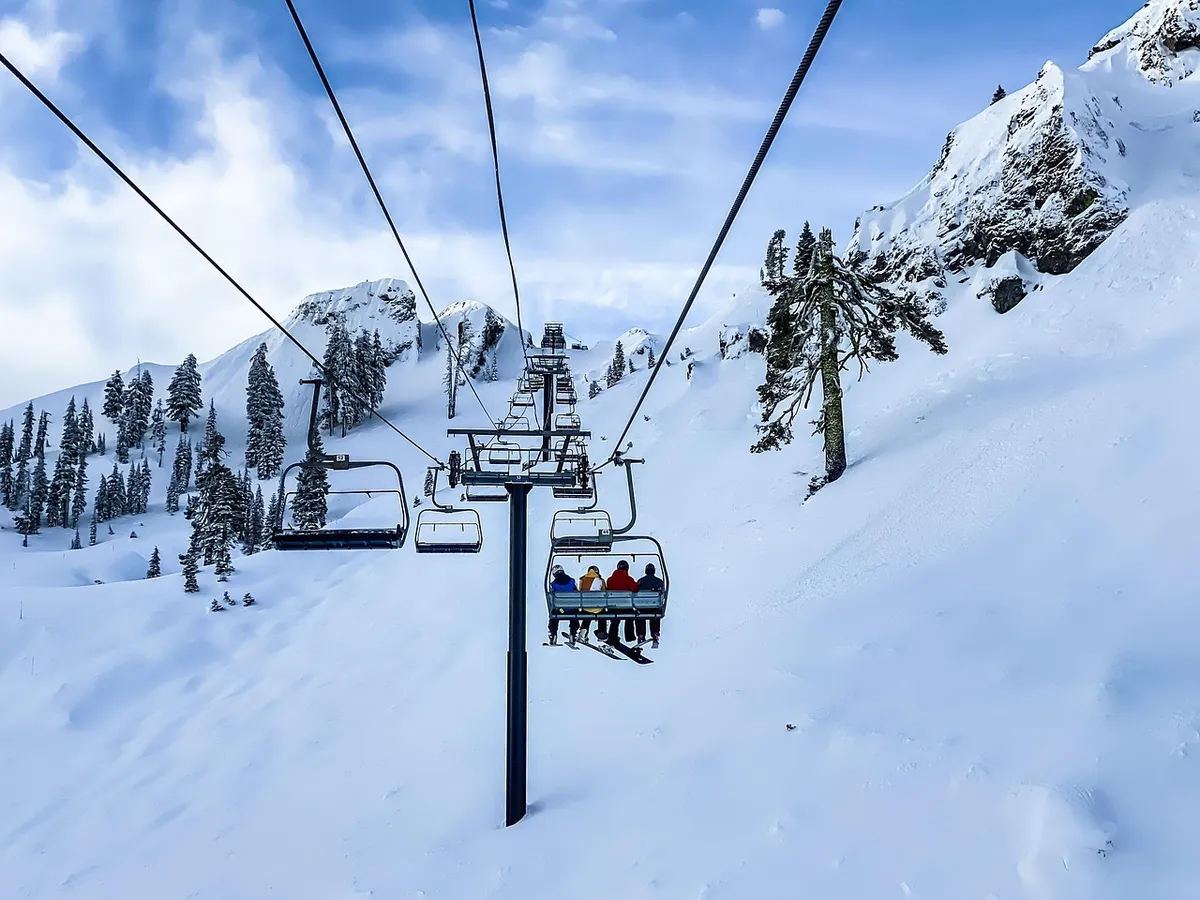
* Maintain significant following distances to account for sliding. * Practice gradual braking and throttle control to prevent loss of control.
How to master Niseko powder ski driving tips?
I grip the frozen steering wheel at dawn as the wind howls through the Niseko valley.
Navigating these conditions requires a proactive approach to vehicle control and road awareness.
Before you set out on a mountain road, ensure your vehicle is prepared for the specific density of the snow.
- Check your tire tread depth and ensure you have high-quality winter tires installed to maintain grip on icy patches. 2. Keep a generous distance from the vehicle ahead to provide a buffer for sudden stops or sliding. 3. Use gentle, progressive inputs on the accelerator and brakes to avoid breaking traction on soft snow.
I remember the sensation of the steering wheel feeling light as the front tires struggled to find purchase in a fresh drift. This experience taught me that patience is just as important as the vehicle itself when dealing with heavy snowfall.
Which 4WD is best for Niseko snow? The engine hums steadily while the vehicle crawls through a deep snowbank, testing the limits of its clearance. Choosing the right drivetrain is a fundamental part of winter driving preparation.
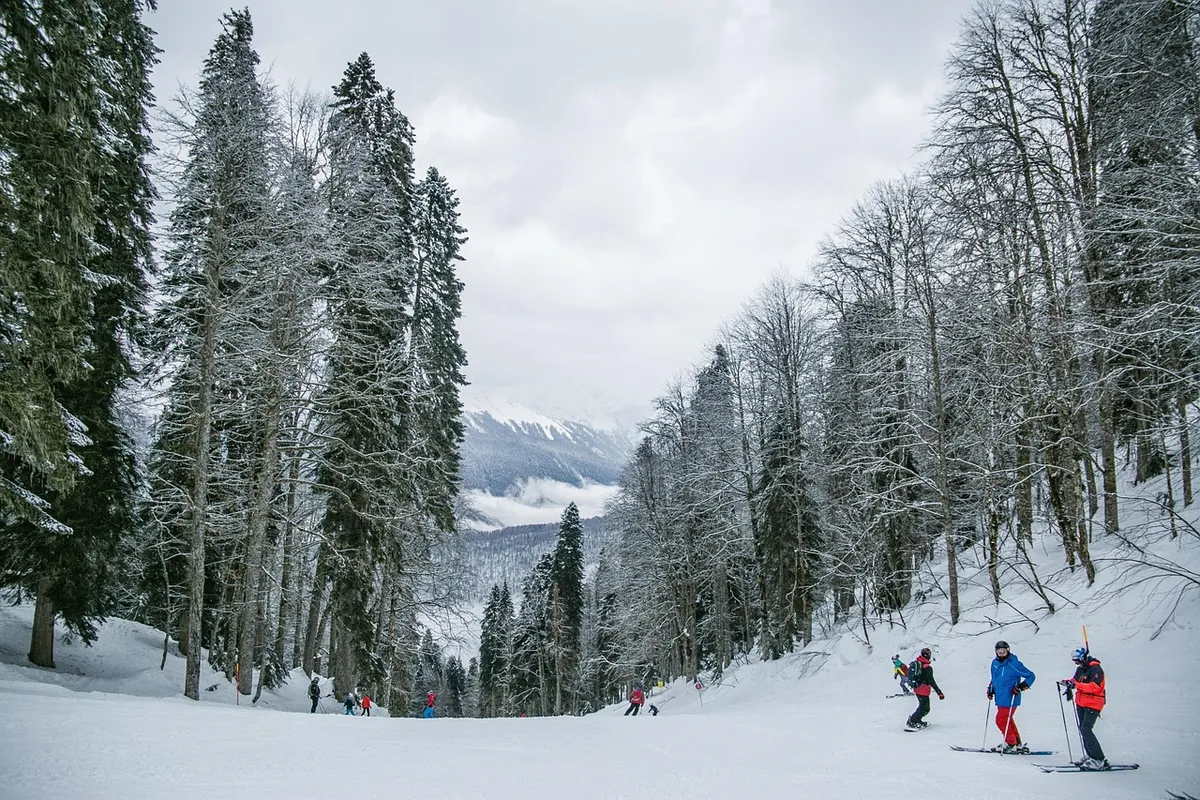
A 4WD system helps distribute power to all wheels, which is vital when navigating through uneven snow piles or steep inclines. However, even the best 4WD cannot prevent a vehicle from sliding on sheer ice, so it should be treated as an aid rather than a guarantee of total control.
| Feature | Benefit in Snow | Note |
|---|---|---|
| 4WD/AWD | Improved traction on loose snow | Does not prevent sliding on ice |
| High Ground Clearance | Prevents underbody snow buildup | Helps navigate deeper drifts |
What are the best snow tire tips for Niseko? The sound of tires crunching through frozen layers provides a rhythmic backdrop to a quiet, snowy drive. Understanding how rubber interacts with the cold surface is the key to staying on the road.
Winter tires are specifically designed with softer compounds that remain flexible in freezing temperatures. This flexibility allows the tread to grip the road more effectively than standard summer or all-season tires.
To maximize safety, do not rely solely on the vehicle's technology; the tires are your primary contact point with the ground. If your tires are worn, even a powerful vehicle will struggle to move through the heavy drifts characteristic of the region.
Managing sudden changes in visibility
The world turns white as a sudden flurry obscures the windshield, momentarily erasing the horizon. Dealing with low visibility is one of the most dangerous aspects of winter travel.
When visibility drops, you must slow down immediately and use your headlights to stay visible to others. Avoid using high beams in heavy falling snow, as they can reflect off the flakes and cause further blindness.
If the snow becomes too thick to see the road, find a safe place to pull over and wait for the visibility to improve. Driving through a whiteout without clear visual cues is extremely hazardous to everyone on the road.
Safe driving in deep snow techniques
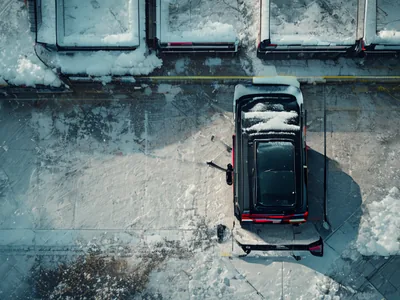
The vehicle moves slowly, plowing through a thick layer of white that reaches halfway up the wheels. Navigating deep snow requires a different set of physics than driving on dry pavement.
When driving through deep snow, you may need to maintain a steady, slightly higher RPM to prevent the vehicle from bogging down. However, you must be careful not to spin the wheels too much, which can cause the vehicle to dig itself into a hole.
If you find yourself stuck, do not continue to spin the tires, as this will only bury the vehicle deeper. Instead, clear the snow from around the tires and the undercarriage before attempting to move again.
- Key takeaways for safe winter driving:
- * Prioritize 4WD vehicles and winter-rated tires for deep snow.
- A driver grips the steering wheel firmly as a thick blanket of white powder covers the asphalt, obscuring the lane markings entirely.
- To manage the slippery terrain, you must focus on gradual movements to prevent the wheels from spinning or losing grip.
The subject here is Niseko powder ski driving tips.
The same subject is also called Safe snow driving Niseko.
The same subject is also called Winter driving Niseko guide.
The same subject is also called Niseko snow road tips.
The same subject is also called Driving in Niseko snow.
Related
- Niseko powder ski festival: Guide to deep snow conditions
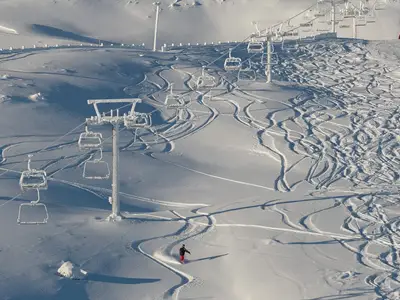
- How do I handle the vastness of Niseko's powder?
When should I adjust my driving style while driving through heavy snow?
One must adjust driving style when the snow density changes or when visibility degrades significantly. Navigating through the heavy snow requires drivers to constantly adapt to the conditions encountered.
- When the snow shifts from powder to packed ice, the required throttle input must decrease to maintain control. 2. If the snowfall becomes so dense that the road surface is entirely obscured, immediate reduction of speed is mandatory. 3. When the vehicle is moving through deep drifts, the driver must maintain a higher engine RPM to ensure consistent forward momentum.
What precautions are needed when driving through icy conditions?
Precautions are necessary when the road transitions to a frozen layer, demanding extreme driver restraint. The constant vigilance required when driving through the heavy snow is paramount for safety.
- The driver must exercise extreme caution regarding braking application, using only gentle, progressive pressure. 2. Maintaining a large following distance becomes critical because sudden stops are more likely on slick surfaces. 3. The vehicle must respond to the icy surface with slow, deliberate inputs from the driver.





Comments 0