How do I handle the vastness of Niseko's powder?
"The landscape of the north is as vast as the history that shaped it, presenting unique challenges to those who navigate its roads."
Navigating the snowy terrain of Hokkaido requires preparation and a deep understanding of local conditions to ensure a safe journey. This guide provides essential Niseko powder ski driving tips for travelers to manage winter road conditions effectively.

Key takeaways include maintaining low speeds, understanding regional geography, and respecting the environmental scale of the island.
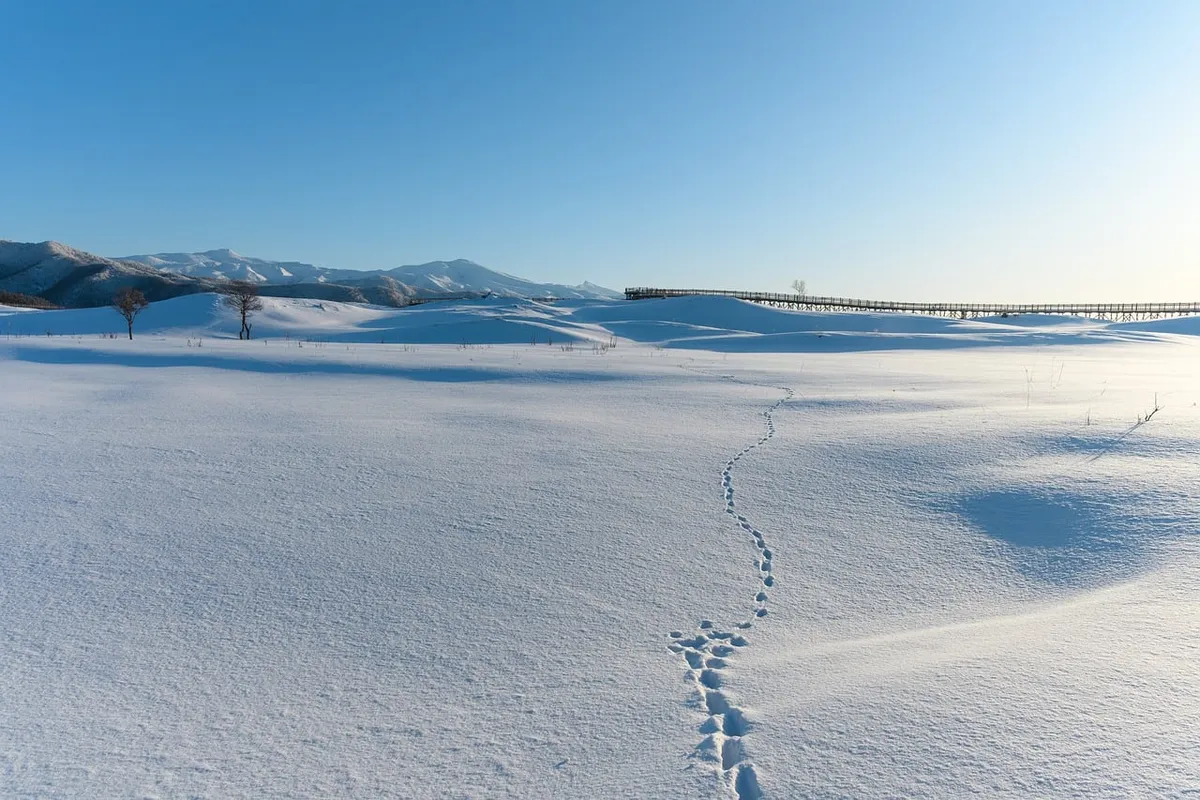
How do I handle the vastness of Niseko's powder? A traveler grips the steering wheel, looking out over a horizon that seems to stretch into infinity across the wide plains. The sheer scale of the island can be disorienting for those used to tighter urban environments.
According to the Development Commission, when establishing the Development Commission (開拓使, Kaitakushi), the Meiji government introduced a new name, Hokkaido, which can be translated to "northern sea route".
Hokkaido is a massive territory with diverse geography, including the Ishikari Plain, which covers 3,800 km2 (1,500 mi2), and the Tokachi Plain, which covers 3,600 km2 (1,400 mi2).
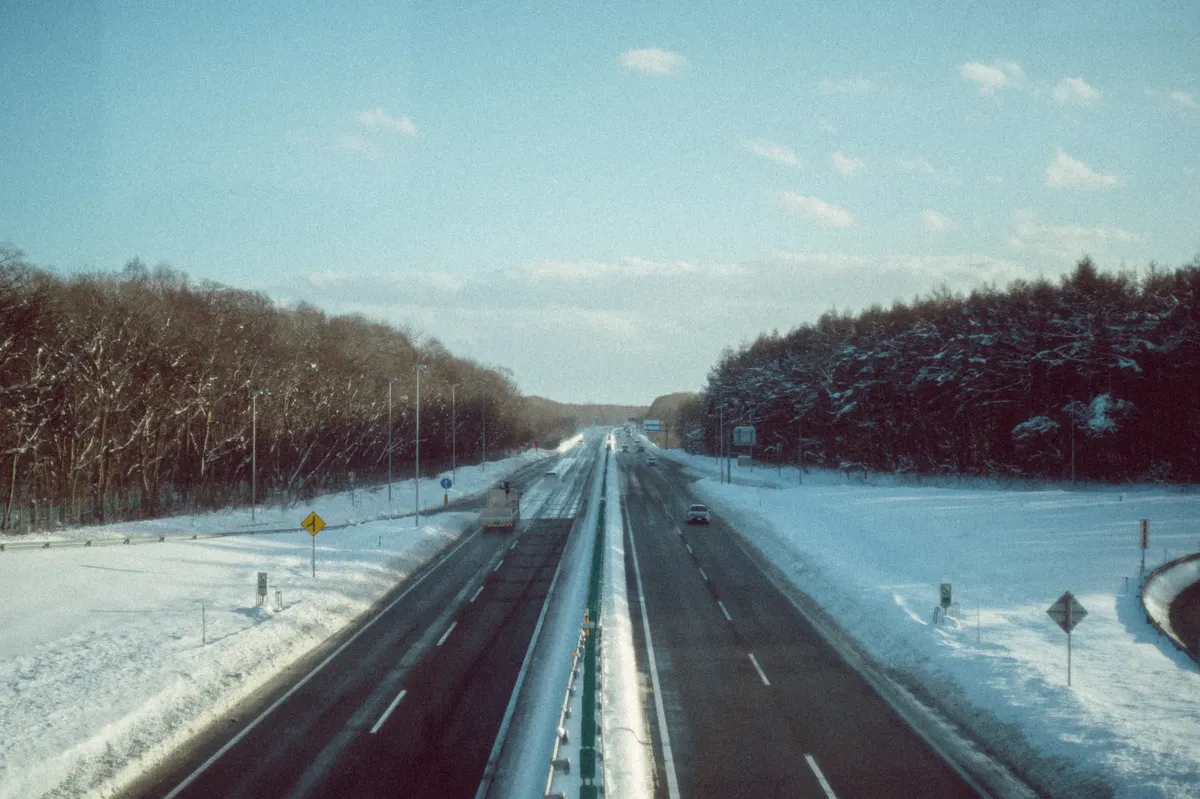
The Kushiro Plain, acting as the largest wetland in Japan, spans 2,510 km2 (970 mi2), while the Sarobetsu Plain covers 200 km2 (77 mi2). Understanding these expansive areas is vital for planning travel times and managing expectations when driving between destinations.
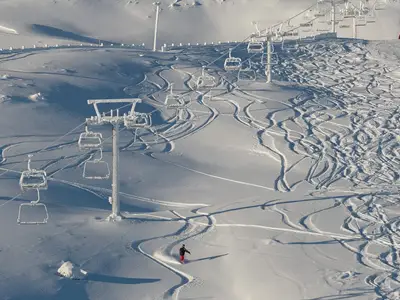
How can I navigate terrain safely in winter? Niseko powder ski driving tips The tires crunch over a layer of fresh snow as the vehicle moves slowly toward a distant mountain peak. Managing a car on slippery surfaces requires a different mindset than driving on dry asphalt.
Winter driving safety tips involve constant vigilance regarding traction and visibility. When the road becomes obscured by snow, drivers must adjust their speed to match the surface grip.
Maintaining a safe following distance is critical because braking distances increase significantly on ice or packed snow.
Preparing for the journey with a Nisech rental car guide
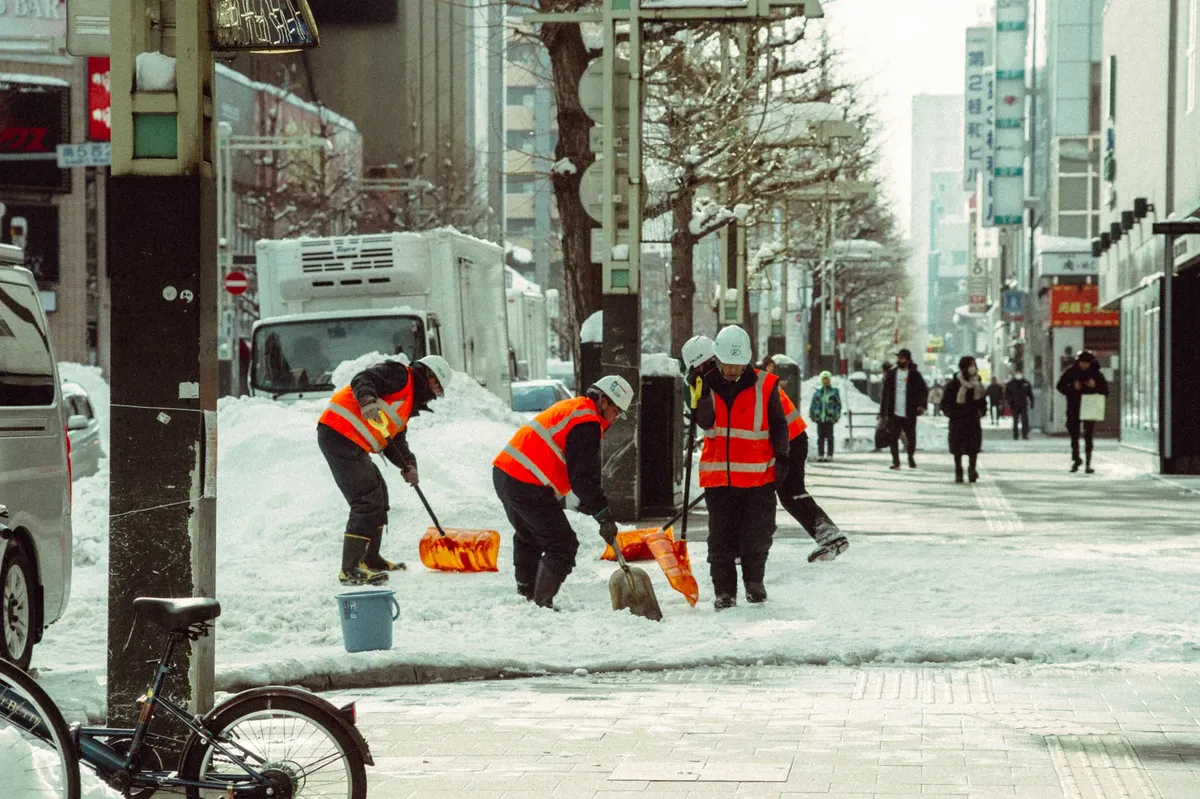
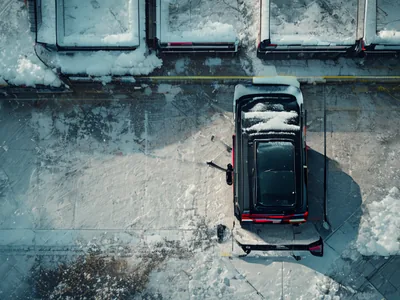
A traveler stands in a parking lot, checking the tire tread and clearing frost from the windshield before departure. Preparing the vehicle is the first step in a successful winter excursion.
A Niseko rental car guide should emphasize the importance of winter-ready equipment, such as studded tires or high-quality winter tires. Checking all lights and clearing snow from sensors or headlights ensures visibility for both the driver and others on the road.
I once found that checking the windshield wiper fluid levels before a long trip was just as important as checking the fuel.
Mastering seasonal shifts with driving in snowy Japan
The sun begins to set, casting long shadows over the white landscape as the temperature drops rapidly. Changing light and temperature can alter road conditions in a matter of minutes.
Driving in snowy Japan requires an awareness of how temperature fluctuations affect the road surface. Daytime melting can lead to black ice during the night, creating treacherous conditions for unsuspecting drivers. Always assume the road may be more slippery than it appears visually.
Managing road trips with driving tips for snow trips
The driver eyes the GPS, calculating the distance to the next rest stop while keeping an eye on the darkening sky. Planning the route is essential when traveling through remote or mountainous areas.
Effective driving tips for snow trips include planning for delays and ensuring you have enough fuel for the entire leg of the journey. Because the terrain can be unpredictable, it is wise to avoid driving late at night when visibility and temperature are at their lowest.
Having an emergency kit in the vehicle is a standard necessity for these trips.
How to handle difficult conditions?
A driver pulls over to the side of a quiet road, waiting for a heavy flurry to pass before continuing the journey. Knowing when to stop is just as important as knowing how to drive.
| Condition | Action |
|---|---|
| Heavy Snowfall | Reduce speed and increase distance |
| Black Ice | Avoid sudden braking or steering |
If the weather becomes too intense, pulling over at a safe, designated area is the best course of action. I always check the visibility before deciding to push forward on a mountain pass.
- How do I handle the vastness of Niseko's powder?
- How can I navigate terrain safely in winter?
- Preparing for the journey with a Nisech rental car guide
The subject here is Niseko powder ski driving tips.
The same subject is also called Safe snow driving Niseko.
This part also covers Niseko winter road rules.
Related
- How can drivers manage sudden snowsqualls?: 24 hours
- Niseko powder ski safety tips: Guide for heavy snow travel
Why is the landscape so vast?
The landscape of the north presents a scale that requires drivers to maintain a broader perspective than they might in smaller territories. This vastness encompasses plains like the Kushiro Plain, which is the largest wetland in Japan, necessitating slower speeds across its expanse.
The Ishikari Plain, another significant area, contributes to the overall impression of immense territory drivers must traverse.
What cautions apply to the journey?
The journey demands constant attention to the interplay between the vehicle and the environment. Drivers must remain acutely aware of how quickly conditions can shift, especially when transitioning between different surfaces or encountering temperature extremes.
The scale of the island dictates that journey planning must be thorough to account for potential environmental variables.


Comments 0