Biei Furano Flower Drive: Guide to Perfect Shots in Mid-July
"A single frame can capture the soul of a season, and in Hokkaido, that soul is written in petals and light."
If you are driving through the rolling hills of Biei and Furano, you aren't just traveling between towns; you are driving through a living canvas. To get the shot of a lifetime, you need to time your arrival with the bloom and master the light that dances across the hills.
Key Takeaways * Peak Bloom Timing: Aim for mid-to-late July to catch the maximum density of lavender and colorful annuals. * The Golden Hour Rule: Use sunrise for soft purples and sunset for warm, fiery reds and yellows.
* Compositional Depth: Use low-angle shots and leading lines to turn a flat field into a three-dimensional masterpiece.
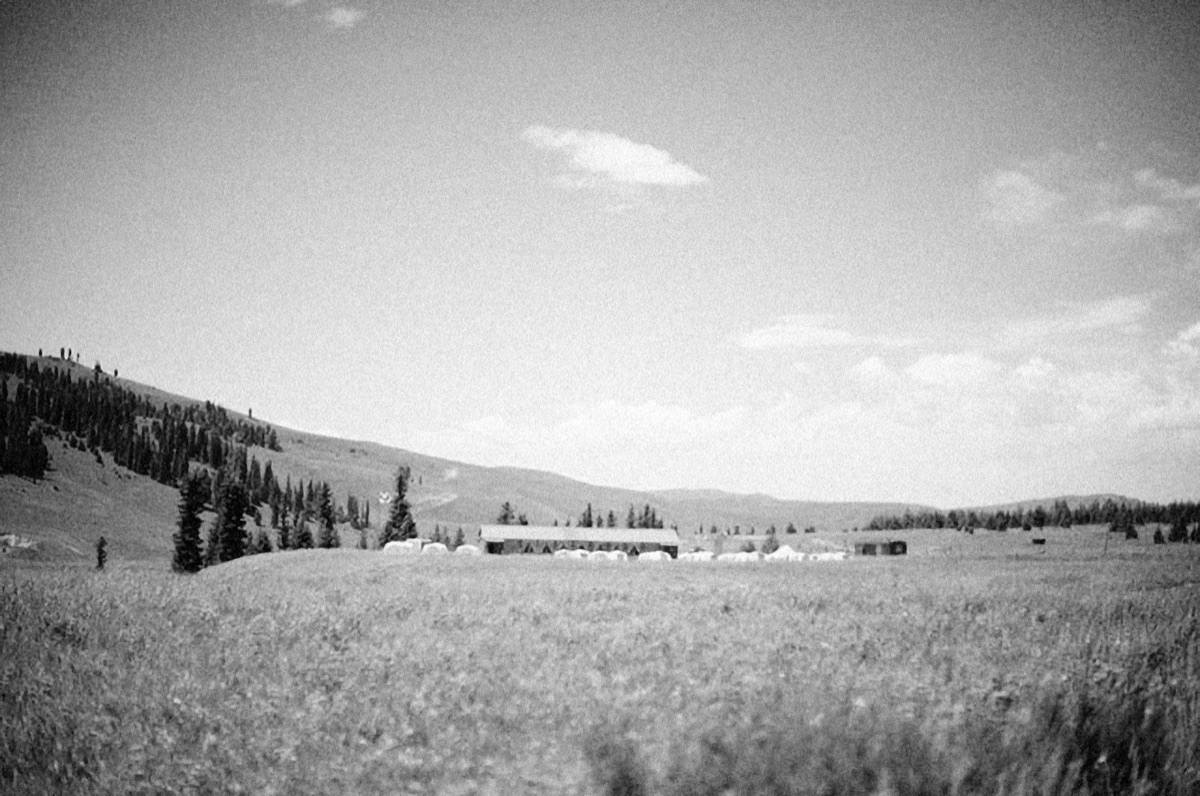
Where can I find the best colors off the main road? The engine hums quietly as the rental car winds through the patchwork of green and purple on a Tuesday morning in July 2026. The scent of damp earth and blooming flora drifts through the open window, and the vastness of the Hokkaido landscape stretches toward the horizon.
When most people think of a flower drive, they think of the famous, crowded parks. However, the true magic often lies in the transition zones between the groomed gardens and the wilder agricultural stretches.
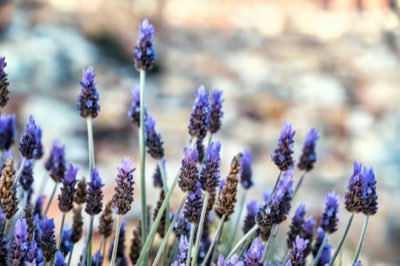
In the Furano area, the lavender fields are the crown jewel, but the sprawling hills of Biei offer a different kind of texture.
To capture the most iconic shots, you should look for fields where the floral density is high and the backdrop is unobstructed. In Furano, the lavender peaks in mid-July, creating a sea of violet that looks almost surreal against the blue sky.
In Biei, the rolling hills often feature seasonal crops and wildflowers that provide a more rhythmic, undulating landscape.
One specific technique is to look for "accessory shots" near the fields. Instead of just a wide shot of flowers, find a weathered wooden fence or a small, rustic farmhouse to include in the corner of your frame. This adds a sense of scale and human history to the natural beauty.
| Location Type | Primary Flora | Best Visual Characteristic |
|---|---|---|
| Furano Hillside | Lavender, Salvia | Intense purple saturation and scent |
| Biei Patchwork | Poppies, Marigolds, Wheat | Rhythmic lines and rolling topography |
| Roadside Verges | Wildflowers, Cosmos | Natural, uncurated texture and depth |
The transition from the purple hills to the winding roads creates a natural flow that leads the eye through the landscape.
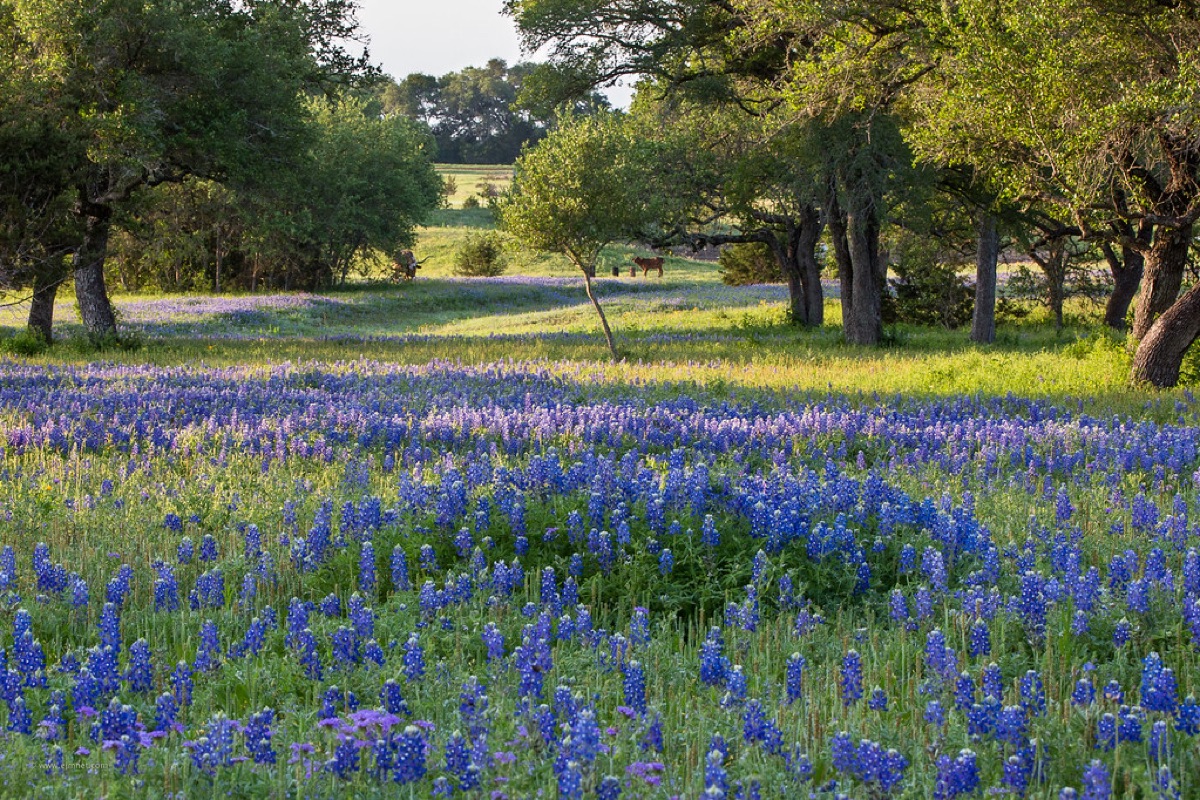
How do I find the perfect route and flow? The GPS indicates a winding path ahead, and the road narrows as it hugs the side of a gentle slope. You slow the car to a crawl, eyes scanning the horizon for that perfect intersection of road and bloom.
A successful photography drive requires a balance between transit and observation. The route between Furano and Biei is scenic, but the best shots often happen on the secondary roads that connect the larger hubs.
These narrower, winding paths offer the "layered" look that professional photographers crave.
When planning your route, prioritize roads that follow the natural contours of the hills. A road that curves through a field creates a "leading line" that pulls the viewer into the photo.
Avoid driving too fast; the best shots often require you to pull over at a scenic overlook or a quiet shoulder to adjust your tripod or lens.
Be mindful of the logistics. Many of the most beautiful access roads in the Biei area are narrow and intended for local agricultural use. Always ensure you are parked in a designated area and never block a farmer's access to their fields.
The goal is to capture the beauty without disrupting the livelihood of the people who cultivate it.
As you move from one field to the next, the changing light will dictate your next move.
Mastering the Shot: Angles and Gear for Pro-Grade Photos
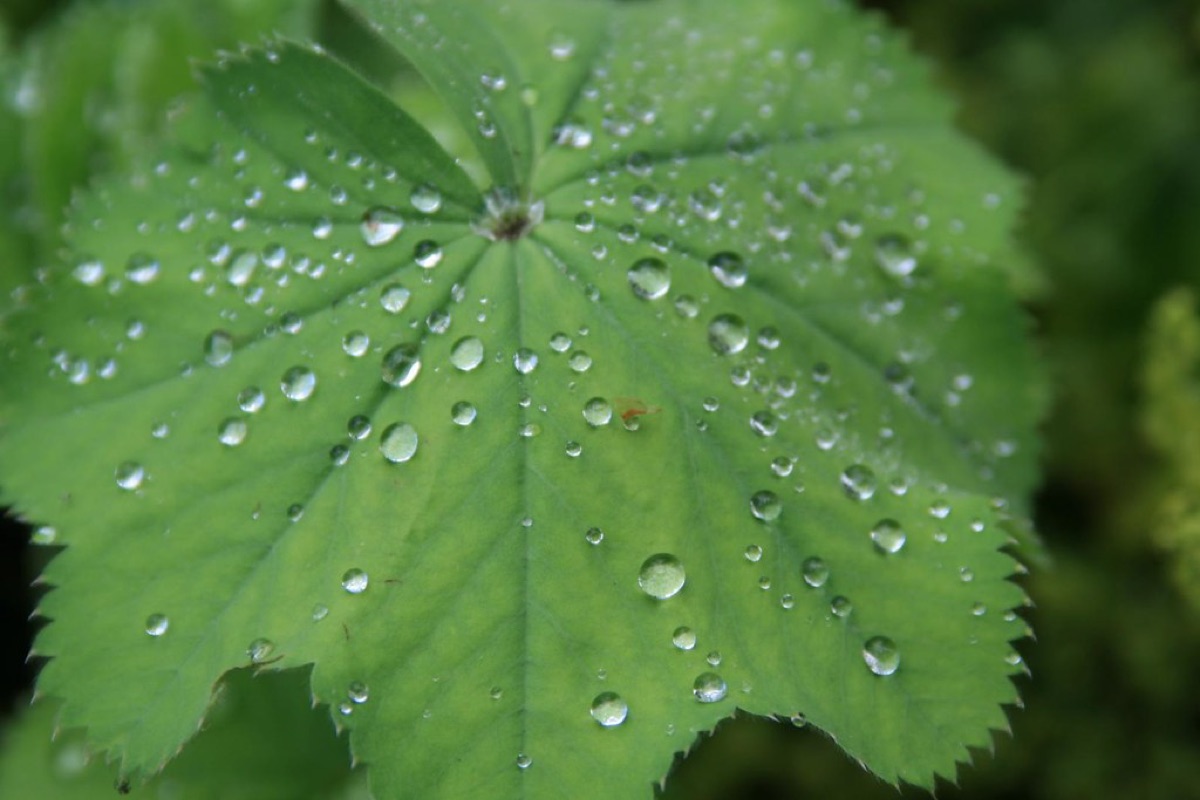
The camera lens clicks into place, and you crouch low, the grass tickling your knees. You adjust the focus ring, bringing a single, dew-covered petal into sharp relief while the rest of the world blurs into a soft haze.
To move beyond snapshots and into professional-grade photography, you must master the low-angle technique. Instead of standing and shooting downward at the flowers, get down to their level.
By placing the camera close to the ground, you emphasize the height and texture of the blooms, making the viewer feel as though they are standing right in the middle of the field.
Your gear choice should match your intent. A wide-angle lens is perfect for capturing the vastness of a sprawling lavender field, showing the scale of the landscape. However, a telephoto lens is equally important.
Using a telephoto lens allows you to "compress" the scene, making the distant hills and foreground flowers appear closer together, which creates a stunningly dense and colorful composition.
When shooting in the bright, midday sun, the light can be harsh and create "blown-out" white spots in your photos. To combat this, try shooting into the shadows or using a circular polarizer to manage reflections and enhance the saturation of the colors.
The time of day will ultimately decide the mood of your images.
Time of Day Playbook: Golden Hour vs. Midday Magic
The sun begins to dip toward the horizon, casting long, dramatic shadows across the valley. The purple of the lavender deepens into a rich violet, and the golden light catches the edges of the leaves, making the entire hillside glow.
The quality of light is the most important variable in your photography. The "Golden Hour"—the hour after sunrise and the hour before sunset—is the holy grail. During sunrise, the light is often cooler and softer, which beautifully enhances the blues and purples of the lavender.
During sunset, the light turns warm and orange, which makes red and yellow flowers pop with an almost incandescent glow.
If you find yourself shooting during the midday hours when the sun is directly overhead, you must adapt. Avoid shooting directly into the harsh sun unless you want a silhouette effect. Instead, look for areas of soft, diffused light or use the shadows to create contrast and depth.
When I first attempted this in the summer of 2025, I spent too much time driving and not enough time waiting for the light. Now, I follow a strict timeline to ensure I am in position.
Use this checklist to manage your photography schedule:
- Pre-Dawn Arrival: Arrive at your chosen field at least 45 minutes before sunrise to scout the best low-angle positions and set up your tripod.
- The Morning Session: Shoot between 5:00 AM and 7:30 AM to capture the cool, blue-toned lavender and the softest light.
- Midday Retreat: Between 11:00 AM and 2:00 PM, when the sun is harshest, move to shaded areas or focus on macro shots of single flowers to minimize harsh shadows.
- The Golden Hour Setup: Return to the hills by 4:30 PM to catch the warm, orange hues and long shadows of the late afternoon.
- Post-Sunset Reflection: Stay for 20 minutes after the sun vanishes to capture the "blue hour" and the deep, saturated purples of the landscape.
Always have a contingency plan for weather. A cloudy, overcast day can actually be a blessing, providing a natural "softbox" effect that eliminates harsh shadows and makes colors appear more saturated and even.





Comments 0