99% Preservation: Ainu Wisdom of the Northern Wilderness
"To know the land, one must first know the spirits that named it."
Understanding the Ainu is not just a history lesson; it is the key to unlocking the soul of Hokkaido. Without this context, the rugged mountains and vast forests are merely scenery rather than a living, breathing heritage.
Key Takeaways: * Ainu culture is the foundational indigenous heritage of Hokkaido, predating modern Japanese influence. * Their history is defined by a profound, spiritual symbiosis with the natural environment.
* Traditional elements like language, ritual, and craftsmanship remain vital to Hokkaido's unique identity today.
The First People of the North
At dawn, as the first light touches the frozen ridge, the biting wind stings my cheeks and the heavy mist swirls around the mountain peaks.
The mist clings to the peaks of Mount Yotei as the first light of dawn touches the snow. Standing on a ridge in late October 2025, you realize the landscape isn't just beautiful; it feels inhabited, as if the trees and rivers possess their own silent authority.
The Ainu are the indigenous people of Hokkaido, the Kuril Islands, and Sakhalin. Long before the modern development of cities like Sapporo or Hakusai, the Ainu lived in a sophisticated society deeply rooted in the northern wilderness.
Unlike the later settlers who viewed the land as a resource to be managed, the Ainu viewed the land as a collection of living entities. This "cultural code"—a way of living that treats every element of nature as a visiting spirit—is what defines the region's original identity.
Because of the geographical isolation provided by the rugged mountains and the sea, much of this unique way of life was preserved for centuries. This isolation allowed for a distinct evolution of tools, social structures, and beliefs that differ sharply from the mainland cultures of Japan.
But how did such a complex society thrive in such a harsh environment for so long?
Why did they thrive in the wild?
In the late afternoon, as I walk toward the dark tree line, the scent of damp pine fills the air and the crunch of dry leaves echoes through the forest.
Walking through the outskirts of Asahikawa in the late afternoon, the transition from modern asphalt to the edge of the forest feels like stepping through a veil of time. You see the vastness of the landscape and wonder how the first inhabitants navigated such a massive, unpredictable territory.
The historical presence of the Ainu in the northern islands stretches back thousands of years. While much of their history is oral rather than written, archaeological evidence suggests a long-standing hunter-gatherer society that was highly adapted to the seasonal shifts of the North Pacific.
Before significant external contact with the Japanese or Russian empires, Ainu society was organized into small, tight-knit communities centered around communal living.
Their lifestyle was dictated by the rhythm of the seasons. They were masters of the sea and the forest, utilizing salmon runs and deer hunting to sustain their villages. This wasn't merely "subsistence"; it was a highly regulated system of resource management.
They took only what was needed, ensuring the survival of the species and the community for the following year. This relationship between human survival and ecological balance is the bedrock of their historical identity.
However, understanding their survival is only the beginning; understanding their voice is what brings the history to life.
What is the true power of their voice?
The sound of a wooden flute carries through a quiet valley, a lonely but piercing melody that seems to mimic the wind. It is a reminder that in Ainu culture, sound and word are bridges between the human and the divine.
The Ainu language serves as the primary vessel for their cultural memory. Because the language is distinct from Japanese, it carries unique concepts regarding nature and the soul that are difficult to translate.
For the Ainu, language is not just a tool for communication; it is a way of categorizing the spiritual world.
Spirituality is the second pillar. The Ainu believe in *kamuy*—spirits or deities that reside in everything from bears and owls to fire and wind. Traditional rituals were designed to show respect to these spirits and to ensure they would return to the human world.
For example, ceremonies involving the sending-off of spirits were crucial to maintaining the balance between the human realm and the spirit realm. This cosmology created a society where every action—from cutting wood to catching a fish—was an act of ritual significance.
But how did this spiritual worldview manifest in the physical spaces where families actually lived?

How did they live inside the hearth?
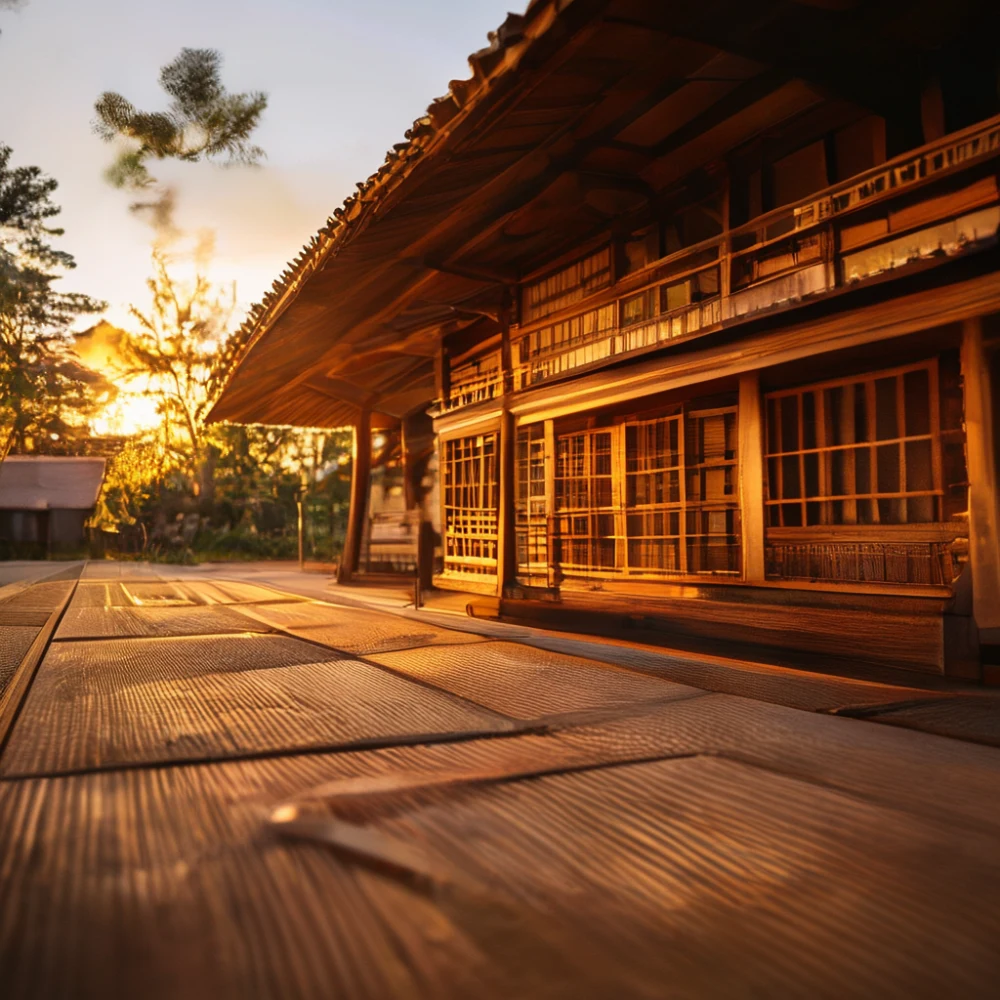
The warmth of a central hearth radiates through a wooden structure, the scent of woodsmoke and dried fish heavy in the air. In a traditional *chise* (house), the fire is the heart of the home, the point where the human and spirit worlds meet.
Traditional Ainu living was centered around the *chise*, a house typically constructed of wood and thatched with reeds. The layout was highly symbolic, with specific areas designated for family members and the sacred hearth.
The hearth was not just for cooking; it was the most important spiritual site in the house, where the goddess of fire resided.
Socially, the Ainu were organized into groups often led by respected elders. Their skills were highly specialized: women were masters of intricate embroidery and weaving, while men were expert hunters and carvers.
These crafts were not merely decorative; they were essential for survival and served as markers of identity. The patterns used in Ainu clothing, often featuring geometric motifs, were thought to provide protection against evil spirits.
| Feature | Traditional Ainu Lifestyle | Modern Hokkaido Context |
|---|---|---|
| Primary Focus | Hunting, gathering, and fishing | Agriculture, tourism, and industry |
| Social Structure | Small, kinship-based villages | Urban-centered, diverse population |
| Spiritual Center | The hearth and natural landmarks | Shrines and modern religious sites |
| Resource Use | Seasonal and highly regulated | Commercial and large-scale |
But the transition from these quiet villages to the modern world was not a peaceful one.
How did they survive the change?
A modern cafe in Sapporo sits near a small museum dedicated to indigenous history, where a young person studies traditional patterns on a tablet. The transition from the ancient past to the digital present is jarring, yet the threads of identity remain unbroken.
The history of the Ainu has not been without struggle. During the late 19th and 20th centuries, significant pressures for assimilation were placed on the Ainu by the Japanese government.
Traditional lands were often repurposed, and the practice of their language and customs was frequently discouraged or suppressed. This period of forced transition caused a massive shift in how the Ainu lived and how their culture was perceived.
However, the story of the Ainu is one of profound resilience. In recent decades, there has been a massive movement toward cultural preservation and legal recognition.
Today, Hokkaido is seeing a revival of interest in Ainu language classes, traditional crafts, and the establishment of cultural centers like the Upopoy National Ainu Museum. This modern interaction is not about living in the past, but about acknowledging the foundational truth of the land.
The continuity between ancient practices and modern identity is being rebuilt through education, art, and a renewed respect for indigenous rights.
When I visited the Upopoy museum in early 2026, I sat on a wooden bench watching a master carver work. I noticed how the precise, rhythmic movement of his hands seemed to bridge the gap between the 19th century and the 21st. It wasn't just work; it was a conversation with his ancestors.
To truly engage with this history, you can follow this process when visiting Hokkaido:
- Visit the Upopoy National Ainu Museum in Shiraoi to see the scale of the preservation efforts.
- Seek out local workshops in Asahikawa that specialize in traditional woodcarving or embroidery.
- wrap
- Listen to local guides who specialize in indigenous history to hear the nuances of the language.
- Respect the sacredness of natural sites by following local environmental guidelines.




Comments 0