Niseko powder ski festival: Guide to deep snow conditions
"The snow falls heavy and silent, transforming the landscape into a white canvas of endless possibility."
This guide covers the environmental factors of the region, essential preparation for cold climates, and the seasonal variations that define the best powder ski scene.
Why is the weather perfect for Niseko's powder festival? At dawn, I watch the heavy flakes fall over the niseko slopes while the freezing air stings my cheeks.
The atmosphere is crisp, and the air feels thin but refreshing against the face.

The climate in the region provides the foundation for a Nisech powder ski festival. The annual average precipitation in the surrounding area is around 1,100 mm (43.3 in), ensuring a consistent supply of moisture for snow production.
This moisture often results in the deep snow powder trip enthusiasts seek during the winter months.
The mean annual temperature sits at 8.5 °C (47.3 °F), which keeps the landscape temperate for much of the year. While this reflects an annual average, the winterly shifts provide the freezing conditions necessary for quality snow.
Travelers should prepare for significant temperature swings depending on the season.
How should one prepare for extreme winter temperatures? Niseko powder ski festival
As the wind howls through the mountain pass, I pull my heavy coat tight against the biting cold of niseko.
A traveler pulls a thick scarf tight around their neck as the wind howls across the plain. The biting cold is a physical presence that demands respect and proper gear.
Preparing for a deep snow powder trip requires understanding the historical extremes of the region. The coldest temperature ever recorded was −28.5 °C (−19.3 °F) on February 1, 1929. Such low temperatures necessitate high-quality thermal layers and windproof shells.
When managing gear, follow these steps: 1. Layer moisture-wicking base layers to manage perspiration effectively. 2. Use heavy insulated outer shells to block the wind. 3. Carry thermal accessories like gloves and heated socks to prevent frostbite.
Always check the local forecast before heading into the mountains to ensure your gear matches the day's specific conditions.
How do seasonal variations affect the snow quality?
The sun rises over a white horizon, casting long shadows across the fresh drifts. The transition from autumn to winter changes the texture of the ground entirely.
Seasonal changes dictate the Niseko powder snow quality experienced by visitors. While summer brings warmth, the winter months bring the heavy precipitation needed for a great Niseko powder ski festival. The shift in temperature determines whether the snow remains light and airy or becomes heavier.
The history of the region shows that temperatures can vary wildly. The highest temperature ever recorded in the area was 36.3 °C (97.3 °F) on August 23, 2023. This wide range from the historical low to the summer peak highlights the importance of versatile travel planning.
What does the northern landscape actually look like? A hiker looks out over a vast, flat expanse where the mountains meet the horizon. The scale of the land is immense and breathtaking.
According to the Development Commission, the Meiji government introduced the name Hokkaido when establishing the Development Commission (開拓使, Kaitakushi), a name that can be translated to "northern sea route".
The geography of the northern region includes massive plains that shape the local environment. For instance, the Ishikari Plain covers 3,800 km2 (1,500 mi2), while the Tokachi Plain covers 3,600 km2 (1,400 mi2).
These large landmasses contribute to the unique weather patterns and snow accumulation seen in the mountains.
The Kushiro Plain is another significant feature, spanning 2,510 km2 (970 mi2) and serving as the largest wetland in Japan. The Sarobetsu Plain covers 200 km2 (77 mi2). These diverse terrains provide a backdrop to the snowy adventures of the north.
How can travelers navigate the local terrain?
A driver grips the steering wheel, navigating a winding road through a white landscape. The journey through the snow requires focus and careful planning.
Navigating the vastness of the northern plains often requires specific transport strategies. Some travelers might rent car for powder trip purposes to reach remote slopes. Others might utilize the rail system, such as a JR pass powder journey, to move between major hubs.
Safety is paramount when moving through these regions. Adhering to safety rules powder day protocols is essential to avoid getting stuck or lost in deep drifts.
| Feature | Measurement |
|---|---|
| Ishikari Plain | 3,800 km2 (1,500 mi2) |
| Tokachi Plain | 3,600 km2 (1,400 mi2) |
I carefully checked my gear against the temperature charts before starting my journey.
What are the limitations of seasonal travel?
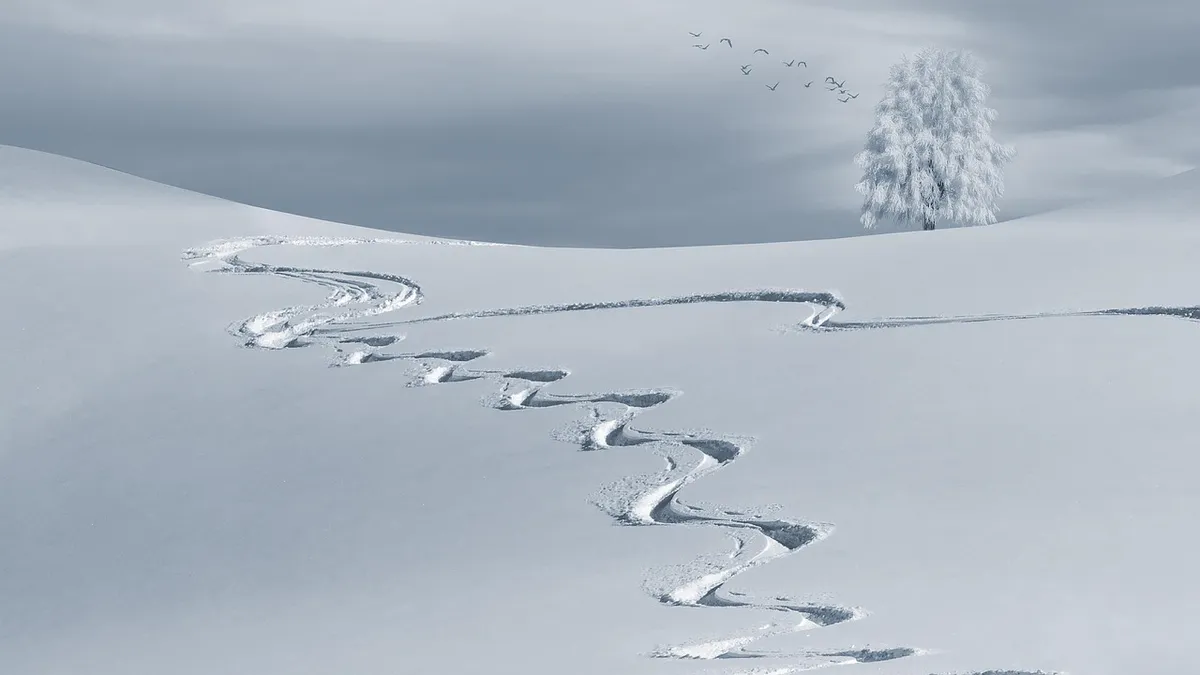
The clouds hang low over the peaks, obscuring the view of the distant mountains. The unpredictable nature of the weather can change plans in an instant.
A limitation for travelers is the extreme temperature variability, such as the record low of −28.5 °C (−19.3 °F) recorded on February 1, 1929. This extreme cold can make certain outdoor activities difficult or dangerous without specialized equipment.
- The Niseko powder ski festival offers travelers a chance to experience world-class snow conditions.
- The annual average precipitation in the surrounding area is around 1,100 mm, ensuring a consistent supply of moisture for snow production.
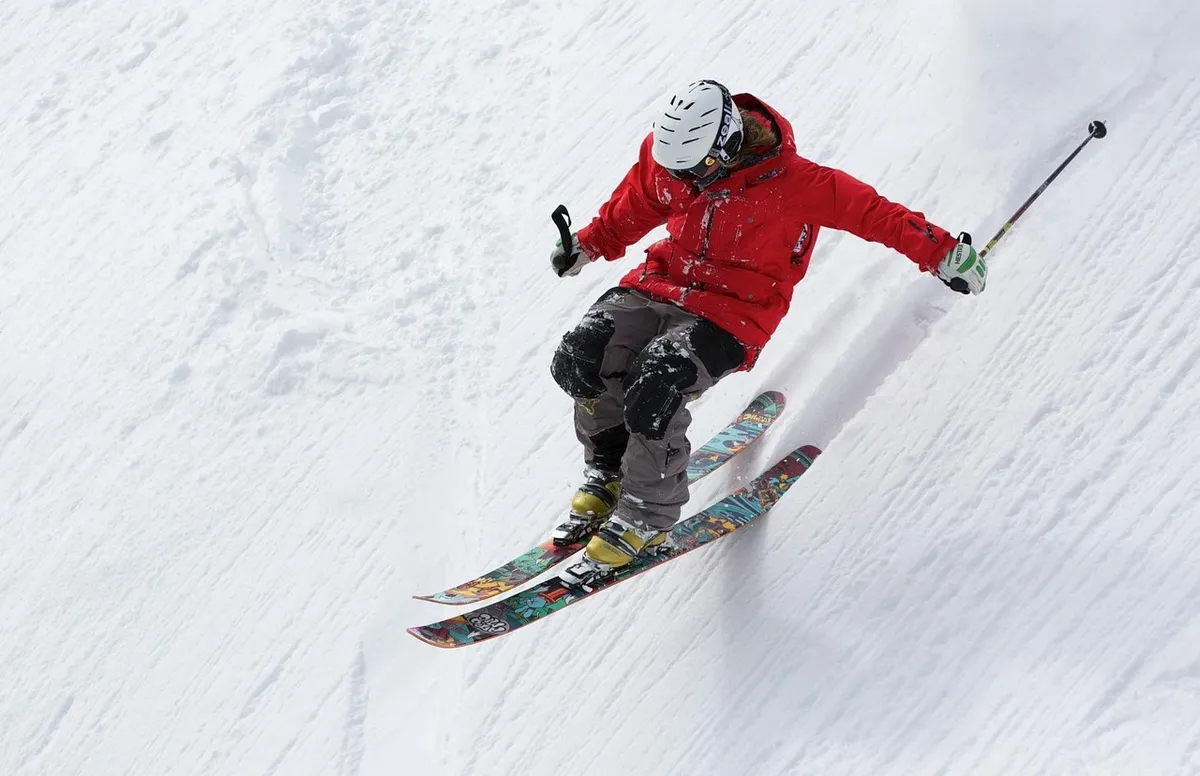
- The skier stands at the top of a slope, watching the heavy flakes drift through the air.
The same subject is also called Snow festival powder drifts.
Rent car for powder trip
Related
- How do I handle the vastness of Niseko's powder?
- How can drivers manage sudden snowsqualls?: 24 hours
How does the snow affect the journey?
The snow falls heavy and silent, demanding constant awareness from those traversing the slopes. This accumulation dictates the success of the powder experience.
- The deep drifts formed from the moisture-laden air masses provide the desired powder conditions. 2. Navigating these drifts requires the proper gear discussed earlier to maintain warmth and mobility. 3. The sheer volume of the snow accumulation is a direct result of the region's consistent moisture supply.
When is the best time for powder skiing?
The winter months offer the ideal conditions for the Niseko powder ski festival. This is when the combination of cold air and high precipitation creates the desired snowpack.
What cautions should climbers take regarding the environment? The environment presents conditions that demand extreme caution from all visitors. The crisp atmosphere, while beautiful, carries the potential for rapid temperature drops. Travelers must respect the wide thermal range swings inherent to the location.
- The potential for freezing conditions is present, even if the annual average temperature is moderate. 2. The high precipitation contributes to the deep snow falls, which can accumulate rapidly. 3. The thin air at higher elevations requires awareness of physical exertion levels.
These factors underscore the need for thorough preparation before venturing into the mountainous terrain.





Comments 0