How can drivers manage sudden snowsqualls?: 24 hours
"This type of snowsquall generally lasts less than 30 minutes at any point along its path, but the motion of the line can cover large distances."
Navigating through a winter storm requires understanding the unpredictable nature of frozen precipitation and the physical characteristics of the snow on the road.
Drivers must prepare for rapid changes in visibility, varying snow depths, and the unique ways moisture behaves at sub-zero temperatures.

This guide covers essential snow driving safety through understanding weather patterns, managing snow depth, and recognizing the physical properties of winter precipitation.
How can drivers manage sudden snowsqualls?
A driver grips the steering wheel as a wall of white suddenly obscures the windshield, turning day into night within seconds. This sudden loss of visibility is a hallmark of specific weather events that can catch unprepared travelers off guard.
A snowsquall generally lasts less than 30 minutes at any point along its path, but the motion of the line can cover large distances.
This means that while a single location might experience a brief flurry, the storm front itself moves across the landscape, potentially catching drivers in different stages of visibility.
Understanding this movement is vital for winter driving tips because a clear road can transform into a whiteout almost instantly.
What defines the height of new snow? Snowy road driving safety
A driver stares at a yardstick partially buried in a white mound, trying to gauge how much accumulation has occurred overnight. Measuring the depth of fresh snow is necessary to understand the traction levels and the potential for vehicles to become stuck.
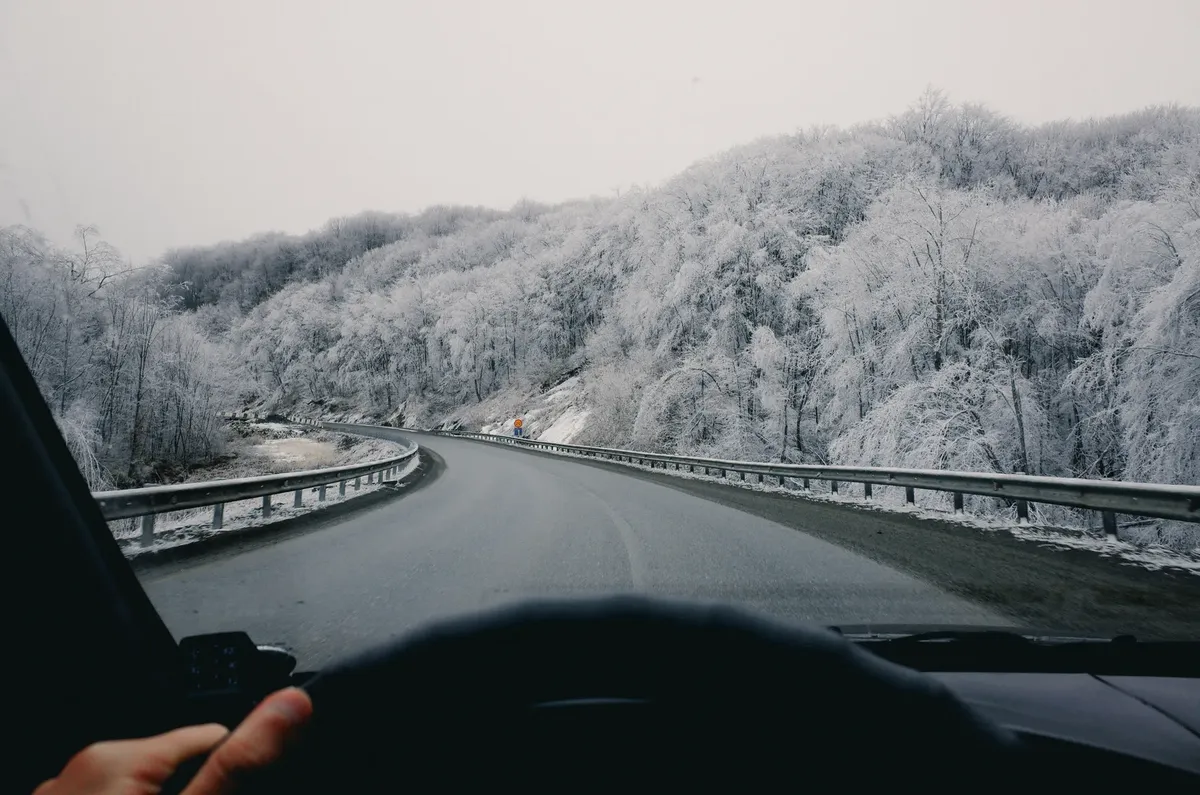
The International Classification for Seasonal Snow on the Ground defines "height of new snow" as the depth of freshly fallen snow, in centimeters as measured with a ruler, that accumulated on a snowboard during an observation period of 24 hours, or other observation interval.
This measurement helps in assessing the severity of the accumulation. When planning a trip, knowing the accumulation rate helps in implementing safe winter travel guide practices.
How do temperatures affect liquid droplets?
A driver notices beads of water on the side mirror that refuse to turn into ice despite the freezing air. This phenomenon can lead to deceptive road conditions where surfaces appear wet but are actually dangerously slick.
These droplets are able to remain liquid at temperatures lower than −18 °C (0 °F), because to freeze, a few molecules in the droplet need to get together by chance to form an arrangement similar to that in an ice lattice.
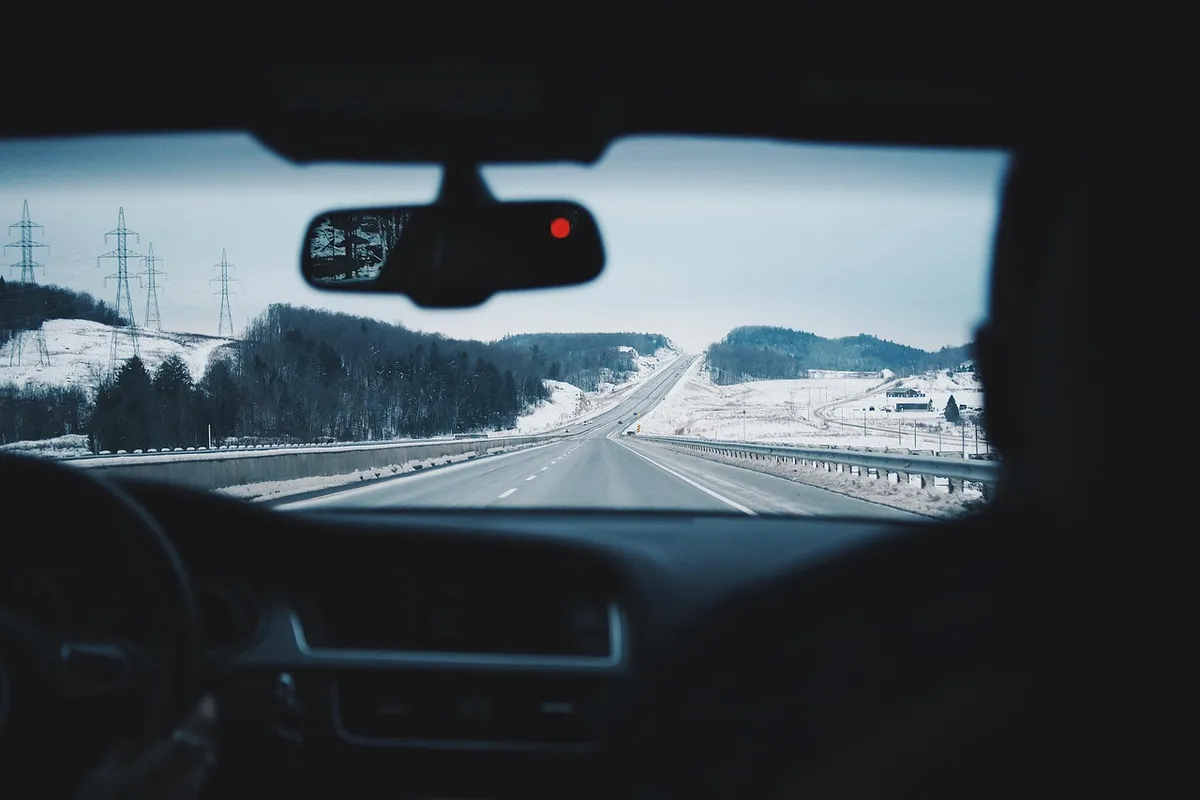
This physical property means that even in extreme cold, liquid water can exist on the road surface. Recognizing these conditions is part of an effective driving in snow guide to prevent hydroplaning or sudden loss of control.
How do snow densities change over time?
A driver feels the heavy resistance of the tires as they push through a dense, packed snowbank at the edge of the highway. Over time, the physical structure of the snow changes, affecting how much effort is needed to clear roads or navigate through them.
According to the International Association of Cryospheric Sciences, snow metamorphism is "the transformation that the snow undergoes in the period from deposition to either melting or passage to glacial ice".
Over the course of time, a snowpack may settle under its own weight until its density is approximately 30% of water. By late spring, snow densities typically reach a maximum of 50% of water. These shifting densities mean that the road surface can change from soft, fluffy powder to hard, packed ice.
Keeping these density changes in mind is a key component of safe snow driving.
What are the steps for preparing a vehicle for extreme snowfall?
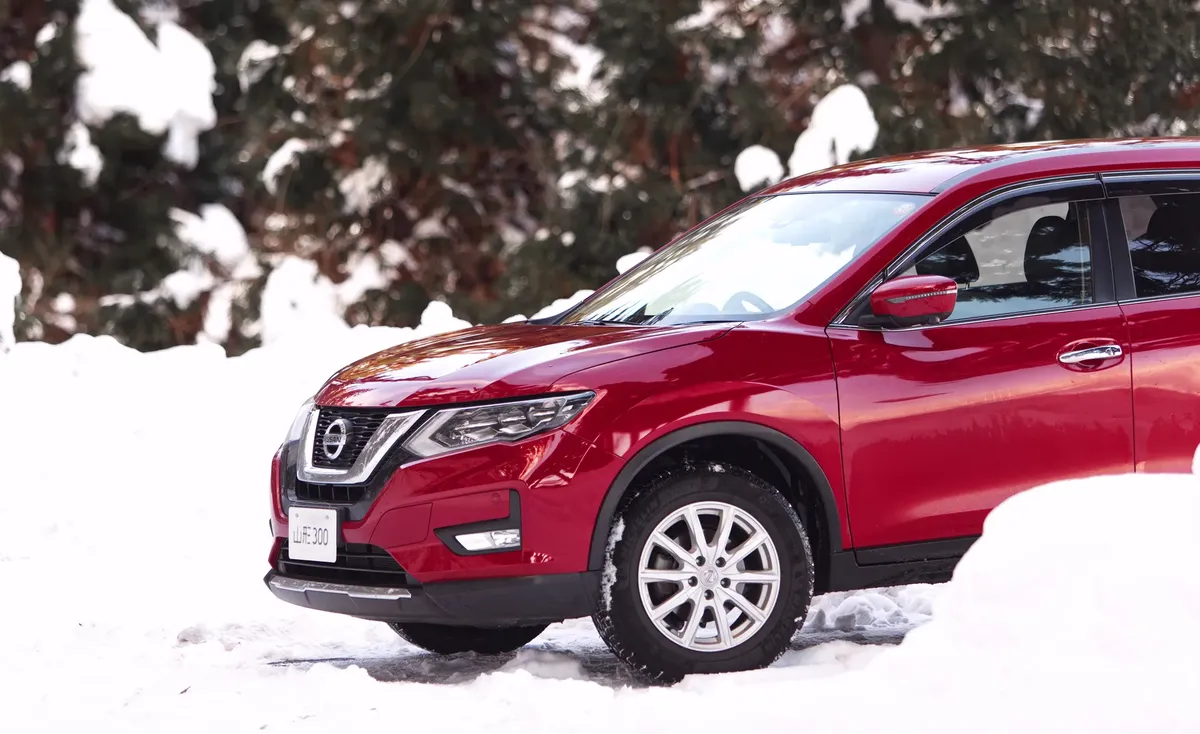
A driver stands in a driveway, brushing thick layers of white powder off the hood and checking the tire treads. Preparing for high-accumulation areas requires a systematic approach to ensure the vehicle can handle the weight and depth of the snow.
- Clear all windows and mirrors thoroughly to ensure maximum visibility before moving. 2. Check tire pressure and tread depth to ensure adequate grip on potentially slick surfaces. 3. Verify that all emergency supplies are accessible within the cabin.
I once had to clear a massive amount of snow from my windshield before I could even see the hood, which reminded me how much visibility matters. Following these steps ensures that you are ready for any winter road precautions.
How much snow can accumulate in extreme regions?
A driver looks up at the towering peaks of a mountain range, realizing the sheer volume of snow that can accumulate in certain parts of the world. Some regions face much higher accumulation than others, making certain routes much more hazardous.

Certain regions experience extreme snowfall, such as Mount Baker, which received 2,896 cm (95.01 ft) of snow, surpassing the previous record holder, Mount Rainier, Washington, which during the 1971–1972 season received 2,850 cm (93.5 ft) of snow.
Such massive amounts of snow illustrate the scale of winter weather. Understanding these extremes is essential for those traveling through high-altitude or high-latitude areas.
- How can drivers manage sudden snowsqualls?
- What defines the height of new snow?
- How do temperatures affect liquid droplets?
The subject here is Snowy road driving safety.
This part also covers Essential snow driving tips.
This part also covers How to drive in snow.
Essential snow driving tips
Related




Comments 0