K-pop's Global Reach: 7.8 Billion Posts Prove Its Power
"Music is a universal language, but K-pop has turned it into a global conversation."
K-pop has evolved from a regional genre into a dominant global cultural force that shapes lifestyles across generations. It has shifted from highly choreographed pop acts to a sophisticated, multi-sensory art form that blends cutting-edge production with intense visual storytelling.
* Cultural Icon Status: It is no longer just music; it is a lifestyle encompassing fashion, digital community, and performance art. * Visual-First Innovation: The transition from "listening" to "watching" created a unique, high-engagement model for global fans. * Digital Dominance: Social media and rapid technological shifts have allowed the genre to bypass traditional gatekeepers to reach global markets instantly.
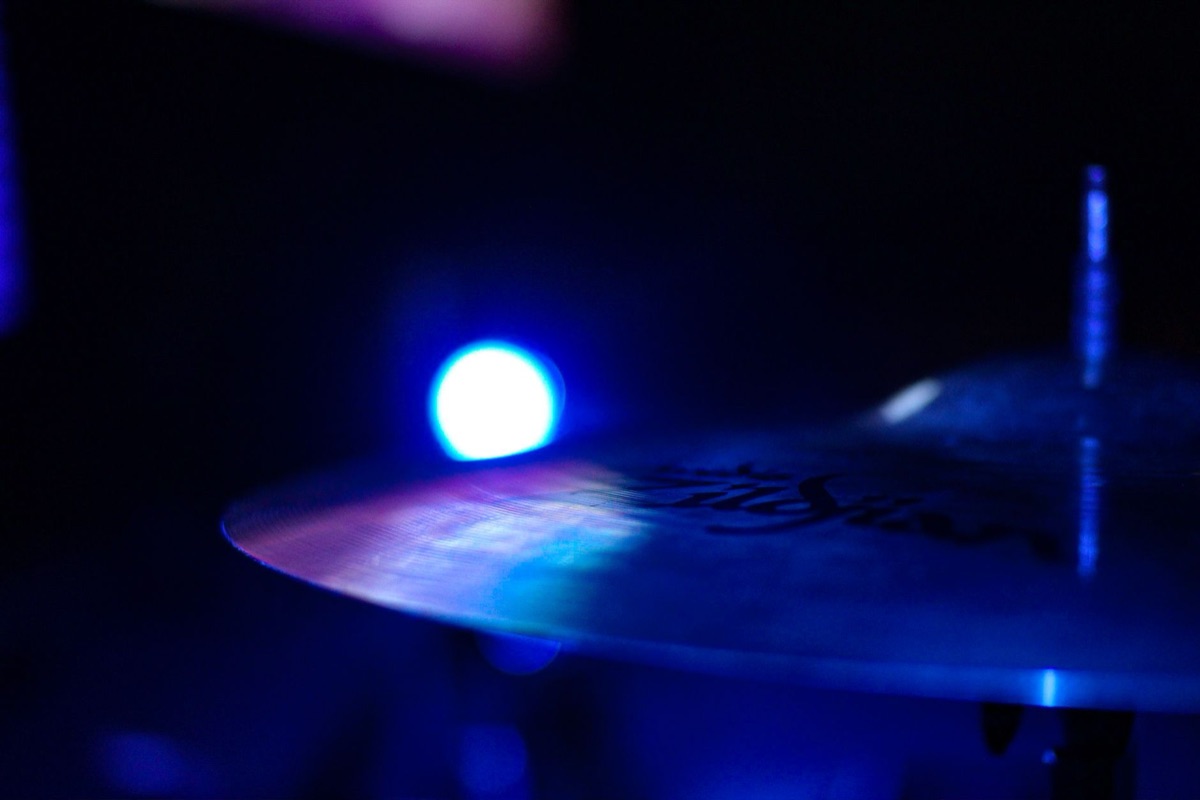
How did they go from pop stars to global icons? The arena is pitch black, save for a single, blinding white spotlight cutting through a haze of stage fog. Suddenly, a heavy bassline shakes the floor, and a group of performers moves with a precision that looks almost superhuman, their silhouettes cutting sharp lines against the light.
K-pop has moved far beyond the era of simple catchy tunes. It has become a complex art form where individual identity meets collective precision.
Early groups established the blueprint of synchronized choreography, but modern artists have pushed into experimental sounds, blending R&B, electronic, and hip-hop to create something entirely new.
This evolution has turned idols into legitimate artists, proving that a pop star can also be a storyteller.
This shift toward high-concept performance is what makes the genre so infectious. It isn't just about a melody; it is about a complete sensory experience that makes fans feel like they are part of a larger narrative.
But how do these artists maintain such high standards without losing their creative spark?
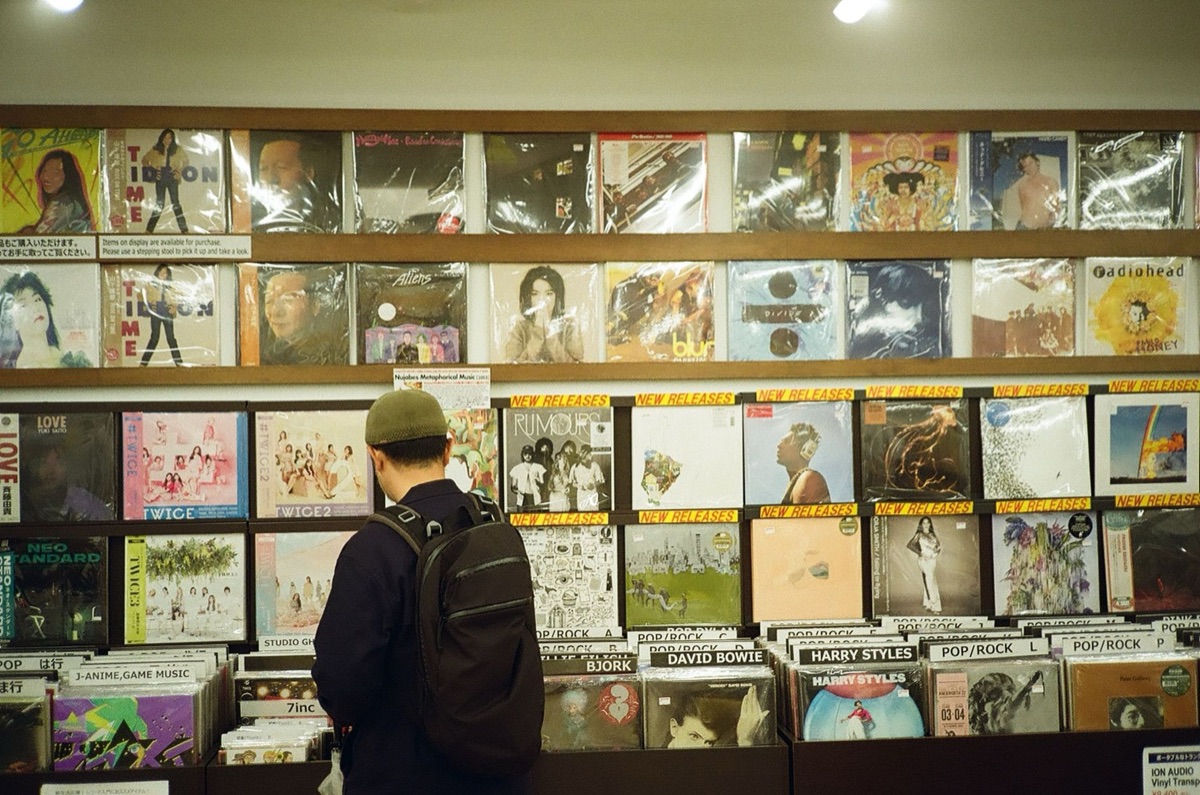
How musical experimentation meets high-stakes performance
In the middle of a silent rehearsal hall, a dancer's heavy breathing fills the air as her hand brushes against a cold, metal handrail.
In a quiet, dimly lit practice room at 3:00 AM, the only sound is the rhythmic squeak of sneakers against a polished floor and the heavy breathing of exhausted dancers.
Mirrors are fogged with condensation, reflecting a group of artists pushing their bodies to the absolute limit to perfect a single three-second transition.
The core of K-pop's power lies in this marriage of sonic experimentation and visual mastery. Groups don't just sing; they deliver a visual narrative. By incorporating diverse genres, artists keep their sound fresh, preventing the music from feeling stagnant.
This constant reinvention ensures that the "spectacle" remains high-quality, which is essential for maintaining global interest.
This level of polish creates a sense of awe. When a performance is this meticulously crafted, it transcends language barriers, allowing a fan in New York or Nairobi to understand the emotion and energy without needing a translation.
However, this level of perfection often comes at a hidden cost.
How did this digital fandom grow so explosively? A teenager sits on a crowded subway in London, eyes glued to a smartphone, tapping rapidly to join a global digital conversation. While they might be thousands of miles away from the artists, the feeling of community in the comments section makes them feel like they are right there in the front row.
The numbers behind this phenomenon are staggering. According to the International Federation of the Phonographic Industry (IFPI), South Korea was recognized as the 6th largest music market in the world by 2019.
This growth is not limited to any one continent, as digital platforms have leveled the playing field.
The scale of digital engagement is perhaps best seen through social media metrics. While specific corporate partnership data varies, the sheer volume of digital footprints is undeniable.
For example, in 2021, global digital engagement reached unprecedented heights, with specific hashtags related to the genre garnering billions of interactions.
This shows that the fandom is not just passive listening, but active, constant participation.
Regional growth also highlights the genre's reach. In 2022, Kenya experienced a 140% increase in K-pop streams, a growth rate second only to South Africa in that region. During this surge, artists like BTS, Stray Kids, and Blackpink were among the most streamed.
| Feature | Traditional Music Consumption | K-pop Style Consumption |
|---|---|---|
| Primary Medium | CDs, Radio, Television | Streaming, Social Media, Short-form Video |
| Fandom Activity | Local fan clubs, physical gatherings | Global digital communities, viral challenges |
| Content Style | Passive listening to finished tracks | Interactive, participatory, real-time engagement |
But how does a fan actually navigate this massive, fast-moving digital ecosystem?
How to engage with a global fandom
When I first started following global music trends, I felt overwhelmed by the sheer speed of social media. I remember sitting at my kitchen table at 11:00 PM, trying to understand a new dance challenge that had suddenly gone viral. It felt like a full-time job just to keep up.
To understand how this community functions, you can follow this general cycle of engagement:
- Discovery: A short-form video or a high-budget music video introduces a new sound or visual style to a global audience.
- Interaction: Fans engage through social media challenges, translating lyrics, and participating in digital voting or streaming parties.
- Community Building: Fans form digital sub-groups, creating a sense of belonging that transcends geographical borders.
- Content Consumption: The cycle repeats as fans move from short clips to full-length albums, concerts, and documentary content.
This cycle of digital virality creates a feedback loop that keeps the genre at the forefront of pop culture.
The role of technology and media platforms
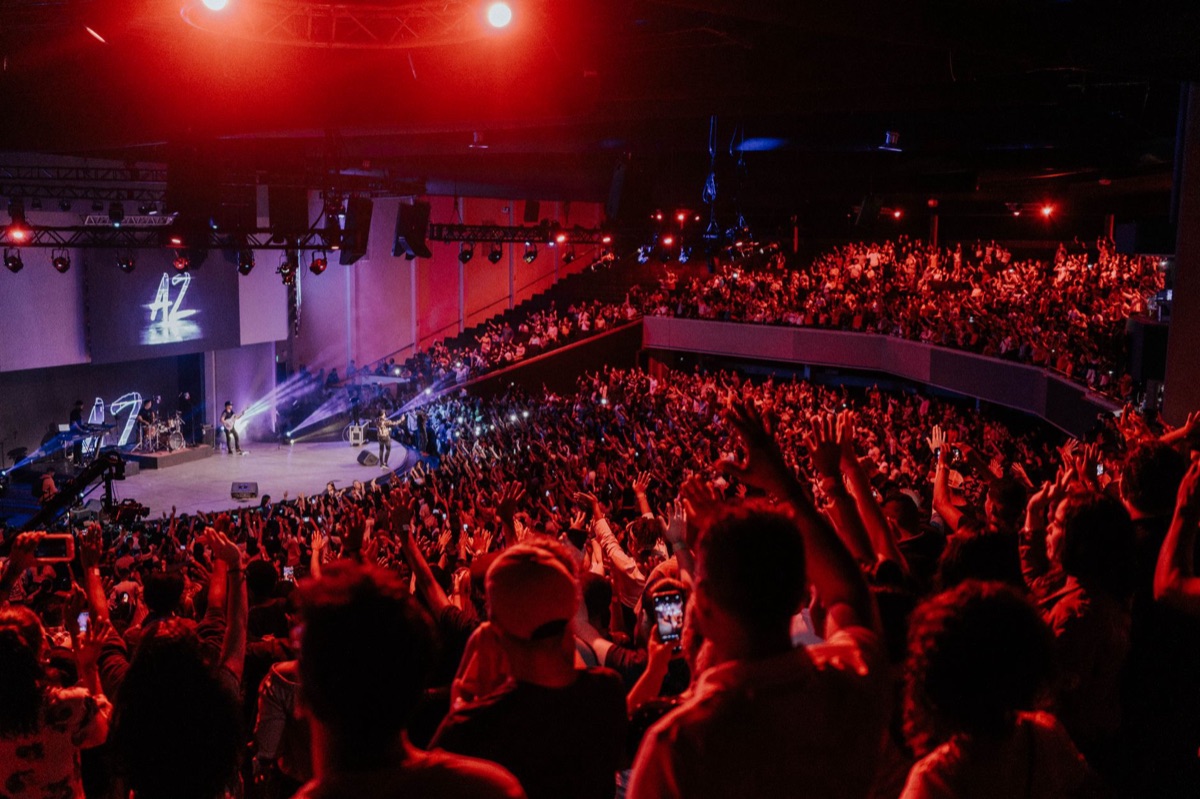
A new smartphone is unboxed, its screen bright and clear, signaling a new way to access a world of content. As digital storage and high-speed internet became ubiquitous, the way music travels changed forever, moving from physical discs to instant, global access.
Technology has been the primary vehicle for K-pop's rapid expansion. Between 2010 and 2014, the accessibility of digital storage, such as USB drives and SD cards, jumped from 26% to 81%.
Many of these devices were used to share music and much-loved dramas, facilitating an early wave of global interest.
Today, streaming platforms and short-form video apps like TikTok act as accelerators. A thirty-second dance challenge can spark a global trend overnight, driving millions of listeners to discover a new artist.
This cycle of digital virality creates a feedback loop that keeps the genre at the forefront of pop culture.
But what happens when the digital spotlight becomes too bright to bear?
Sustainability and the weight of the spotlight
An artist stands alone in a quiet dressing room after a massive concert, the muffled sounds of the cleanup crew echoing in the hallway. The glitter on their face catches the light, but their expression is one of quiet exhaustion, reflecting the immense pressure of maintaining a perfect image.
The success of the industry is built on a foundation of rigorous training and extreme discipline. While this produces world-class talent, it also raises questions about long-term sustainability.
For the industry to thrive, there must be a balance between high-performance standards and the mental well-being of the artists.
As the industry matures, the focus is shifting toward creative freedom and ethical responsibility. The goal is to transition from "idols" to sustainable, long-term artists who can maintain their relevance through artistic integrity rather than just visual spectacle.
It is important to note that these industry shifts do not apply to every artist equally. While major global acts have the resources to manage their well-being, smaller or newer artists often face much harsher pressures with fewer safety nets.






Comments 0