Ainu culture modern meaning: Guide to living heritage today
"Inherited culture is still evolving."
Understanding Ainu culture modern meaning involves recognizing how indigenous traditions adapt to a changing world while maintaining deep-rooted connections to history.
This exploration looks at the intersection of heritage and contemporary lifestyle, focusing on how identity persists through expression.
Key takeaways include the importance of cultural evolution, the role of traditional expression in modern society, and the ongoing efforts to preserve unique histories.
How does Ainu culture modern meaning manifest in today's world?
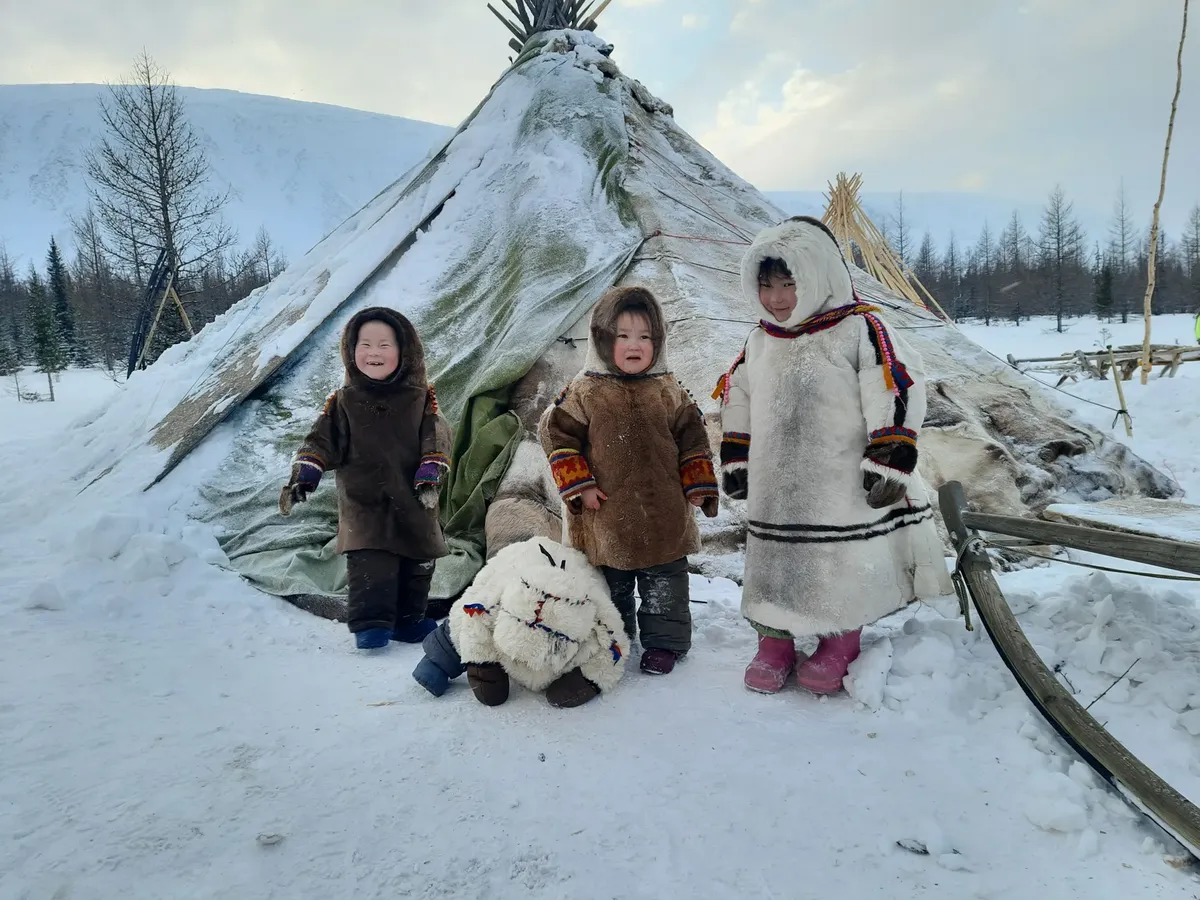
A craftsman carefully carves a traditional pattern into a piece of wood, feeling the grain of the material under his steady hand. This act of creation demonstrates how an Ainu culture modern meaning is not a static relic of the past but a living, breathing process of expression.
The continuity of tradition shows that culture remains a dynamic force. It is not merely about preserving old objects but about how those objects continue to hold significance in a contemporary context.
This evolution allows communities to bridge the gap between ancestral wisdom and the realities of the current era.
The presence of such traditions provides a sense of continuity in a rapidly changing global landscape. By engaging with these practices, individuals maintain a link to their heritage while participating in the modern world. This balance is essential for the survival of unique cultural identities.
Contemporary Ainu culture manifests through a blend of traditional craftsmanship and modern artistic innovation, ensuring that ancestral motifs remain vibrant in contemporary design.
What is the role of Ainu tradition today?
A group of visitors watches as a local artisan demonstrates a complex weaving technique, the rhythmic sound of the loom filling the quiet room. This engagement shows that Ainu tradition today is an active dialogue between generations.
The survival of these traditions depends on their ability to remain relevant to younger generations. When traditional skills are passed down, they do not just become museum pieces; they become tools for identity and community cohesion.
This ongoing practice ensures that the essence of the culture remains intact.
Modernity does not necessarily erase tradition; instead, it provides new platforms for its expression. Through various media and educational efforts, these traditions find new ways to be shared and understood. This adaptability is a strength that allows heritage to endure.
Tradition serves as a foundational pillar for community cohesion, providing a sense of continuity amidst rapid societal changes.
How does the Ainu community modern role influence local identity?
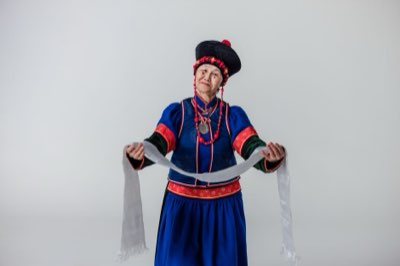
An elder speaks to a group of young people, her voice carrying the weight of stories passed down through centuries of seasonal changes. This interaction highlights how the Ainu community modern role serves as a cornerstone for local identity.
Communities that hold onto their unique roots often find strength in their distinctiveness. This identity provides a foundation for social structures and community bonds. It offers a unique perspective that enriches the broader social fabric.
The role of the community is to act as a guardian of knowledge. By maintaining these roles, the community ensures that its history is not lost to the pressures of homogenization. This stewardship is a vital component of cultural health.
The community's active engagement in social and political spheres fosters a more inclusive regional identity that recognizes indigenous presence within the broader Japanese landscape.
How is Ainu language relevance maintained in a globalized society?
A student sits quietly in a library, tracing the unique characters of a traditional script with a focused gaze. This moment of study reflects how Ainu language relevance remains a critical factor in preserving cultural nuances.
Language is the vessel for much of a culture's specific worldview and historical memory. When a language is spoken or studied, the unique concepts and values it contains are kept alive. This linguistic connection is fundamental to understanding the depth of a people's history.
Efforts to revitalize language help to bridge generational divides. As more people engage with their ancestral tongue, the connection to the past becomes more tangible. This revitalization is a powerful tool for cultural resilience.
Language relevance is maintained through digital archiving, community-led immersion programs, and the integration of oral traditions into modern educational tools.
What are the implications of Ainu history today for global heritage?
A researcher carefully documents an archaeological site, noting how the layers of soil tell a story of long-past migrations. This work connects the past to the present, showing how Ainu history today informs our understanding of human movement and settlement.
Understanding history allows societies to recognize the complexities of their origins. It provides a context for current social dynamics and helps to prevent the erasure of diverse narratives. A deep understanding of history is essential for a well-rounded global perspective.
The study of history also fosters respect for the diverse paths taken by different peoples. It reminds us that the present is built upon a foundation of many different stories. This awareness is crucial for building a more inclusive future.
The history of the Ainu people offers a profound case study for global heritage, highlighting the importance of indigenous rights and the preservation of unique cultural lineages in an interconnected world.
How can we observe Ainu identity today through cultural expression?
An artist selects a specific pigment, carefully mixing it to achieve the exact shade required for a traditional painting. This deliberate action shows how we can observe Ainu identity today through the deliberate choices made in cultural expression.

Expression serves as a visible sign of an enduring identity. Whether through art, music, or ritual, these expressions provide a way for a community to project its values and history to the world. They are the outward manifestations of internal beliefs.
These expressions are not just for show; they are vital for the internal health of the culture. They provide a way for individuals to express their belonging and to affirm their place in the world. This visibility is key to maintaining a distinct identity.
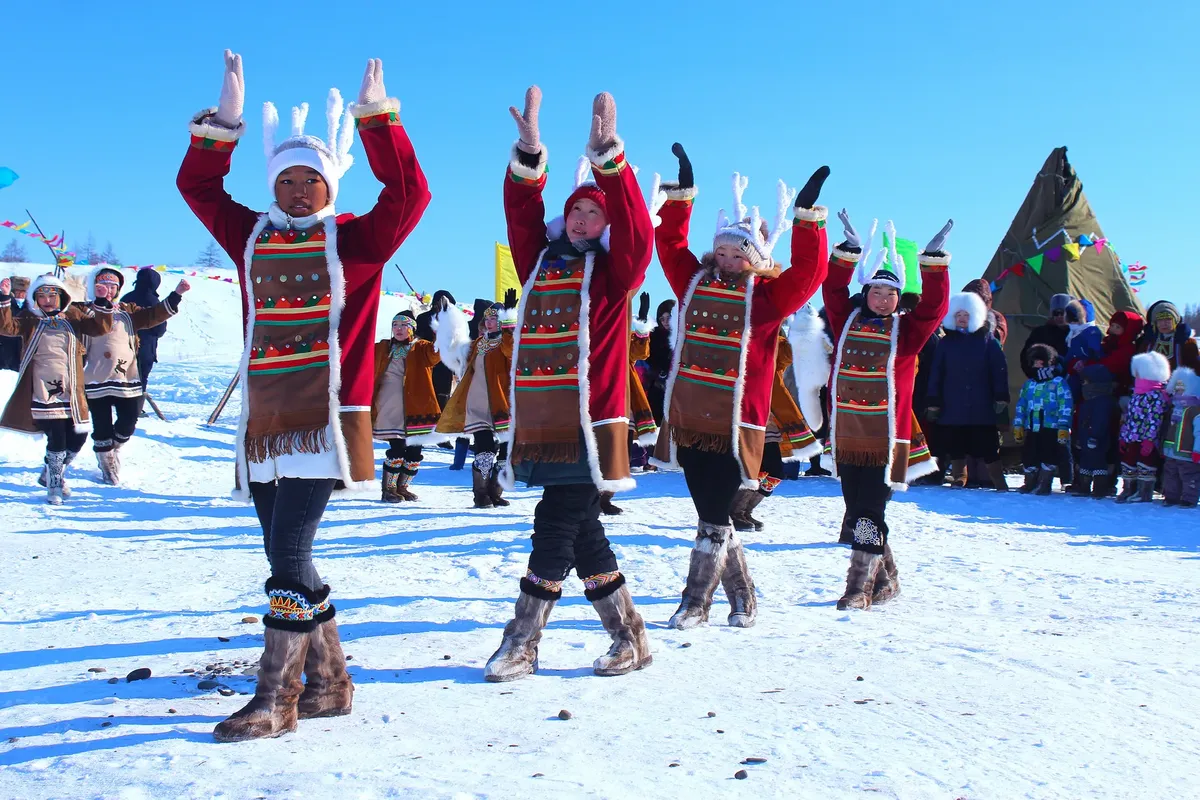
Observing Ainu identity involves looking at several layers of expression: 1. The revitalization of traditional patterns in modern textiles. 2. The performance of ritual dances in community festivals. 3. The integration of oral storytelling into contemporary literature.
Related
- Ainu culture historical roots: 23,782 people shaped history
- 99% Preservation: Ainu Wisdom of the Northern Wilderness
How does the relationship between inherited culture and modernity function?
The integration of inherited culture into modern life demonstrates a necessary symbiosis between the past and the present. This relationship requires both acknowledgment of ancestral roots and adaptation to contemporary realities.
The successful navigation of this balance allows the culture to remain vibrant rather than becoming a museum exhibit.
The ongoing dialogue between tradition and modernity is not a conflict but a necessary process of refinement. It is through this interaction that the culture proves its resilience and its capacity for growth. This dynamic interplay is what sustains the living aspect of the inherited culture.
What is the function of this cultural negotiation?
The function of this cultural negotiation is to ensure continuity while allowing for necessary change. It allows the community to honor its origins while simultaneously addressing the challenges of the modern era. This negotiation secures the future viability of the inherited culture.
The ability to negotiate between old forms and new contexts prevents stagnation. Instead, it allows the culture to absorb new influences while filtering them through its deep-seated values. This selective absorption is key to cultural endurance.
The successful negotiation affirms the living quality of the inherited culture. It proves that the traditions are not rigid dogma but living frameworks capable of adaptation. This flexibility is a hallmark of enduring traditions.
Wikipedia: Inuit Based on the retained excerpt mentioning Alaska Native Language Center: In 2011, Lawrence Kaplan of the Alaska Native Language Center at the University of Alaska Fairbanks wrote that Inuit was not generally accepted as a term for the Yupik, and Eskimo was often used as the term that applied to the Yupik, Iñupiat, and Inuit.





Comments 0